Unmanned Aerial Vehicles
This Tools & Industrial category covers unmanned aerial vehicles and related gear—commercial drones, FPV kits, replacement parts, and inspection accessories—priced from budget to premium (avg $251). Listings include models and accessories from brands like DJI and FLYDrone among 21 indexed products with an average rating of 4.51
Top Products

FPVtosky RC 2 Protector Kit for DJI RC 2 Controller
FPVtosky
Budget
Hoodman 3 ft Weighted UAV Landing Pad
Hoodman
Mid-Range
Remote ID module for drones with strobe, buzzer and GPS tracker
Holy Stone
Mid-Range
DJI Avata 2 Intelligent Flight Battery
DJI
Premium
Original RC-N3 Remote Controller for DJI Mini 5 Pro and more
IMYHOO
Premium
FPVtosky Air 3S 5-IN-1 Accessories Bundle for DJI Air 3S/Air 3
FPVtosky
Mid-Range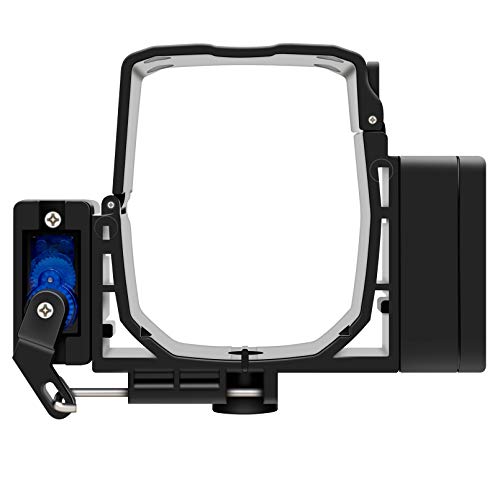
Payload Airdrop Release Device for DJI Air 2S & Mavic Air 2
Hanatora
Budget
T29 Drone with Camera for Kids - Foldable Mini Drone
FERIETELF
Budget
Hoodman 5 ft Weighted UAV Drone Landing Pad for Inspire series
Hoodman
Premium
BRDRC Airdrop Payload System for DJI Mini / Mavic 3 Pro
BRDRC
Mid-Range
Universally Drone Airdrop System for Mavic/Drone Series
XTnueotr
Mid-Range
DJI Air 3 payload airdrop system for wedding and rescue
HENWAFX
Mid-Range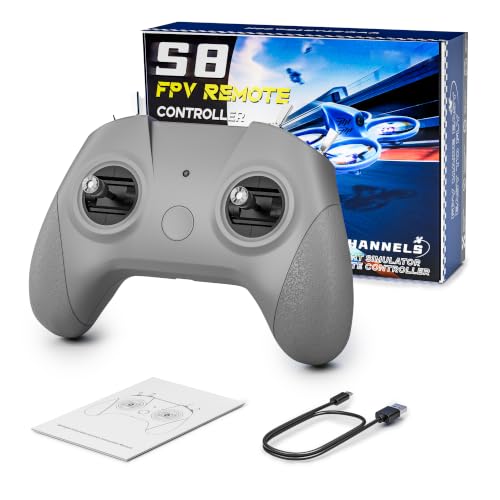
FLYDrone S8 Pro Drone Simulator Controller (Mode 2) for FPV Training
FLYDrone
Mid-Range
S8 Drone Simulator Controller for FPV Training (Mode 2) - 8 Channel Metal Joystick
FLYDrone
Mid-Range
govogorc F180 drone with 4K camera, 22-min flight
govogorc
Premium
Drone payload release device for various drones with 750g capacity
Aojudic
Mid-Range
Original RC-N3 Remote Controller for DJI Mini 5 Pro and more
INSYOO
Premium
DJI Cellular Dongle 2 for Air 3, Mini 4 Pro, Air 3S, Matrice 4T/4E
DJI
Premium
CADDXFPV Avatar Pro Kit Air Unit Pro for FPV Drone
CADDXFPV
Premium
STARDRONE S8 RC Flight Simulator Controller (Mode 2)
STARDRONE
Mid-Range
DJI Mavic 4 Pro Fly More Combo with DJI RC 2
DJI
PremiumRoundups
Frequently Asked Questions
How do I choose the right UAV for industrial or tools applications?
Match the UAV's payload capacity, flight time, and sensor compatibility to your task requirements (e.g., carrying cameras, LiDAR or spray systems), prioritize stable flight control and GPS/RTK for precision, and consider durability and IP rating for harsh environments
What price range should I expect for industrial-grade UAVs and accessories?
Entry-level tools and inspection drones typically start in the low hundreds, while more capable platforms, sensors, and industrial accessories range from several hundred to multiple thousands of dollars; accessories like batteries, cases, and controllers add recurring costs
Which features are most important for inspection, mapping, or surveying tasks?
Key features include high-resolution cameras or compatible sensors, GNSS/RTK support for accurate geolocation, long flight time or hot-swappable batteries, waypoint/mission planning, and reliable data-link range and bandwidth for real-time telemetry
What certifications or regulations should I consider before operating a UAV commercially?
Check local aviation authority rules for commercial operations, which commonly require pilot certification, aircraft registration, operational permissions or waivers for beyond-visual-line-of-sight (BVLOS) or night flights, and compliance with airspace restrictions and privacy laws
How do I maintain UAVs to ensure safe, reliable operation?
Follow manufacturer maintenance schedules: inspect airframe and propellers before each flight, keep firmware updated, cycle and store batteries per guidelines, calibrate sensors periodically, and log flights and repairs to track wear and recurring issues
What are common limitations and risks to plan for when using UAVs in industrial settings?
Plan for limited flight time, susceptibility to adverse weather (wind, rain), radio interference, payload weight limits, and potential regulatory restrictions; establish preflight checklists, contingency plans for lost link or low battery, and insurance where appropriate
How do I evaluate compatibility between UAVs and third-party sensors or payloads?
Confirm the UAV's payload weight and power delivery capacity, available mounting interfaces and communication protocols, software/SDK support for integration, and whether the flight controller supports the required sensor data streams and geotagging