Utility Pumps
Utility pumps for dewatering, transfer, and circulation tasks across jobsite, home, and workshop settings, including submersible and utility styles. The category averages (price varies) (range $35–$190) with about 42 products and brands like TRUPOW and Little Giant represented
Top Products

GasTapper Siphon Pump with 8" bulb and hose
GasTapper
Budget
MEDAS Portable Water Transfer Pump 330 GPH 115V
MEDAS
Mid-Range
Aquastrong 1 HP Submersible Sump Pump 4500 GPH, 10ft cord
AQUASTRONG
Mid-Range
Aquastrong 1/2 HP Submersible Utility Pump with Float Switch
AQUASTRONG
Mid-Range
Aquastrong 1/2 HP Submersible Sump Pump, 3159 GPH, 10ft cord
AQUASTRONG
Mid-Range
King Innovation 24 in. Utility Hand Pump with 36 in. Hose
King Innovation
Mid-Range
Water transfer pump 110v 1/10 hp portable
TRUPOW
Mid-Range
1/10HP 330GPH Portable Water Transfer Pump with Hose Kit
TRUPOW
Mid-Range
Water Transfer Pump 115V 330GPH with 6' Hose Kit
EXTRAUP
Mid-Range
King Innovation 36 in. Siphon King Utility Hand Pump
King Innovation
Mid-Range
FLUENTPOWER 1/4 HP Utility Pump, 1900 GPH, submersible
FLUENTPOWER
Mid-Range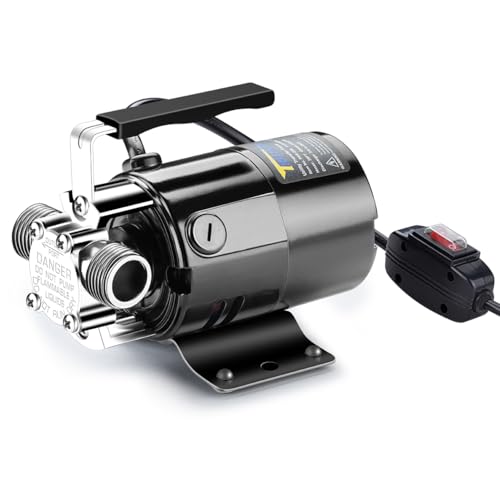
1/10HP 330GPH Mini Portable Utility Water Pump
TRUPOW
Mid-Range
18V Cordless Portable Water Transfer Pump
TRUPOW
Mid-Range
115V Utility Rain Barrel Water Pump with Hose Kit
TecHome
Mid-Range
Submersible Sump Pump with 1/2HP motor, 2300GPH, 23ft lift
RainBro
Mid-Range
FOTING 1/2HP Submersible Pump with Stainless Steel Base
FOTING
Mid-Range
1/10HP 330GPH Portable Sump Transfer Pump with On/Off Switch
TRUPOW
Mid-Range
Water transfer pump 115V 330 GPH portable utility pump
SumpMarine
Mid-Range
Tankless Water Heater Descaler Pump Kit (2 gal) by Superior Pump
Superior Pump
Premium
DC 12V 1/10HP Mini Portable Utility Water Pump with Hose Kit
TRUPOW
Mid-Range
Pump with Hose 115V 1/10 HP 330 GPH Transfer Pump
TecHome
Mid-Range
Utility Submersible Pump 1/4 HP 1600 GPH with 10-ft Cord
6699
Mid-Range
VEVOR 12V Water Transfer Pump, 360 GPH, 46 ft Lift, 1/10 HP
VEVOR
Mid-Range
Water Transfer Pump 115V 1/10 HP, 330 GPH, 3/4 in. ports
TecHome
Mid-RangeRoundups
Frequently Asked Questions
What types of utility pumps are available and which should I choose?
Common types include submersible pumps for dewatering sinks, basements, and tanks; pedestal or shallow-well pumps for moving water from low-depth sources; transfer or utility pumps for moving water between containers; and condensate pumps for HVAC. Choose based on the application (submerged vs. dry), required head (vertical lift), flow rate (GPH or GPM), and solids-handling capability
How do I size a utility pump for flow rate and head?
Determine the required flow (gallons per minute or hour) and the total head (the vertical distance from water source to discharge plus friction losses). Select a pump whose performance curve meets or exceeds your needed GPM at the calculated total head; manufacturers provide curves and charts to match pump output to head
What materials and features should I look for for durability and debris handling?
Look for pumps with corrosion-resistant materials (stainless steel, cast iron, or engineered plastics) and sealed motors for wet use. For dirty water, choose pumps specified for solids handling with larger impeller clearances, abrasion-resistant impellers, and integrated strainers or screens
How much should I expect to spend on a utility pump?
Utility pumps range widely: budget options are commonly available under $50 for simple transfer or small submersibles, while more robust or specialty pumps can cost several hundred dollars; averages for general-purpose utility pumps fall around $80
What maintenance is needed to keep a utility pump reliable?
Regularly inspect and clean intake screens and impellers, check seals and O-rings for wear, verify power cords and fittings for damage, and store pumps dry when not in use. Follow the manufacturer’s service intervals for lubrication or seal replacement and test performance periodically
Are there electrical or safety considerations I should know?
Ensure the pump’s voltage and amperage match your power supply, use GFCI-protected circuits for wet environments, follow grounding instructions, and avoid operating a submersible pump outside its rated immersion depth. Always disconnect power before servicing the pump
Can one pump handle multiple uses (sump pumping, draining pools, transfer)?
Some multi-purpose pumps are designed for general dewatering and transfer tasks, but performance varies by model—verify the pump’s rated flow, head, and solids handling for each intended use; specialized tasks like high-head sump pumping or handling large debris may require purpose-built pumps