Voltage Testers
Voltage testers for electricians and DIYers, including non-contact pens, multimeter-style testers, and proximity/voltage detectors used to check AC/DC presence and wiring. The 15 indexed products average 4.61 stars, span roughly $34–$145 (avg ~(price varies)), and include brands like KLEIN TOOLS and Fluke alongside generic and IDEAL offerings
Top Products

Klein Tools GFCI Outlet Tester + Voltage Detector Bundle
KLEIN TOOLS
Mid-Range
Power Probe 5V reference adapter for Power Probe Tek
Power Probe
Budget
Fluke 1AC II VoltAlert Non-Contact Voltage Tester
Fluke
Mid-Range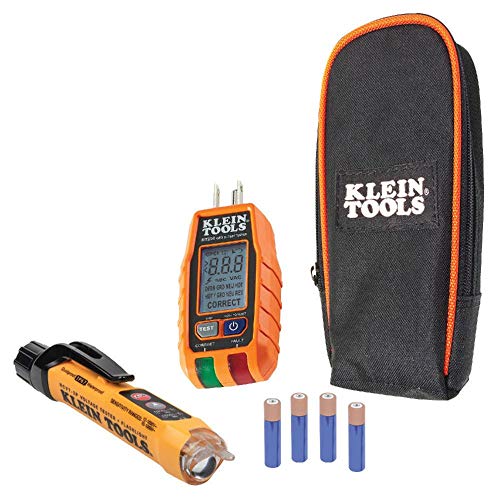
Klein Tools RT250KIT Non-Contact Voltage Tester & GFCI Receptacle Tester
KLEIN TOOLS
Mid-Range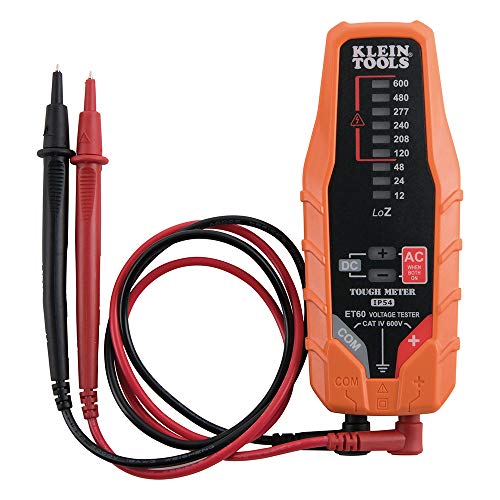
Klein Tools ET60 Voltage Tester (AC/DC, 12-600V) no batteries
KLEIN TOOLS
Budget
Klein Tools NCVT-6 Non-Contact Volt Tester with Laser Distance Meter
KLEIN TOOLS
Mid-Range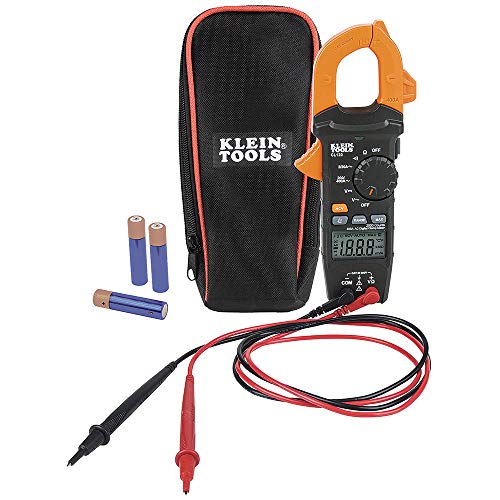
Klein Tools CL120 Digital Clamp Meter
KLEIN TOOLS
Mid-Range
IDEAL Vol-Test Voltage Tester CAT III 600V, yellow
Ideal Industries
Mid-Range
Klein Tools NCVT1P Voltage Tester & 80016 Breaker Finder Kit
KLEIN TOOLS
Mid-Range
Fluke LVD2-Volt Light Voltage Tester 90-600 V
Fluke
Mid-Range
FNIRSI USB Tester 4-28V LCD Voltage/Current Meter
FNIRSI
Mid-Range
Fluke T+PRO Electrical Tester
Fluke
Premium
IDEAL TightSight 400A 600V Digital Truerms Clamp Meter
IDEAL
Mid-Range
Electric Fence Tester and Fault Finder 15KV
M MINGYA
Mid-Range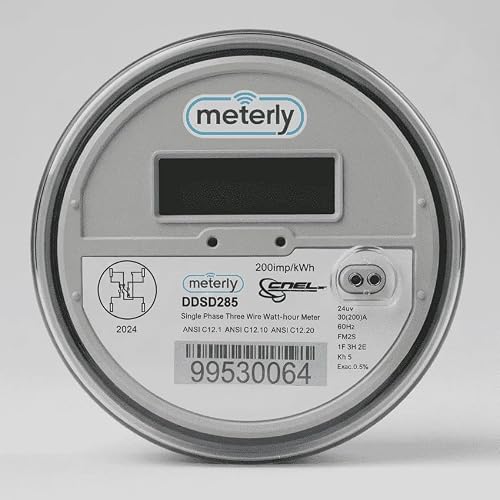
Itron Centron SSEM CL200 KWH Meter, Type C1S, 240V
Generic
Mid-RangeRoundups
Frequently Asked Questions
How do I choose the right type of voltage tester for my work?
Pick based on the voltage range you’ll test (low-voltage electronics vs. mains or industrial), required features (non-contact detection, multimeter functions, continuity, or clamp for current), safety rating (CAT II/III/IV and max voltage), and durability for the environment (insulated probes, water/dust resistance)
What safety ratings and standards should I look for?
Choose testers with a recognized measurement category (CAT II–CAT IV) and maximum voltage rating that exceed the highest circuit you’ll encounter, and look for IEC/EN 61010 or equivalent compliance and double insulation (Class II) markings on the device
Are non-contact voltage testers reliable for confirming power is off?
Non-contact testers are useful for quick presence checks but can give false positives or miss low-energy sources; for definitive verification use a contact voltage tester or multimeter rated for the circuit and follow a proper test procedure including testing the tester on a known live source first
How much should I expect to spend and what does price indicate?
Basic non-contact testers and simple voltage pens are typically under $50, while combination testers and true-RMS multimeter-style voltage testers range from about (price varies) to a few hundred dollars; higher prices usually reflect broader measurement functions, better safety ratings, and more durable build quality
What maintenance and calibration do voltage testers need?
Keep probes and insulation clean and undamaged, replace batteries regularly, perform the manufacturer’s functional check on a known live source before use, and follow the device manual for any recommended periodic calibration—many handheld testers do not require frequent lab calibration but critical test equipment should be calibrated per workplace policy
Which features matter for electricians vs. DIY users?
Electricians often need CAT III/IV ratings, true-RMS measurement, continuity, resistance and current options, and rugged housings, while DIY users may prefer simple non-contact detection, basic voltage range, and ease of use with lower-cost models
Can voltage testers measure both AC and DC, and how do I know?
Check the device specifications: many testers detect AC voltage only, while multimeter-style testers list both AC and DC voltage ranges and whether they report true-RMS for accurate AC readings on distorted waveforms