Wire Cutters
Wire cutters for cutting, trimming, and stripping electrical and general-purpose wire, available in pliers, diagonal, and insulated styles for trades and DIY. The category includes 31 indexed products, average rating 4.56, and mid-range pricing (about $33–$210, avg $62). Top brands represented include KLEIN TOOLS
Top Products

Klein Tools 11-in-1 Wire Cutter & Stripper Multi-Bit
KLEIN TOOLS
Mid-Range
Journeyman Cable Cutter, Made in USA, 4/0 aluminum and 2/0 copper
KLEIN TOOLS
Mid-Range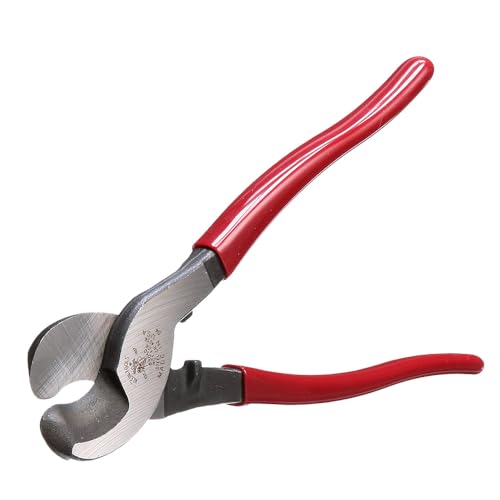
Klein Tools 63050 Cable Cutter
KLEIN TOOLS
Budget
BOOSDEN 6.5 inch wire cutters, flush cutters, spring-loaded
BOOSDEN
Mid-Range
Park Tool CN-10 Cable and Housing Cutter
Park Tool
Mid-Range
HKS ratchet cable wire cutter for copper and aluminum up to 300mm2
HKS
Budget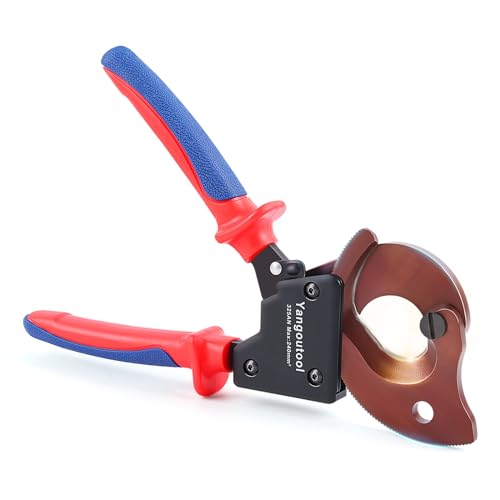
Yangoutool Ratchet Cable Cutter 240mm2 for copper & aluminum
Yangoutool
Budget
Knoweasy 325AN Cable Cutter with Ratchet, 240mm2 capacity
knoweasy
Budget
Klein Tools Armored and BX Cable Cutter
Klein Tools
Mid-Range
Knoweasy Cable Cutter and Ratchet Wire Cutter for up to 400mm2
Knoweasy Electric CO.,lTD
Mid-Range
KNIPEX Electronics Super Knips INOX, 5-Inch
KNIPEX
Mid-Range
Klein Tools Journeyman High-Leverage Cable Cutter
KLEIN TOOLS
Mid-Range
Twidec Wire Rope Crimping Tool Kit
Twidec
Mid-Range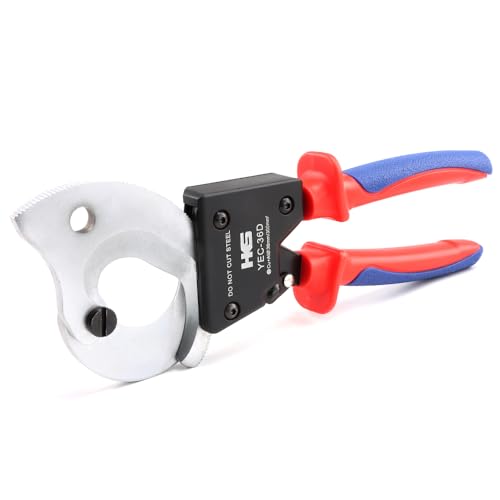
HKS Ratchet Cable Cutter YEC-36D 300mm2, Chrome-plated VER
HKS
Mid-Range
Knoweasy heavy-duty ratcheting cable cutter J40
knoweasy
Budget
HKS Ratchet Cable Wire Cutter, 400mm2 capacity
HKS
Mid-Range
Jonard Tools JIC-755 Hardline COAX & Fiber Cable Cutter
Jonard Tools
Budget
Knoweasy cable cutter and ratchet wire cutter
Knoweasy Electric CO.,lTD
Mid-Range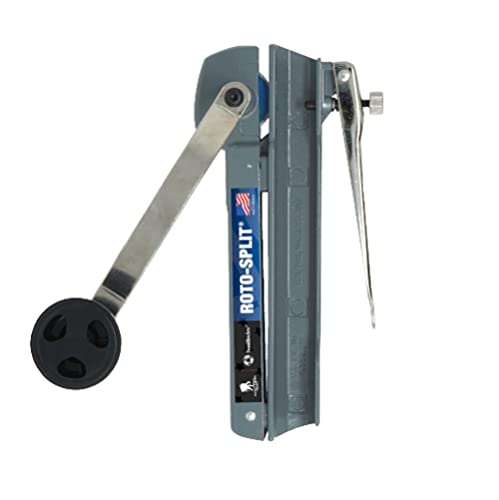
Southwire armored cable cutter
Southwire
Mid-Range
Wire Cutters 6" dykes cutter with spring loaded red handles
HOUSERAN
Mid-Range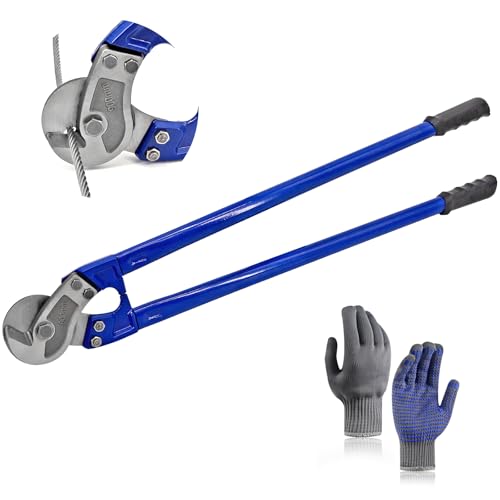
36 in heavy-duty wire rope cutter with ergonomic handle
SPENDINS
Mid-Range
FOD-2000 Fiber Optic Drop Cable Slitter (0.250" flat) – blue
Jonard Tools
Mid-Range
4 in 1 hot wire foam cutter kit
RONGTER
Mid-Range
Heavy duty wire rope cutter, 42in with ergonomic handle
SPENDINS
Mid-RangeRoundups
Frequently Asked Questions
How do I choose the right type of wire cutter for my project?
Select by wire type and task: diagonal cutters for general-purpose cutting of soft copper and insulated wires, side-cutting pliers for trimming and holding, and heavy-duty bolt cutters or cable cutters for thick or steel cables; match jaw hardness and cutting capacity to the conductor material and diameter
What cutting capacity and jaw material specifications should I look for?
Check the maximum cutting diameter (often listed in mm or AWG) and choose hardened tool steel or induction-hardened cutting edges for clean cuts on copper/steel; softer edge materials are fine for light-gauge electronics work but wear faster on hardened wire
Are insulated handles necessary and what insulation ratings matter?
Insulated handles protect against shocks but must be rated for electrical work; look for tools rated to 1000 V or meeting relevant IEC/EN standards if you will work on live circuits, otherwise non-insulated ergonomic handles suffice for low-voltage and mechanical tasks
How much should I expect to spend and are higher-priced cutters worth it?
Wire cutters range from budget options under $30 to professional tools over $100; higher-priced models typically offer better edge retention, ergonomic grips, and durability, which can be cost-effective for frequent or heavy-duty use
How do I maintain wire cutters to extend their lifespan?
Keep cutting edges clean and free of nicks, lubricate pivot points periodically, sharpen or replace blades when dull, and store in a dry place to prevent corrosion; avoid cutting materials above the tool's rated capacity to prevent damage
What safety practices should I follow when using wire cutters?
Wear eye protection to guard against flying wire fragments, secure the workpiece, cut at right angles for cleaner cuts, and avoid cutting live electrical conductors unless using insulated, rated tools and following voltage safety procedures
How do I know when to replace a wire cutter instead of repairing it?
Replace the tool if cutting edges are chipped or deformed beyond sharpening, if the pivot is seized or permanently loose, or if insulation is damaged; replace rather than repair when cost or safety risks outweigh refurbishment