Wire Strippers
Wire strippers for electrical and electronic work, including manual and ratcheting models, coax/insulation strippers, and combo crimping tools. The category spans budget through premium options (44 products, average rating 4.54) with brands like KLEIN TOOLS among the top names
Top Products
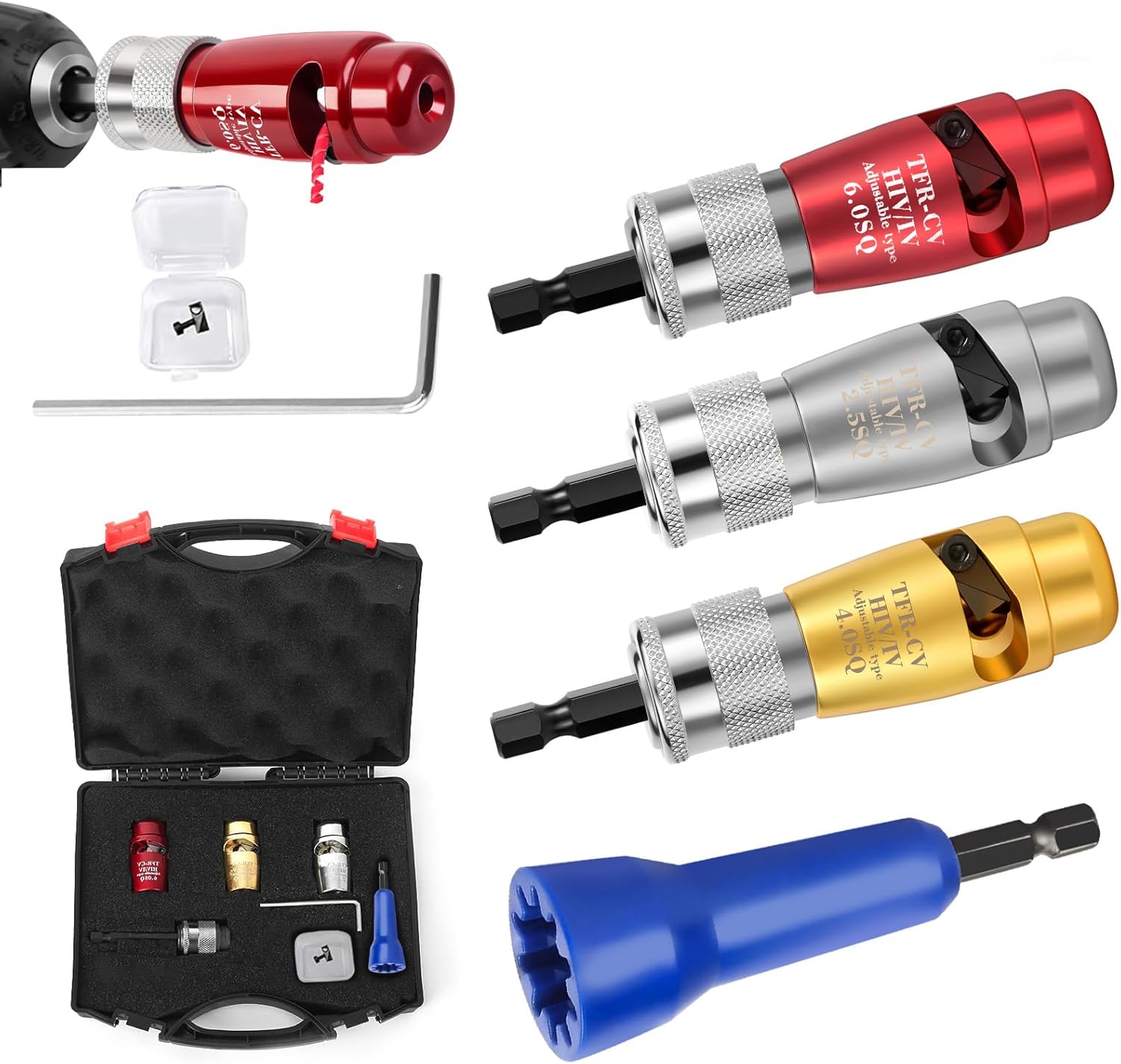
Wire Stripper for Drill - 8-Piece Electrician Tool Kit
ULTRICS
Budget
Klein Tools J215-8CR Multitool Pliers
KLEIN TOOLS
Mid-Range
Wire Stripper Drill Attachment Kit
KREG
Mid-Range
Klein Tools 80013 Wire Stripper / Ratcheting Crimper 2-Piece Kit
KLEIN TOOLS
Mid-Range
Klein Tools Klein-Kurve Wire Cutters
KLEIN TOOLS
Budget
Klein Tools 2005N Wire Cutter, Crimp & Strip Tool
KLEIN TOOLS
Mid-Range
Manual wire stripper machine with adjustable feed hole
CREWORKS
Budget
KNIPEX 13 71 8 Forged Wire Stripper, 8-Inch
KNIPEX
Mid-Range
Klein-Kurve Wire Cutters: Heavy Duty Wire Stripping Tool
KLEIN TOOLS
Budget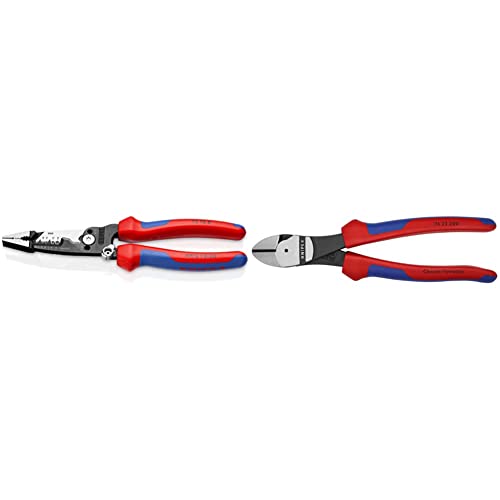
KNIPEX High Leverage Angled Diagonal Cutter and Wire Stripper
KNIPEX
Mid-Range
KNIPEX Long Nose Pliers and Wire Stripper Set
KNIPEX
Mid-Range
Wire stripper twister tool for drill, 8-in-1 professional electrician tool
Mozeyerh
Budget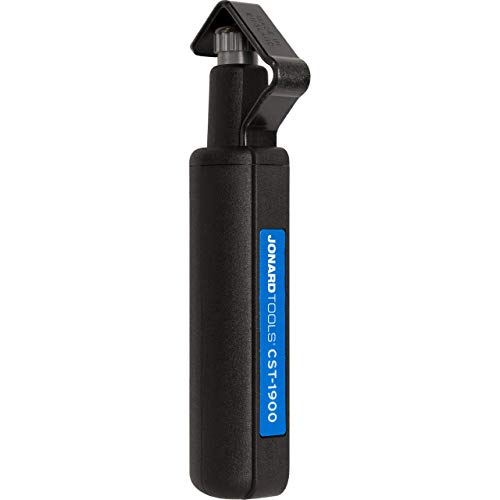
Jonard Tools CST-1900 Round Cable Stripper
Jonard Tools
Mid-Range
Klein Tools Wire Stripper / Cutter / Crimper Tool, USA
KLEIN TOOLS
Budget
Manual Wire Stripping Machine for Copper Wire 0.06-1 in
Hizmivos
Budget
Southwire SNM1214HH-US ROMEX BOXJaw Wire Stripper
Southwire
Budget
VEVOR manual wire stripping machine, 0.06-1 in copper stripper
VEVOR
Mid-Range
Klein Tools Large Cable Stripper 2/0-250 MCM
KLEIN TOOLS
Mid-Range
8-in-1 drill wire stripper tool set, 8pcs
Mriykio
Mid-Range
Manual Wire Stripping Machine for 0.06-1in wires
EXKRAEFT
Budget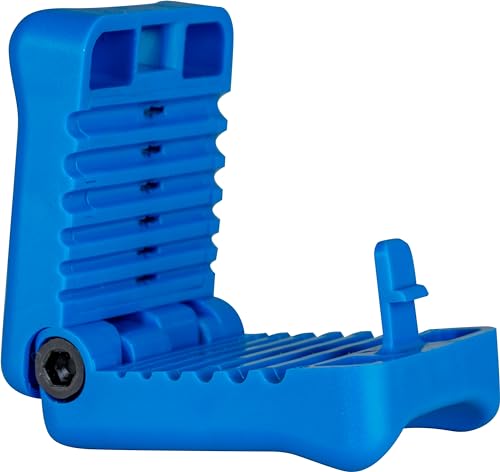
Jonard Tools MS-6 Mid Span Fiber Optic Cable Slitter (1.2-3.3 mm)
Jonard Tools
Mid-Range
VEVOR manual wire stripping machine with adjustable blade
VEVOR
Mid-Range
KNIPEX Dismantling Tool
KNIPEX
Budget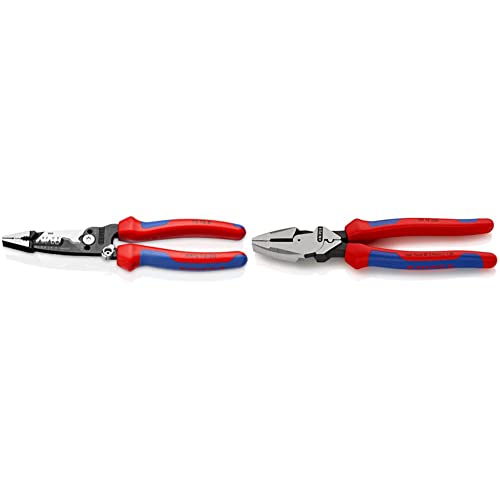
KNIPEX Wire Stripper & Lineman Pliers, 8–9.5 in
KNIPEX
PremiumRoundups
Frequently Asked Questions
How do I choose the right type of wire stripper for my projects?
Match the stripper type to the work: manual adjustable or automatic strippers are good for general electrical and household wire; ratcheting or self-adjusting models work well for repeated residential or automotive tasks; and precision or coaxial strippers are best for telecom, coax, and small-gauge electronics. Consider wire gauge range, insulation types, and whether you need crimping, cutting, or bolt-shearing functions in one tool
What wire gauges and insulation materials should I check before buying?
Look for a stripper that covers the wire gauges you use most often—common ranges are 10–24 AWG for household/automotive and smaller sizes for electronics—and verify compatibility with the insulation type (PVC, Teflon, rubber, or multi-layer coax). Manufacturers typically list the supported AWG range and special settings for stranded versus solid conductors
Are there durable build features that indicate better long-term value?
Choose tools with hardened cutting blades or replaceable blade inserts, forged or drop-forged jaws, corrosion-resistant finishes, and comfortable insulated grips. A solid ratcheting mechanism and clearly marked gauge stops also improve longevity and consistent stripping performance
How much should I expect to spend and what does price typically indicate?
Wire stripper prices vary widely: basic manual models can be found under $30, mid-range automatic or multi-function tools commonly fall between $30 and $150, and professional-grade or specialty strippers can be higher. Higher price often reflects durable materials, precise adjustability, additional functions, and brand reputation
Can one tool handle stripping, cutting, and crimping, or should I buy separate tools?
Many multi-function wire strippers combine stripping, cutting, and crimping for terminals and insulated connectors and are suitable for general electrical work, but dedicated precision cutters or crimpers may be preferable for heavy-duty, high-volume, or specialty tasks where accuracy and force are critical
What maintenance and safety practices should I follow?
Keep blades clean and periodically lubricate pivot points per the manufacturer's guidance, replace worn or damaged blades, and inspect insulation on handles for damage. For safety, disconnect power before stripping, wear eye protection when cutting, and use a stripper sized for the wire to avoid nicking or weakening the conductor
How do I verify a wire stripper works well before committing to a purchase?
Check specifications for AWG range, adjustable stop settings, and blade material; read user feedback focusing on durability and consistency; and, if possible, test the tool on the actual wire types and gauges you use to confirm clean insulation removal without conductor damage