Wood Filler
Wood filler products for repairing, leveling, and rebuilding wood surfaces, including epoxy, solvent- and water-based fillers, and application tools. This category covers 25 indexed items with an average rating of 4.44 and mid-range pricing (about $32–$121, avg $68). Notable brands include PC Products and 3M
Top Products

PC-Woody Wood Repair Epoxy Paste, 2-part tan (24 oz)
PC Products
Budget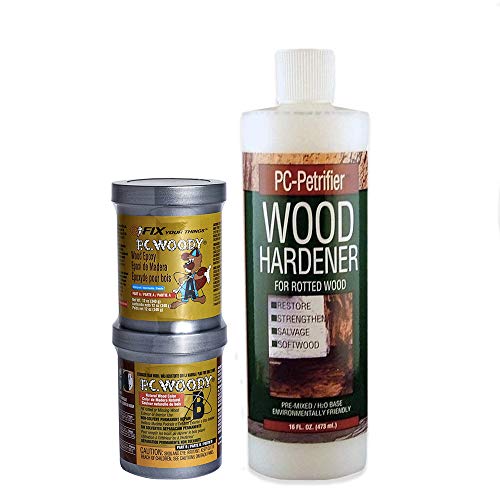
PC-Woody Wood Repair Epoxy Paste + Petrifier Wood Hardener Kit
PC Products
Budget
PC-Products Wood Repair Kit with PC-Woody Epoxy Paste and Gorilla Wood Filler
PC Products
Mid-Range
Gorilla All Purpose Wood Filler, White, 6 oz Tube (Pack of 6)
The Gorilla Glue Company
Budget
Goodfilla Walnut Wood Filler (1 gal) - stainable, tintable, sandable
Goodfilla
Mid-Range
PC-Products Wood Repair Epoxy Paste + Wood Hardener Kit
PC Products
Mid-Range
PC Products wood repair epoxy and hardeners kit
PC Products
Mid-Range
PC-Woody Wood Repair Epoxy Paste, Two-Part (48 oz) Tan
PC Products
Mid-Range
Aqua Coat Water-Based Clear Wood Grain Filler Gel, 32 oz
AquaCoat
Mid-Range
PC-Woody Wood Repair Epoxy Paste, Two-Part 96 oz, Tan
PC Products
Mid-Range
Water-based wood grain filler gel, fast-drying, low odor
AquaCoat
Mid-Range
Water-Based Wood & Grain Filler (Walnut) - 1 gal
Goodfilla
Mid-Range
Water-Based Wood Filler (Ash) - 1 gal by Goodfilla
Goodfilla
Mid-Range
Water-Based Wood & Grain Filler (Trowel Ready) Ebony 1 gal
Goodfilla
Mid-Range
PC-Woody & PC-Rot Terminator Epoxy Wood Repair System
PC Products
Mid-Range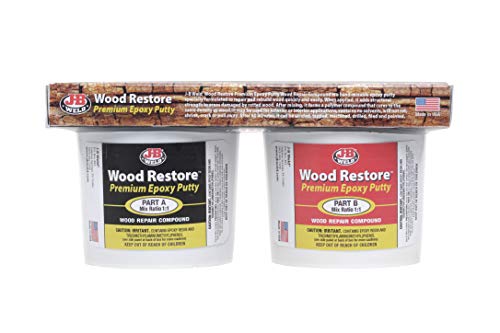
J-B Weld Wood Restore Premium Epoxy Putty Kit
J-B Weld
Mid-Range
Water-Based Wood Filler (Trowel Ready) for Maple/Birch/Pine
Goodfilla
Mid-Range
Water-Based Wood & Grain Filler (Trowel Ready) – Neutral/Base
Goodfilla
Mid-Range
Re-Rot 48-Oz Epoxy Wood Repair Kit
Epox-Sci
Mid-Range
3M Platinum Plus Filler 01131 – Lightweight, Tack Free
3M
Mid-Range
Abatron WoodEpox Kit - 2-Quart Structural Epoxy Adhesive Filler
Abatron
Mid-Range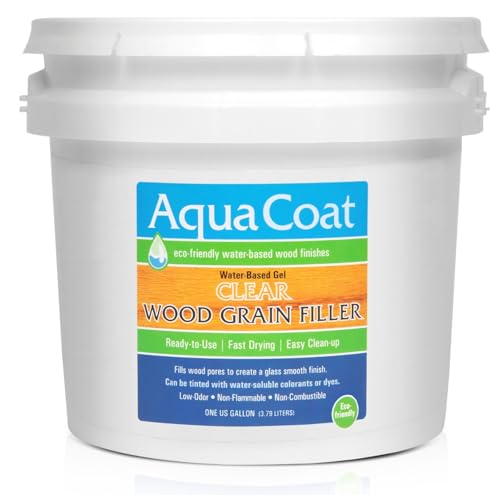
Aqua Coat Water-Based Clear Wood Grain Filler Gel
AquaCoat
Premium
Re-Rot 96 oz Epoxy Kit for wood repair
Epox-Sci
Mid-Range
Aqua Coat Water-Based White Wood Filler Gel 1 Gallon
AquaCoat
PremiumRoundups
Frequently Asked Questions
How do I choose the right type of wood filler for my project?
Match the filler to the substrate and use: water-based or acrylic fillers for interior, sanding, and painting; epoxy or polyurethane fillers for structural repairs, exterior use, or gaps needing strong adhesion; and stainable/wood-specific formulas when color-matching is important
What factors affect how much wood filler I need and how should I estimate quantity?
Estimate based on the total volume of gaps or holes to fill; small touch-ups use tubes or small tubs, larger repairs require multi-ounce or two-part epoxy kits. For many small defects, calculate area and average depth to convert to volume and choose a container slightly larger than that volume
How long does wood filler take to cure and how does that impact sanding or finishing?
Cure times vary: water- or solvent-based fillers often set in 30 minutes to a few hours and fully cure within 24 hours, while two-part epoxies can cure in 1–24 hours depending on formulation. Only sand or apply finish after the filler is fully cured to avoid gumminess or poor adhesion
Can I stain or paint over wood filler, and what preparation is needed?
Many fillers are paintable; only some are stainable—epoxies and pigmented wood fillers accept stain better. Sand smooth, clean dust, and use a stainable filler or apply a stain-sealing primer/coating for consistent color before finishing
What safety and storage considerations should I follow when using wood filler?
Use gloves and work in a ventilated area; follow label warnings for flammable solvents or isocyanates in some epoxies. Store unopened containers in a cool, dry place per manufacturer guidelines and use opened tubs within recommended time to avoid skinning or contamination
How do two-part epoxy fillers differ from premixed fillers in performance and ease of use?
Two-part epoxies offer superior strength, gap-filling, and moisture resistance but require mixing, quicker working time, and more skill; premixed or single-component fillers are easier to apply, more forgiving for small repairs, and often easier to sand
Are there budget-friendly options that still perform well for common repairs?
Yes; single-component water-based or solvent-based fillers are typically lower-cost and suitable for cosmetic repairs and small holes, while investing in a midrange epoxy or polyurethane product is preferable for structural or exterior work where durability matters