Wood Glue
Wood glue products for woodworking and repair, including yellow and PVA adhesives, epoxy variants, and specialty gel or high-strength formulations. Listings span budget through mid-range prices (avg $55) with brands like Titebond represented. Average customer rating is about 4.56 across 14 indexed products
Top Products

Titebond III Ultimate Wood Glue, 1-Gallon
Titebond
Budget
Titebond 5005 II Premium Wood Glue, 1 Gal
Titebond
Budget
Wood Glue Gallon for Furniture and Woodworking
Meuvcol
Budget
6 Pack Titebond Translucent Wood Glue
Titebond
Budget
Titebond Extend Wood Glue 16 oz (Pack of 2) – Interior, heat-resistant, longer assembly time
Titebond
Budget
Titebond Extend Wood Glue, slower-set, strong bond
Titebond
Budget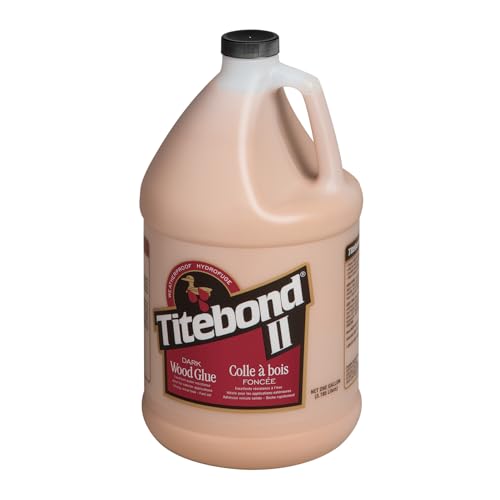
Titebond II Dark Wood Glue 16 oz
Titebond
Mid-Range
Titebond II Extend Wood Glue - Water-Resistant, Long Assembly Time
Titebond
Mid-Range
Thixo Thickened Epoxy Adhesive 185ml Cartridge
TotalBoat
Budget
Titebond Wood Glue with fast set and heat resistance
Titebond
Mid-Range
Multi-Surface Wood Glue, gallon size, crystal clear adhesive
Weldbond
Mid-Range
Loctite Power Grab Ultimate Crystal Clear Construction Adhesive (2.7 fl oz) - 6 Pack
Loctite
Mid-Range
Abatron Wood Restoration Kit (4 qt) epoxy resin hardener and filler
ABATRON
Premium
Loctite Power Grab Ultimate Crystal Clear Construction Adhesive (9 fl oz) 6 Pack
Loctite
Mid-RangeRoundups
Frequently Asked Questions
How do I choose the right type of wood glue for my project?
Choose by application: PVA (white/yellow) for general woodworking and indoor joints, waterproof or aliphatic resin variants for exterior or high-moisture use, epoxy for gap-filling and structural bonds, and polyurethane for bonding dissimilar materials or where moisture cure is acceptable
What strength and drying time should I expect from wood glues?
Drying time varies: many PVA glues set in 20–30 minutes with full strength in 24 hours; epoxies and polyurethanes may take several hours to cure depending on formulation and temperature. Strength is typically described as wood-to-wood shear strength—most woodworking glues will produce joints stronger than the wood when clamped and cured properly
Are there important surface preparation or clamping tips I should follow?
Surfaces should be clean, dry, and free of dust, oil, or old finish; rough-sawn or planed surfaces bond best. Apply an even coat, mate parts within the glue’s open time, and use clamps to maintain pressure until initial set—excess glue should be wiped away before it cures
Can I paint or finish over wood glue, and does it affect sanding?
Most wood glues can be sanded once fully cured; PVA dries to a slightly different color and may raise grain requiring light sanding before finishing. Test compatibility with your chosen finish—some waterproof glues and epoxies can resist stains or sealers differently than the wood
What safety and storage practices should I follow?
Use in a well-ventilated area, avoid skin and eye contact (wear gloves and eye protection if needed), and follow manufacturer instructions for ventilation and first aid. Store unopened containers in a cool, dry place; keep caps sealed to prevent water-based glues from skinning over and reactive adhesives from curing in the container
How do prices vary and what should I expect to pay for wood glue?
Prices range by type and size: basic PVA glues and small bottles are budget-friendly, while specialty epoxies, exterior-grade formulations, and professional-sized containers cost more; shoppers can expect options both under $50 and higher for larger or specialty packages