Wood Screws
This category covers wood screws for construction and woodworking—deck, drywall, and general-purpose screws in various lengths, coatings, and head types. 415 products are indexed with an average rating of 4.65 and price tiers from about $33 to $541, including brands such as Jake Sales
Top Products

Deck Plus 3 in Epoxy Coated Exterior Wood Screws (Torx) 5 lb Box
Deck Plus
Budget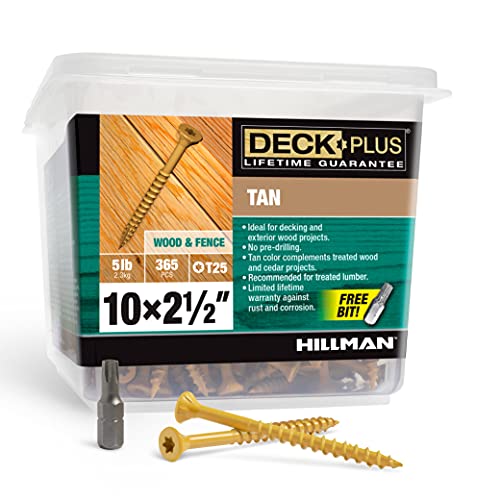
Deck Plus epoxy coated exterior wood screws 2-1/2 in Torx star drive
Deck Plus
Budget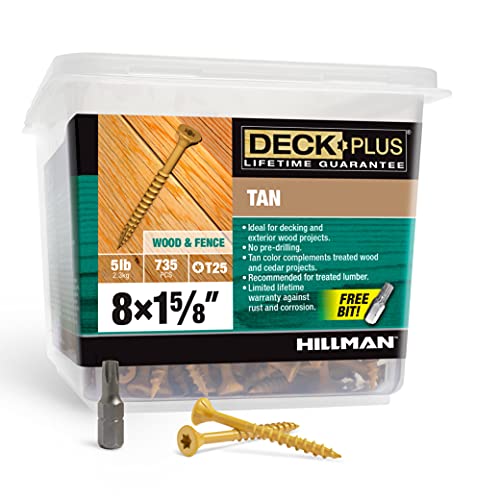
Deck Plus epoxy coated exterior wood screws 1-5/8" Torx
Deck Plus
Budget
Deck Plus 3 in Epoxy Coated Exterior Wood Screws #10 x 3
Deck Plus
Budget
Deck Plus Epoxy-Coated Exterior Wood Screws 2-1/2" Torx Star Drive
Hillman
Budget
Deck Plus exterior wood screws #8 x 2, 4-layer epoxy, Torx drive, green
The Hillman Group
Budget
Deck Plus Coated Exterior Wood Screws #8 x 2 (Torx) 5lb
Deck Plus
Budget
Deck Plus 2 in Epoxy Coated Exterior Deck Screw 8x2 Torx
Deck Plus
Budget
Deck screws 1-5/8 in epoxy-coated exterior wood screws
The Hillman Group
Budget
Deck Plus Epoxy Coated Exterior Wood and Fence Screws 3 in Torx
Deck Plus
Budget
Deck Plus epoxy coated exterior wood screws 1-5/8" Torx star drive
Deck Plus
Budget
Deck Plus Epoxy Coated Exterior Wood Screws 2-1/2 in Torx Star Drive
Deck Plus
Budget
Deck Plus Exterior Wood Screws 3-1/2" Torx Coarse Thread
Deck Plus
Budget
Deck Plus epoxy coated exterior wood screws - Torx star drive, brown, 3-1/2"
Hillman
Budget
Deck Plus 3-1/2 in Epoxy Coated Exterior Deck Screws
Deck Plus
Budget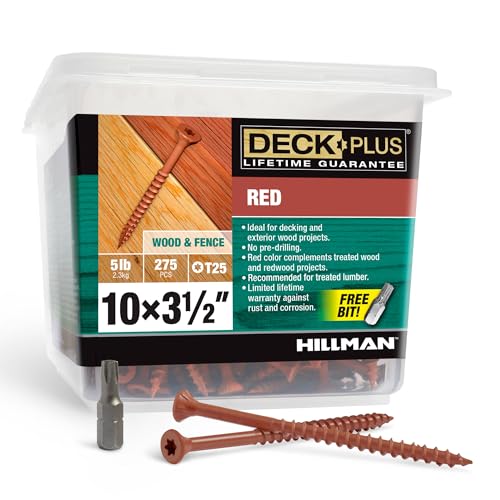
Deck Plus epoxy-coated exterior wood screws 3-1/2" star drive, #10 x 3-1/2"
Deck Plus
Budget
Deck Plus Epoxy Coated Exterior Wood Screws #8 x 2
Deck Plus
Budget
Deck Plus Epoxy Coated Exterior Wood Screws #10 x 3 (Torx) 5lb Box
Deck Plus
Mid-Range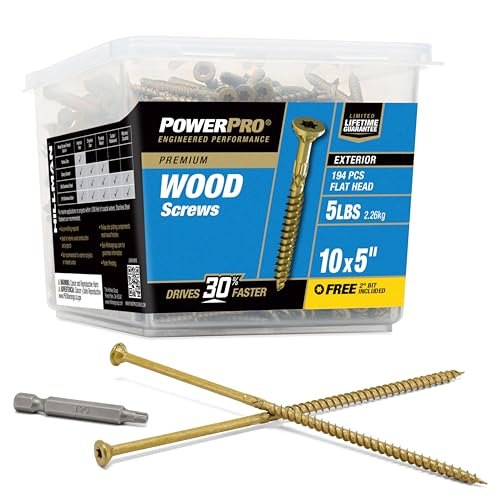
Power Pro Exterior Wood Screws #10 x 5 Inch Deck Screws, Bronze 194 Pieces
Power Pro
Mid-Range
Power Pro exterior wood screws #8 x 1-3/4" bronze (803 pcs)
Power Pro
Mid-Range
Power Pro exterior wood screws, #8 x 2" deck screws, bronze
Power Pro
Mid-Range
Power Pro Exterior Wood Screws #8 x 1-1/2" Bronze 927 Pieces
Power Pro
Mid-Range
Power Pro Exterior Wood Screws #9 x 2-1/2" bronze 443 pcs
Power Pro
Mid-Range
Power Pro Exterior Wood Screws #10 x 3-1/2" Bronze (280 pcs)
Power Pro
Mid-RangeRoundups
Frequently Asked Questions
How do I choose the right wood screw length and diameter for my project?
Select a screw length that penetrates the second piece by at least half its thickness without protruding; for joining two boards, aim for a screw length equal to the combined thickness minus 1/8–1/4 inch. Choose diameter (gauge) based on load and material: use thinner gauges (e.g., #6–#8) for light trim and thicker gauges (#10–#12 or higher) for structural joins
What screw head and drive types should I pick for woodworking?
Choose head types by application: flat (countersink) for flush finishes, round or pan for surface-fastening, and washer-head for soft materials. Pick drives that resist cam-out and match your tools—Phillips, Pozidriv, square (Robertson), and Torx are common; Torx and square drives offer better torque transfer and reduced stripping
Which materials and coatings are best for indoor versus outdoor wood screws?
For indoor use, plain steel or zinc-plated screws are typically fine; for outdoor or moisture-prone environments, use stainless steel (304 or 316) or hot-dip galvanized screws to resist corrosion. Specialty coatings like ceramic or polymer can improve corrosion resistance and reduce staining on treated lumber
Do I need to pre-drill pilot holes and countersink for wood screws?
Pilot holes are recommended for hardwoods, near edges, or when using large-diameter screws to prevent splitting; use a pilot hole about 60–85% of the screw's shank diameter for solid hold. Countersinking is advisable when you want a flush or recessed head—use a countersink bit matched to the screw head angle
How do I estimate quantity and cost for a woodworking project?
Estimate quantity by mapping screw spacing (e.g., 6–12 inches for decking joists, 8–16 inches for cabinet carcasses) and counting fastening points; add 10–20% extra for waste and mis-drives. Wood screws range widely in price by material and pack size, with budget packs under $50 and specialty or bulk industrial options averaging higher
What are common signs a screw is the wrong choice after installation?
Signs include wood splitting, stripped screw heads during drive, screws bending under load, or visible corrosion after exposure; these indicate incorrect length, diameter, drive type, material, or lack of pilot holes/countersinking
How should I store and care for wood screws to maintain quality?
Keep screws dry and in labeled, sealed containers to prevent rust and mixing sizes; store coated and stainless screws separately to avoid galvanic corrosion. For long-term use, rotate stock so older packs are used first and inspect before use for coating damage or corrosion