Wound Dressings
Commercial and clinical wound dressings and related supplies used for wound management, dressing changes, and protection, including foam, hydrocolloid, alginate, and adhesive dressings. The category indexes 49 products with an average rating of 4.59 and price tiers from about $33 to $276, featuring brands like Medline among others
Top Products

Dimora Wound Dressing Sacrum Foam Bandages (10 pack) 7x7
Dimora
Budget
Telfa adhesive dressing, sterile 3x4, pack of 100
COVIDIEN
Budget
AQUACEL Hydrofiber Ribbon Dressing 0.75x18, sterile, 5ct
ConvaTec
Budget
Areza Silver Calcium Alginate Wound Dressing Pads
Areza Medical
Budget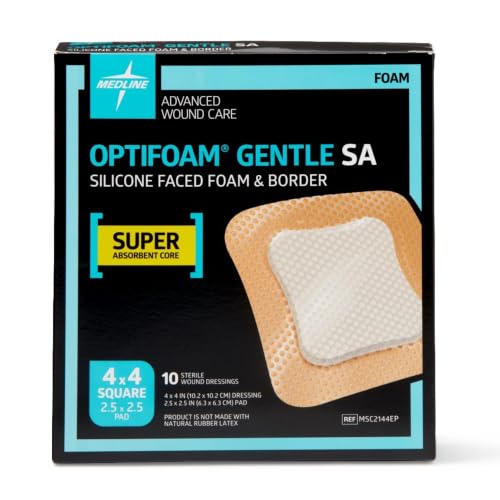
Medline Optifoam Gentle Silicone Faced Foam Dressing 4x4 (Pack of 10)
Medline
Mid-Range
ALLEVYN Life Wound Dressing 4x4 in (Box of 10)
Smith & Nephew
Budget
Telfa Adhesive Island Dressing, 4" x 10" (Pack of 25)
COVIDIEN
Mid-Range
Hydrocolloid Bandage Roll 2" x 19.7' for wound care
LukToMao
Budget
McKesson tubular elastic retainer net dressing, chest/back/perineum/axilla, size 10, 40.5 in x 25 yd
McKesson
Budget
ALLEVYN Life Wound Dressing 6x6 (box of 10)
Smith & Nephew
Mid-Range
AQUACEL Extra Hydrofiber Dressing 6x6 (5 ct) – ConvaTec
ConvaTec
Mid-Range
Dimora Silicone Foam Dressing with Border 4x8 (10 Pack)
Dimora
Budget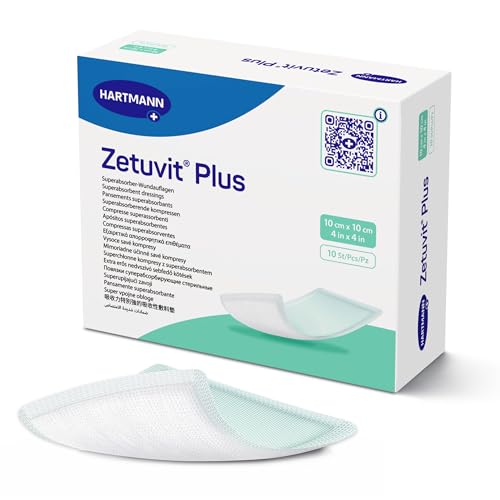
Zetuvit Plus Superabsorbent Dressing 4x4
Paul Hartmann AG
Mid-Range
RHINO RESCUE Non-Vented Chest Seal - Sterile Trauma Dressing (6 Count)
RHINO RESCUE
Budget
RHINO RESCUE Vented Chest Seal 4 Vents Sterile Trauma Dressing
RHINO RESCUE
Mid-Range
ALLEVYN Life Wound Dressing 5x5 in (Box of 10)
Smith & Nephew
Mid-Range
Waterproof adhesive island dressing 30 pack (4x12) for post-surgery care
luanerl
Budget
Carbou sacral silicone foam dressing with adhesive border
CARBOU
Budget
Triad Hydrophilic Paste Dressing 6 oz Tube (2 Pack)
Coloplast
Mid-Range
Hilom Silicone Foam Dressing with Adhesive Border 4x10 in (10 Pack)
Hilom
Budget
Large 6x6 Waterproof Silicone Foam Bandages for Sensitive Skin
Bioemmalab
Budget
Non-Adherent Dressing Drawtex 4 x 39 Inch Roll
STEADMED MEDICAL
Mid-Range
Medline Optifoam Gentle EX Bordered Foam Dressing 5" x 5"
Medline
Mid-Range
Xeroform Dressing 5X9 Sterile (50Ea/Bx)
Parmeic
Mid-RangeRoundups
Frequently Asked Questions
How do I choose the right type of wound dressing for my injury?
Select dressings based on wound type and exudate: films or hydrocolloids for low-exuding abrasions, foam or alginate for moderate to heavy exudate, and impregnated gauze or specialty dressings for infected or necrotic wounds. Consider wound depth, need for compression, and whether a non-adherent or absorbent contact layer is required
What key features should I compare when shopping for wound dressings?
Compare absorbency level, moisture-retention properties, adherence (non-adherent vs. adhesive), size and shape options, sterility, and compatibility with dressings like compression wraps or negative-pressure systems. Also check whether dressings contain silver, iodine, or other antimicrobials if infection control is needed
Are there cost-effective options and how much should I expect to pay overall?
Wound dressings span a wide price range: basic sterile gauze and adhesive dressings are low-cost, while advanced dressings (alginate, foam, hydrocolloid, antimicrobial) are higher-priced. For this category, shoppers often find options from budget under $50 to higher-cost specialty dressings; the average listed price across similar assortments is in the tens of dollars
How should I store and handle wound dressings to maintain sterility and performance?
Store dressings in a cool, dry place away from direct sunlight and moisture; keep them in their sealed packaging until use. Handle with clean hands or gloves, follow manufacturer instructions for opening, and avoid touching the wound-contact surface to prevent contamination
When should I choose a dressing with antimicrobial agents like silver or iodine?
Consider antimicrobial dressings for wounds with a high risk of infection, clinically infected wounds, or when bacterial load must be reduced; they are not necessary for clean, low-risk wounds. Use under guidance from clinical recommendations or a healthcare professional, as antimicrobials can affect tissue and microbiome
Can I use the same dressing for different wound stages and how often should dressings be changed?
Different wound stages often require different dressings: newer granulating wounds may need moisture-retentive dressings, while heavily exuding or infected wounds need more absorbent or antimicrobial options. Change frequency depends on exudate and product instructions—some advanced dressings can remain for several days, while gauze or saturated dressings may need daily changes
What compatibility issues should I check for when combining dressings with other tools or therapies?
Ensure dressings are compatible with topical agents, skin adhesives, compression bandages, and negative-pressure wound therapy; some dressings degrade with certain cleansers or ointments. Verify manufacturer guidance for layering, trimming, and use with adjunctive therapies to maintain performance and avoid skin damage