Wahoo RPM Cycling Cadence Sensor vs Cadence Speed Sensor with BLE & ANT+ for cycling computers
Overall winner: Wahoo RPM Cycling Cadence Sensor
Key Differences
moofit (A) is the more affordable option and offers both Bluetooth and ANT+ connectivity plus speed data without magnets; Wahoo (B) carries a higher user rating with many more reviews and is noted for easy attachment and Bluetooth app compatibility but has reported battery-life concerns. Pick A if you want a lower-priced, dual-protocol sensor; pick B if you prioritize broader user satisfaction and the Wahoo ecosystem
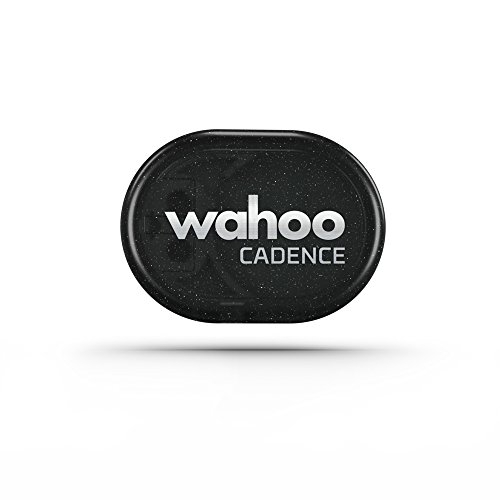
Wahoo RPM Cycling Cadence Sensor
Cadence sensor tracks real-time RPM and speed with compatible training apps via Bluetooth. Helps train cadence and performance. Customer notes easy attachment with mixed connectivity and occasional readouts
Pros
- real-time cadence measurement
- bluetooth connectivity
- compatible with multiple training apps
- easy to attach
Cons
- mixed connectivity performance
- occasional readouts may fail
- mount stability concerns

Cadence Speed Sensor with BLE & ANT+ for cycling computers
moofit Cadence Speed Sensor delivers real-time cadence and speed data via ANT+ and Bluetooth. Easy to install on the left crank with no magnets required; compatible with various devices and apps. Customer feedback notes easy setup but mixed pairing and connectivity experiences
Pros
- real-time cadence and speed data
- ANT+ and Bluetooth connectivity
- easy installation with no magnets
- waterproof IP67 rating
Cons
- mixed pairing/connectivity with some devices
- inconsistent speed readings reported by some users
Head-to-Head
| Criteria | Winner |
|---|---|
| Price | moofit |
| Durability | Tie |
| Versatility | moofit |
| User Reviews | Wahoo Fitness |