First Alert hardwired smoke and CO detector with battery backup vs X-Sense wireless interconnected smoke & CO detector (1-pack)
Overall winner: First Alert hardwired smoke and CO detector with battery backup
Key Differences
Choose First Alert (A) if you want a hardwired unit with battery backup and dual electrochemical CO + ionization smoke sensing — it also shows separate smoke/CO indicators on the face and has a much larger review sample. Choose X‑Sense (B) if you prefer an easier wireless installation and built‑in unit interconnection with a long 10‑year battery life and an LCD display
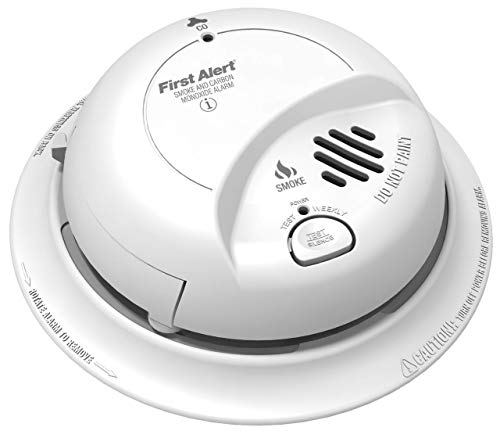
First Alert hardwired smoke and CO detector with battery backup
Hardwired smoke and carbon monoxide alarm with battery backup for continuous monitoring and an audible 85 dB siren. Easy replacement for older units; tests and ventilation indicators help verify status
Pros
- hardwired with battery backup
- electrochemical CO sensing and ionization smoke sensor
- face indicator lights for smoke/CO
- 85 dB loud warning
Cons
- mixed experiences with battery life
- some units arrive with dead batteries
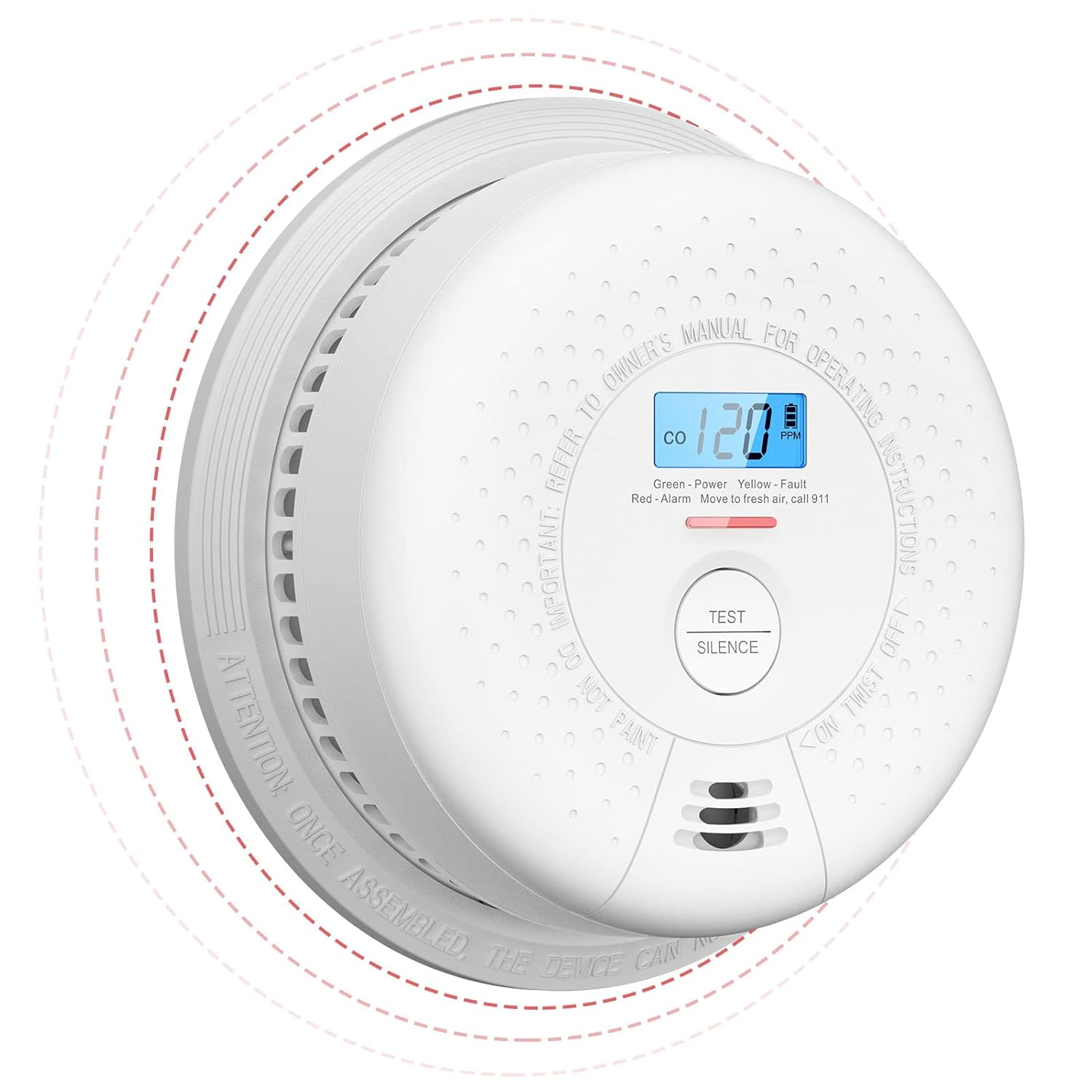
X-Sense wireless interconnected smoke & CO detector (1-pack)
Wireless interconnected smoke and CO detector with LCD display and 10-year battery. Interlocks with other alarms for full home protection; easy installation noted by customers. One reviewer mentioned it comes pre-installed
Pros
- wireless interconnection across alarms
- 10-year battery life
- LCD display for status
Cons
- mixed feedback on noise level
- some reports of false alarms in a set of units
Head-to-Head
| Criteria | Winner |
|---|---|
| Price | X-Sense |
| Durability | First Alert |
| Versatility | First Alert |
| User Reviews | First Alert |