Lobster diving gloves with Kevlar protection vs Cressi Camouflage Neoprene Spearfishing Gloves
Overall winner: Lobster diving gloves with Kevlar protection
Key Differences
D Vein's Kevlar Lobster Diving Gloves (A) emphasize cut, puncture and abrasion resistance with Kevlar fiber and flame-retardant material, plus a lower listed price tier; Cressi's Camouflage Neoprene Gloves (B) focus on elasticity, finger mobility, 2.0 mm warmth and an anti-slip palm, making them better for dexterity and thermal comfort. A is better if you prioritize cut/puncture protection and tougher material; B is better if you prioritize flexibility, tactile control and warmth
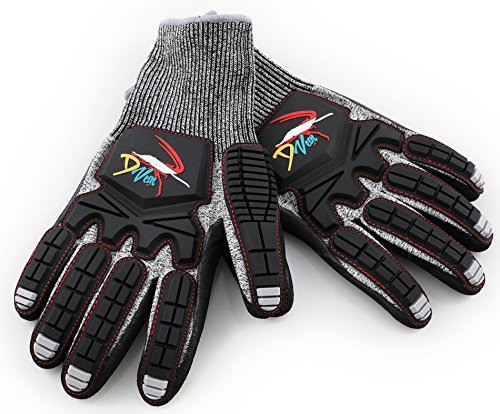
Lobster diving gloves with Kevlar protection
Kevlar dive gloves offering cut-proof protection for lobstering and spearfishing, with knuckle protection and comfortable fit. Customers report solid performance for lobstering and digging, with varying durability and padding feedback
Pros
- Kevlar fiber protection
- Knuckle protection for rocks and coral
- Suitable for lobstering and spearfishing
- Comfortable fit noted by customers
Cons
- Durability and padding mixed reviews
- Some report backing ripping
- Gloves can feel stiffer than expected

Cressi Camouflage Neoprene Spearfishing Gloves
Elastic neoprene gloves with 2.0 mm thickness for warmth and dexterity. Anti-slip palm coating and easy wrist adjustment; suitable for scuba diving and spearfishing. Customer insight notes good fit and warmth, with some seam durability concerns
Pros
- elastic neoprene material
- good dexterity and warmth
- anti-slip palm coating
- large Velcro wrist adjustment
Cons
- seam durability concerns
- mixed build quality feedback
Head-to-Head
| Criteria | Winner |
|---|---|
| Price | D Vein |
| Durability | D Vein |
| Versatility | CRESSI |
| User Reviews | Tie |