Computer Microphones
Computer microphones for desktops and laptops, including USB, XLR, and gaming headsets with built-in mics, suited for streaming, calls, and content creation. Average rating 4.47 across 87 indexed products, with prices from about $33 to $600 and top brands like Razer and Logitech G represented
Top Products

FIFINE USB Microphone with Boom Arm for Gaming
FIFINE
Mid-Range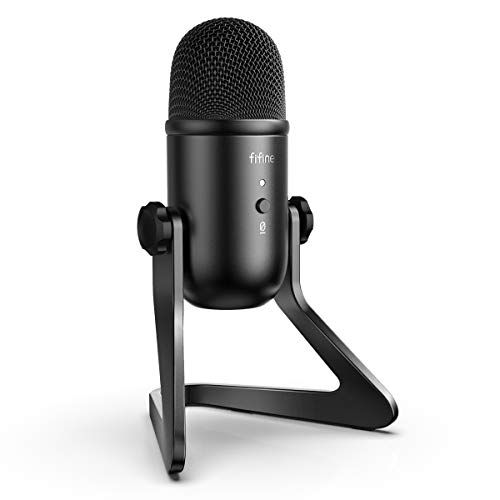
FIFINE USB Podcast Microphone K678 for PC/Mac with headphone output
FIFINE
Mid-Range
FIFINE USB Gaming Microphone Kit with RGB Lights
FIFINE
Mid-Range
FIFINE USB Gaming Microphone with RGB, mute touch, headset jack
FIFINE
Mid-Range
Aokeo USB Condenser Microphone with Arm and Accessories
Aokeo
Budget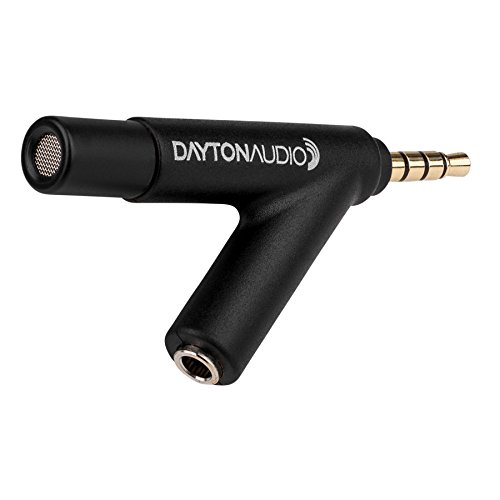
Dayton Audio calibrated measurement microphone for iOS and Android
Dayton Audio
Budget
FIFINE USB Microphone with 4 polar patterns
FIFINE
Mid-Range
Razer Seiren V3 Mini USB Condenser Microphone
Razer
Mid-Range
Razer Seiren V3 Mini USB Microphone
Razer
Mid-Range
TONOR USB Conference Microphone TM20
TONOR
Budget
Razer Seiren V2 X USB Condenser Microphone
Razer
Mid-Range
NJSJ USB Gaming Microphone with Boom Arm
NJSJ
Mid-Range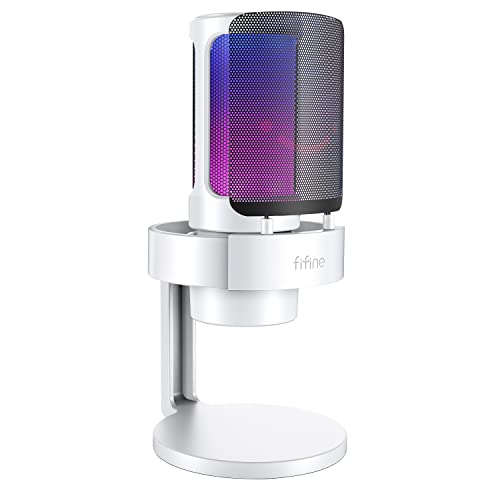
FIFINE USB Gaming Microphone with RGB Lighting
FIFINE
Mid-Range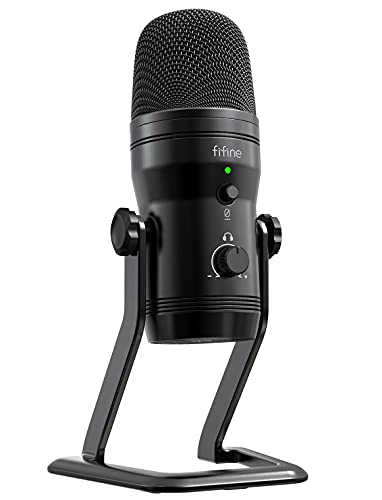
FIFINE USB Studio Microphone with 4 pickup patterns
FIFINE
Mid-Range
Razer Seiren V3 Mini USB Microphone
Razer
Mid-Range
ZealSound USB Gaming Microphone with Gain Control
ZealSound
Budget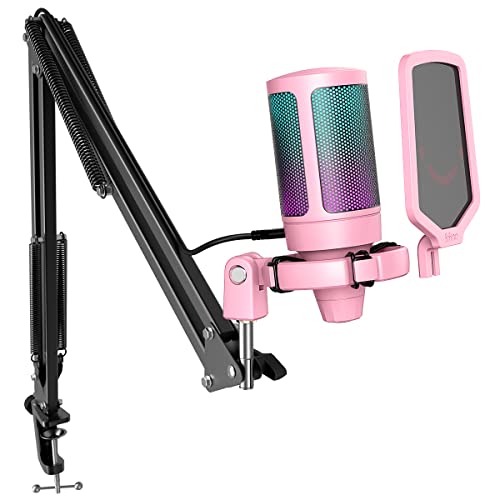
FIFINE USB Condenser Mic Kit with RGB Gain Mute
FIFINE
Mid-Range
AKG Ara USB-C Condenser Microphone
AKG
Mid-Range
ZealSound USB Microphone with mute, gain, and noise cancel
ZealSound
Budget
ZealSound USB Microphone with mute, gain, and headphone output
ZealSound
Budget
NZXT Capsule Mini USB Microphone
NZXT
Mid-Range
HyperX SoloCast wired USB microphone and Cloud Core headset
HyperX
Mid-Range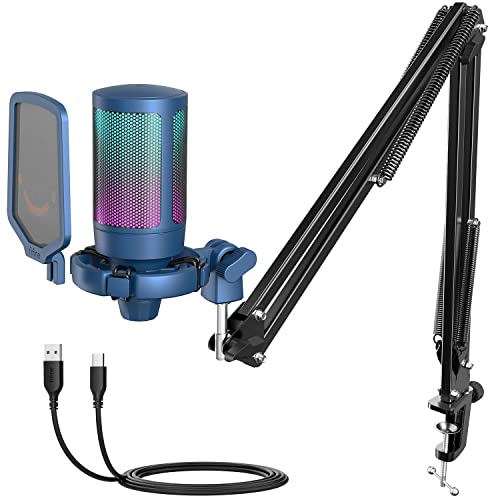
FIFINE USB Gaming Streaming Microphone Kit with Boom Arm (A6T) in Blue
FIFINE
Mid-Range
Mute Button USB Microphone with LED Indicator and MuteBar app
On Air Warning!
Mid-RangeRoundups
- Best Computer Microphones for Podcast Recording (2026)
- Best Computer Microphones for Pc Streaming (2026)
- Best Computer Microphones for Podcasting (2026)
- Best Computer Microphones Under $200 (2026)
- Best Computer Microphones Under $100 (2026)
- Best Computer Microphones Under $50 (2026)
- Best Computer Microphones (2026 Guide)
Frequently Asked Questions
How do I choose the right microphone type for streaming, podcasting, or gaming?
Choose a dynamic microphone for noisy rooms and close-miking, a condenser microphone for vocal detail in quiet rooms, and a shotgun or directional USB mic for focused pickup; also consider whether you need USB (plug-and-play) or XLR (more flexible, requires an audio interface)
What features should I prioritize for clear voice capture?
Prioritize microphone polar pattern (cardioid for isolating voice), frequency response tailored to speech, low self-noise, and a good signal-to-noise ratio; built-in pop filters and shock mounts also help reduce plosives and handling noise
How much should I expect to spend on a reliable computer microphone?
Budget USB mics start under $50, many well-reviewed midrange models fall between $50–$150, and professional XLR microphones plus an audio interface typically begin above $150; averages in this category are around $100
Do I need extra equipment like interfaces, boom arms, or shock mounts?
USB microphones usually work without extra gear, but an adjustable boom arm, shock mount, pop filter, and for XLR mics a quality audio interface will improve ergonomics and audio quality and reduce noise from vibrations and breath
How do I check compatibility with my computer and software?
For USB mics, verify your OS supports USB audio (most modern Windows, macOS, and Linux do); for XLR mics, ensure you have a compatible audio interface with required sample rate/bit depth and that your recording or conferencing software can select the device
What maintenance or care extends a microphone's lifespan?
Keep the mic covered when not in use, avoid moisture and extreme temperatures, use a pop filter to reduce saliva contact, clean external grills gently with a dry brush, and store in a padded case to prevent physical damage
How can I evaluate real-world performance from ratings and specs?
Compare user ratings and read reviews for comments on build quality, noise handling, and ease of setup; use specs like self-noise, frequency response, and polar pattern as objective guides but prioritize hands-on feedback for room and voice types