Computer Networking Switches
This category covers wired and smart Ethernet switches for home and small-to-medium business networks, including unmanaged, managed, PoE, and stackable models. 661 products are indexed with an average rating of 4.52; top brands include TP-Link and Cisco. Price range spans roughly $33 to $5,147, from budget to premium options
Top Products
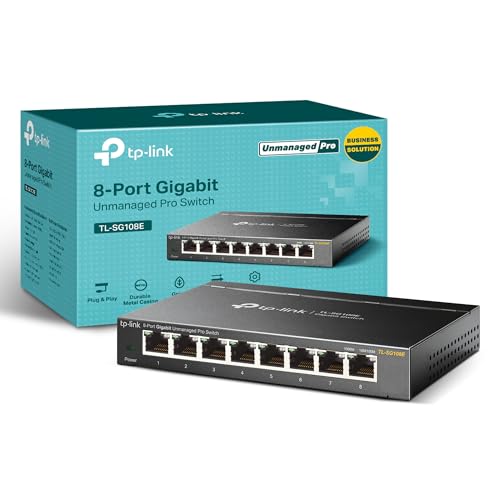
TP-Link 8-Port Gigabit Switch – Easy Smart Managed
TP-Link
Mid-Range
TP-Link 5-Port Multi-Gig Switch 2.5G Unmanaged
TP-Link
Mid-Range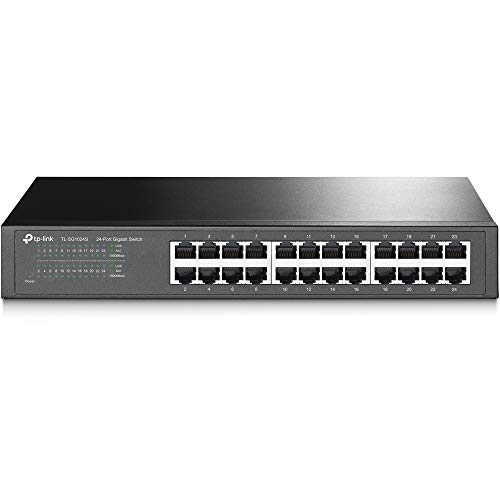
TP-Link 24-Port Gigabit Ethernet Switch (TL-SG1024S)
TP-Link
Mid-Range
TP-Link 16-Port Gigabit Switch – Easy Smart Managed
TP-Link
Mid-Range
TP-Link 8-Port Multi-Gigabit 2.5G Ethernet Switch
TP-Link
Mid-Range
TP-Link 9-Port PoE Switch 65W Budget
TP-Link
Mid-Range
TP-Link 6-Port PoE Switch TL-SF1006P
TP-Link
Mid-Range
TP-Link 16-Port Fast Ethernet Switch (TL-SF1016D)
TP-Link
Mid-Range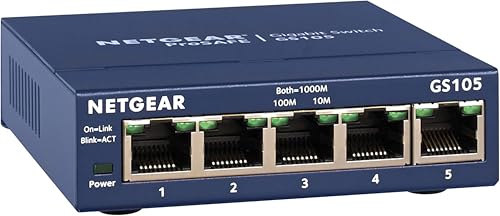
NETGEAR 5-Port Gigabit Unmanaged Switch (GS105NA)
NETGEAR
Mid-Range
NETGEAR 5-Port Gigabit Smart Managed Switch GS105Ev2
NETGEAR
Mid-Range
Linksys 5-Port Gigabit Desktop Unmanaged Switch
Linksys
Budget
Linksys 8-Port Gigabit Unmanaged Switch
Linksys
Mid-Range
NETGEAR 24-Port Gigabit Ethernet Unmanaged Switch (GS324)
NETGEAR
Mid-Range
8-Port Gigabit PoE Switch, 120W, Plug & Play
Aumox
Mid-Range
Linksys 5-Port Gigabit Ethernet Unmanaged Switch
Linksys
Budget
NETGEAR 5-Port Multi-Gig Ethernet Unmanaged Switch MS305
NETGEAR
Mid-Range
TP-Link 5-Port Gigabit PoE Switch (TL-SG1005P) desktop
TP-Link
Mid-Range
TP-Link 48-Port Gigabit Switch (TL-SG1048) – Unmanaged, Plug & Play
TP-Link
Premium
TP-Link 8-Port Gigabit PoE Switch (V4) 4 PoE+
TP-Link
Mid-Range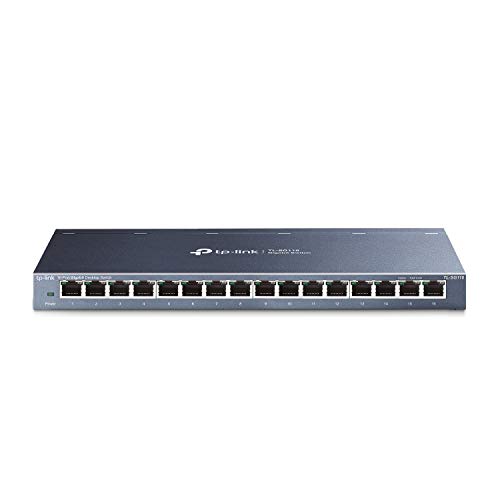
TP-Link 16-Port Gigabit Switch (TL-SG116) - Desktop/Wall-Mount, Fanless
TP-Link
Mid-Range
TP-Link 8-Port PoE Switch with SFP & Uplink
TP-Link
Mid-Range
TP-Link 5-Port PoE Switch (TL-SF1005P) 67W
TP-Link
Mid-Range
TP-Link PoE+ 5-Port Smart Switch with 1 Gigabit Uplink
TP-Link
Mid-Range
BV-Tech 5-Port PoE+ Switch (4 PoE+ + 1 Uplink) 65W
BV
Mid-RangeRoundups
Frequently Asked Questions
How do I choose the right switch for my home or small office network?
Decide between an unmanaged switch for simple plug-and-play connectivity or a managed switch if you need VLANs, QoS, or port monitoring; also consider required port count, supported speeds (Gigabit vs 10/100), PoE if you power devices like access points, and the physical size and cooling for your environment
What is PoE and when should I choose a PoE switch?
Power over Ethernet (PoE) supplies electrical power over the Ethernet cable to devices like IP cameras, VoIP phones, and wireless access points; choose a PoE or PoE+ switch when you need to eliminate separate power adapters for these devices and check the switch's total PoE budget and per-port power limits
Do I need a managed switch or will an unmanaged switch suffice?
Use an unmanaged switch for basic expansion and simple networks without traffic segmentation; choose a managed switch if you require VLANs, link aggregation, SNMP monitoring, traffic prioritization (QoS), or remote configuration and troubleshooting
How many ports and what speeds should I get?
Estimate current device count plus future growth and choose a switch with extra ports; prioritize Gigabit ports for wired devices today and consider 10Gb uplink or SFP/SFP+ slots if you need higher backbone throughput or connect to servers and network storage
What are the differences between fanless and fan-cooled switches?
Fanless switches operate silently and are suitable for low-power, compact deployments but may have lower throughput or fewer ports; fan-cooled switches handle higher port densities and sustained high traffic but produce noise and require ventilation
How do I secure a network switch?
Enable management authentication, change default passwords, restrict management access via ACLs or management VLANs, disable unused ports, enable port security features (MAC filtering, sticky MAC), and keep firmware updated to patch vulnerabilities
What warranty or reliability factors should I consider?
Look for vendor warranty length, availability of technical support, build quality (metal vs plastic chassis), and return or RMA policies; for critical deployments consider models with redundant power options or higher MTBF ratings