DJ Mixers
DJ mixers for live and studio use, including compact 2-channel controllers, multi-channel analog desks, and USB-equipped digital mixers. The category spans budget through premium options (155 products; avg rating 4.34) with brands like Mackie and Depusheng represented. Price range roughly $36–$1,359 (avg ~(price varies))
Top Products

VAsdev Podcast Soundboard Bundle with Bluetooth Voice Changer DJ Controller
BNIFI
Mid-Range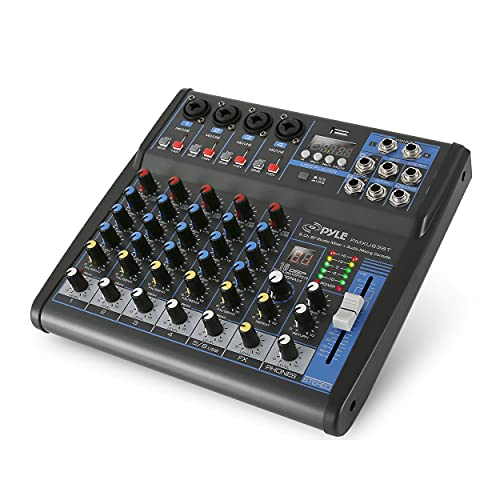
Pyle 6-Channel USB/Bluetooth Audio Mixer PMXU63BT
Pyle
Mid-Range
FIFINE Gaming Audio Mixer with XLR mic input and phantom power
FIFINE
Mid-Range
FIFINE SC3W 4-Channel Gaming Mixer with XLR Interface
FIFINE
Mid-Range
Gemini 2-Channel Pocket DJ Mixer with RCA, Mic & Headphone Jacks
Gemini Sound
Mid-Range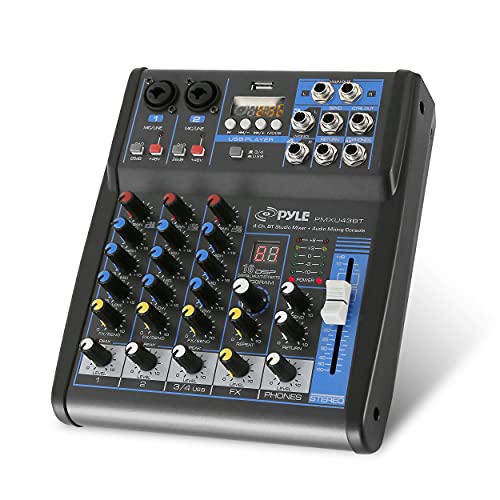
Pyle 4-Channel USB Bluetooth DJ Mixer
Pyle
Mid-Range
Pyle 8-Channel USB Bluetooth Audio Mixer PMXU83BT
Pyle
Mid-Range
A60 6-Channel USB audio mixer with 48V phantom power
WEYMIC
Mid-Range
4-channel DJ mixer with Bluetooth, USB/MP3 input
Kaschun
Mid-Range
Yamaha 6-Input Compact Stereo Mixer MG06
Yamaha
Mid-Range
Depusheng DT8 8-Channel USB Mixer with MP3/Bluetooth
Depusheng
Mid-Range
Audio Mixer 4-Channel with 48V Phantom Power and 7-Band EQ
TKLBLS
Mid-Range
Numark M2 2-Channel Scratch DJ Mixer with 3-band EQ
Numark
Mid-Range
A-Series 6-Channel Professional Mixer for Recording
WEYMIC
Mid-Range
Audio Mixer 8 Channel with USB/BT/Phantom Power
FULUODE
Mid-Range
Depusheng DX6 6-Channel USB Audio Mixer
Depusheng
Mid-Range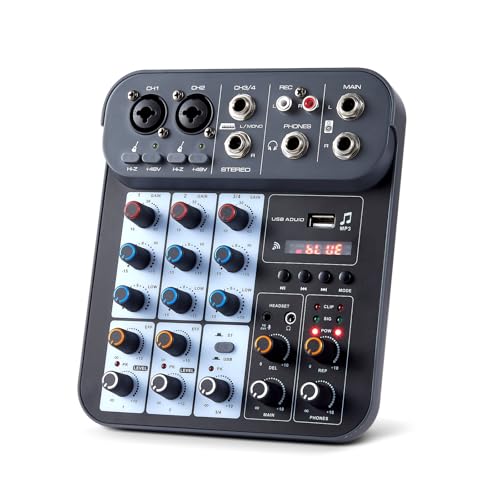
4 Channel DJ Audio Mixer with 2 mic inputs, DSP effects
Boeska
Mid-Range
Live Sound Card with DJ Mixer Effects & Voice Changer
Generic
Mid-Range
Aveek 4-Channel USB/Bluetooth Audio Mixer 48V DSP
Aveek
Mid-Range
Podcast Equipment Bundle with 2 USB mics and audio interface
Brvomussy
Mid-Range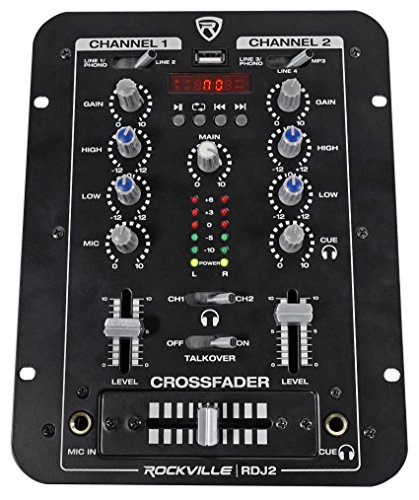
Rockville 2-Channel DJ Mixer with USB MP3 Playback
Rockville
Mid-Range
4-channel audio mixer with effects and Bluetooth
Riworal
Mid-Range
Depusheng HT4 4-channel Bluetooth DJ mixer
Depusheng
Mid-Range
A-Series 10-Channel Professional DJ Mixer
WEYMIC
Mid-RangeRoundups
Frequently Asked Questions
How do I choose the right DJ mixer for my needs?
Pick a mixer based on your setup (number of decks and input types), performance features you need (EQ, filters, effects, and cueing), and whether portability or studio integration matters; prioritize compatible inputs/outputs and a workflow you can operate reliably in live or recording contexts
What are the important specs to compare when shopping for a DJ mixer?
Compare number of channels, input types (RCA, phono, line, XLR), built-in preamps and phono/line switching, cue/monitor outputs, EQ bands and isolators, effects and filters, USB/audio interface capability, and build quality such as faders and knobs
What price ranges should I expect for DJ mixers and what do they typically include?
Entry-level mixers and compact 2–4 channel units commonly fall in lower price ranges and cover basic mixing and headphone cueing; midrange models add better preamps, more channels, and onboard effects, while higher-end units include pro I/O (XLR), advanced FX and MIDI control — average prices in general DJ categories often sit around the low-to-mid hundreds
Do I need a mixer with a built-in audio interface or can I use a separate interface?
A built-in USB audio interface simplifies connecting to a laptop for digital DJ software and recording, but a separate audio interface can offer higher-quality converters, more I/O flexibility, and easier upgrades; choose based on desired audio quality, channel routing needs, and budget
How important is build quality and repairability for DJ mixers?
Build quality matters for fader longevity, knob durability, and connector reliability in live use; mixers with replaceable faders, standard screws, and accessible service parts are easier to maintain and repair, which can reduce long-term replacement costs
What connectivity should I check for to ensure compatibility with turntables, controllers, and PA systems?
Ensure the mixer has the correct inputs for your sources (phono inputs for turntables, line/RCA or balanced XLR/TRS for CDJs and controllers), enough aux/booth outputs for monitors and PA, and dedicated cue outputs for headphones; confirm phono/line switching if you use both turntables and line-level devices
How do I care for and maintain a DJ mixer to prolong its lifespan?
Keep the mixer covered when not in use, avoid spills and extreme temperatures, clean dust from knobs and faders periodically with appropriate electronics-safe tools, and service worn faders or loose connectors early to prevent further damage