Microphone Cables
This category covers microphone cables for recording, live sound, and broadcast applications, including XLR, TRS, and instrument interconnects across budget through mid-range options. 785 products are indexed with an average rating of 4.67 and brands like COLUBER CABLE among top sellers
Top Products

Cable Matters XLR to XLR Cables 25ft (2-pack) microphone cable
Cable Matters
Budget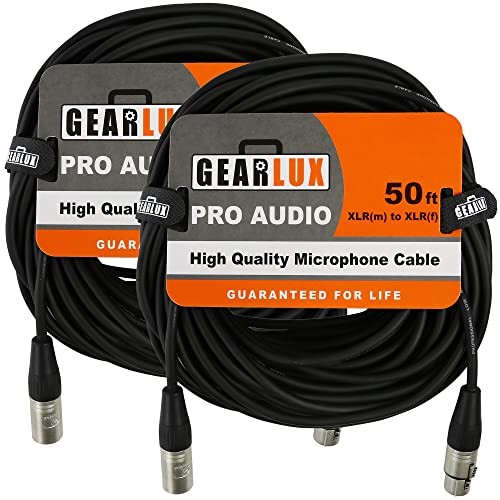
Gearlux XLR Microphone Cable 50 ft (2-pack)
Gearlux
Budget
Gearlux XLR Microphone Cable, 25 ft, 3 Pack
Gearlux
Budget
Gearlux XLR Microphone Cable, 3.2 ft, 6 pack
Gearlux
Mid-Range
LyxPro XLR Microphone Cable 50 ft – 3-pin balanced pro audio (green)
LyxPro
Budget
LyxPro XLR Microphone Cable 50 ft, balanced 3-pin, orange
LyxPro
Budget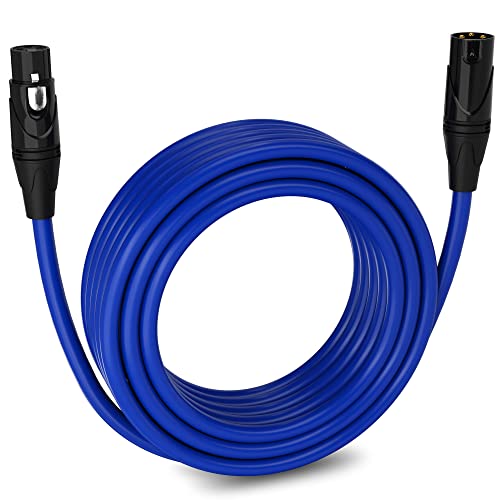
LyxPro 50 ft XLR Microphone Cable (Male to Female) – Pro Audio
LyxPro
Budget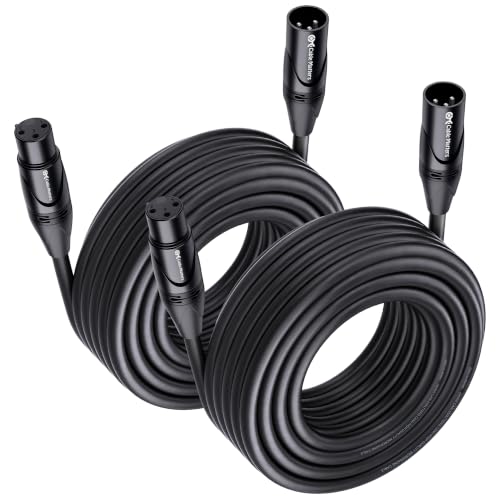
Cable Matters 2-pack XLR to XLR Microphone Cables, 35ft
Cable Matters
Mid-Range
Monoprice XLR Male to XLR Female Cable, 35 ft, Premier Series
Monoprice
Budget
Gearlux XLR Microphone Cable, 50 ft, 3 pack
Gearlux
Mid-Range
LyxPro XLR Microphone Cable 100 ft, balanced 3-pin, yellow
LyxPro
Mid-Range
LyxPro 100 ft XLR Microphone Cable, balanced 3-pin, green
LyxPro
Mid-Range
Cable Matters 2-Pack XLR to XLR Cables, 50ft Mic Cables, OFC
Cable Matters
Mid-Range
LyxPro XLR Microphone Cable 100 ft, balanced 3-pin, pink
LyxPro
Mid-Range
LyxPro XLR Microphone Cable 100 ft, balanced, 3-pin, black
LyxPro
Mid-Range
LyxPro 100 ft XLR cable for mic to interface
LyxPro
Mid-Range
LyxPro 100 ft XLR Cable – Balanced Mic Cord, Red
LyxPro
Mid-Range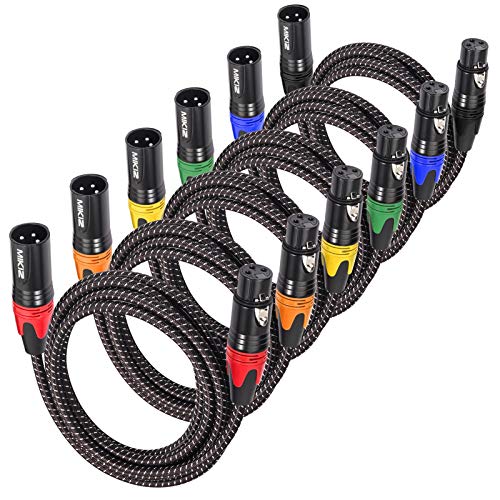
XLR Cables Braided 6-pack 1.2 ft (short) Male to Female
MIKIZ
Budget
EBXYA 100 ft XLR Microphone Cable (3-pin) – Balanced Mic to Speaker
EBXYA
Budget
XLR Microphone Cables 3ft, 6-Pack, braided XLR cables
MIKIZ
Mid-Range
Gearlux XLR Microphone Cable 3.2 ft, 10 pack
Gearlux
Mid-Range
Cable Matters 6.35mm XLR to TRS Cable, 50ft, Black
Cable Matters
Budget
LyxPro XLR Microphone Cable 250 ft, balanced 3-pin, yellow
LyxPro
Mid-Range
LyxPro 150 ft XLR Microphone Cable, balanced 3-pin, blue
LyxPro
Mid-RangeRoundups
- Best Microphone Cables for Podcast Setups (2026)
- Best Microphone Cables for Live Sound Reinforcement (2026)
- Best Microphone Cables for Studio Recording (2026)
- Best Microphone Cables Under $200 (2026)
- Best Microphone Cables Under $100 (2026)
- Best Microphone Cables Under $50 (2026)
- Best Microphone Cables (2026 Guide)
Frequently Asked Questions
How do I choose the right microphone cable for my mic and equipment?
Match the connector type (XLR, 1/4" TRS, or 1/4" TS) to your microphone and input, choose balanced (XLR or TRS) for long runs and noise rejection, and pick a cable length that minimizes unnecessary slack while allowing flexibility for setup
Does cable length affect audio quality and when should I use a shorter vs. longer cable?
Longer cables can increase capacitance and potential signal loss, especially for unbalanced lines; use the shortest practical length for high-fidelity or high-impedance signals and balanced XLR/TRS for runs over 15–25 feet to maintain signal integrity
What should I consider when comparing cable construction and durability?
Look for quality conductor materials (oxygen-free copper or high-purity copper), solid strain relief, robust connectors (nickel or gold plating), adequate shielding (braid or foil), and flexible yet tough jackets if the cable will be moved or used live frequently
Are shielded and balanced cables necessary for live or studio use?
Yes—balanced cables with proper shielding reduce hum and electromagnetic interference and are generally recommended for both live and studio environments, especially for runs longer than a few meters or near power sources and lighting
How much should I expect to pay for a reliable microphone cable?
Microphone cable prices vary by length and build quality; expect budget options under $25, mid-range durable cables in the $25–$75 range, and higher-end or specialty cables above that, with many shoppers finding dependable options in the mid-range
How do I care for and store microphone cables to extend their life?
Coil cables using the over-under method to avoid kinks, avoid tightly wrapping around gear, keep them dry and away from sharp bends, and check connectors regularly for loose contacts or corrosion
Can I use instrument cables for microphones or vice versa?
Instrument (unbalanced TS) cables are not ideal for most microphones because they lack balanced circuitry and shielding; use microphone-appropriate balanced XLR or TRS cables for mics and reserve TS instrument cables for passive electric guitars and similar devices