Monoculars
Monoculars in Electronics & Gadgets include single-eye optical scopes for birding, hiking, stargazing and sports, spanning budget through premium models. The category covers 116 indexed products with an average rating of 4.44 and prices typically ranging from $34 to $2,295. Brands represented include Pankoo among others
Top Products
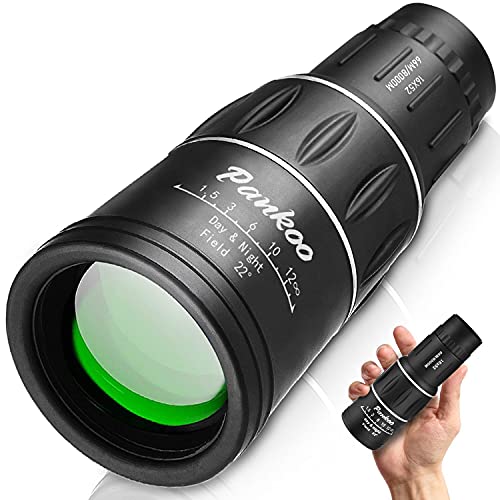
16x52 Monocular Telescope for Adults – 2023
Pankoo
Mid-Range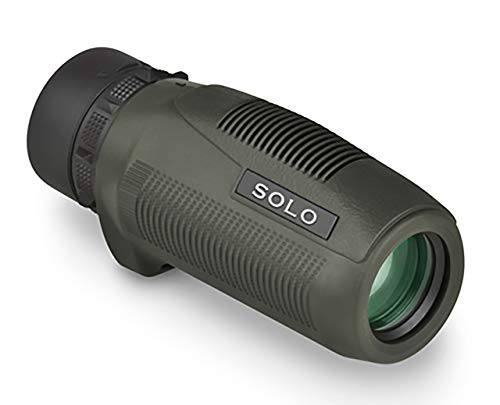
Vortex Solo Monocular 10x25 with non-slip rubber armor
Vortex
Mid-Range
Monocular Telescope 12x56 – handheld scope with tripod & phone adaptor
hd360pro
Mid-Range
Monocular Telescope 10x42, compact waterproof monocular
usogood
Mid-Range
Monocular Telescope with smartphone holder and tripod
Pankoo
Mid-Range
Pankoo 12x60 monocular telescope for adults
Pankoo
Mid-Range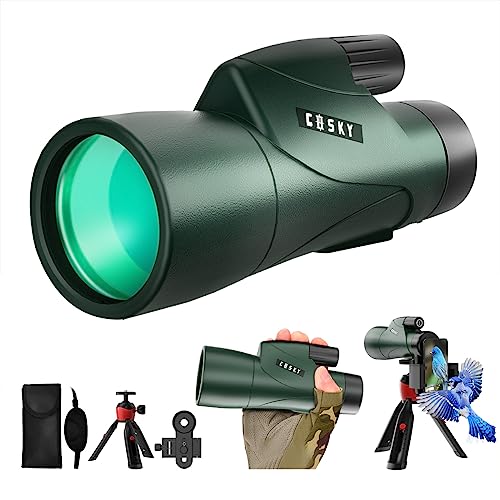
Gosky 12x55 HD Monocular—BAK-4, FMC, smartphone adapter
Gosky
Mid-Range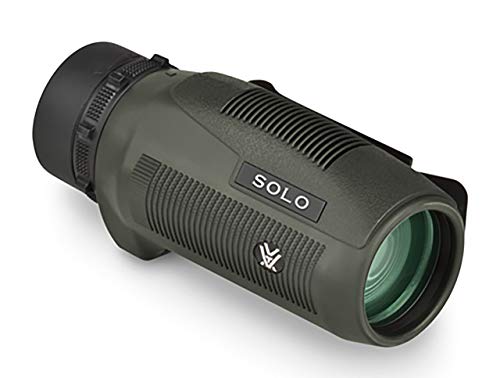
Vortex Solo Monocular 10x36
Vortex
Mid-Range
Gosky 15x55 HD Monocular with BAK-4 Prism & FMC Lens
Gosky
Mid-Range
Wingspan 12x50 Monocular
Wingspan Optics
Mid-Range
Monocular Telescope 80x100 with Smartphone Adapter
MD.LIFE
Mid-Range
Monocular 80x100 High Power Monocular with HD optics
ASxmhGo
Mid-Range
Nocs Provisions Zoom Tube 8x32 Monocular
Nocs Provisions
Mid-Range
K&F Concept 12X50 HD Monoculars
K&F CONCEPT
Mid-Range
Roxant Falcon Monocular with Smartphone Adapter
ROXANT
Mid-Range
Monocular Telescope with LED Lights 80x100 for Outdoors
ASxmhGo
Mid-Range
80x100 Monocular Telescope with 50mm lens for outdoor viewing
Asacam
Mid-Range
Pankoo 16x52 Monocular Telescope
Pankoo
Mid-Range
16x52 monocular telescope for outdoors
Sihea
Budget
12x56 High Power Monocular Telescope with Smartphone Adapter
OXK Optics
Mid-Range
Pankoo 40X60 Monocular Telescope with Smartphone Holder
Pankoo
Mid-Range
MD.LIFE 80x100 Monocular Telescope with Tripod & Phone Adapter
MD.LIFE
Mid-Range
Monocular-telescope 80x100 for smartphone viewing
PhysioPhyx
Mid-Range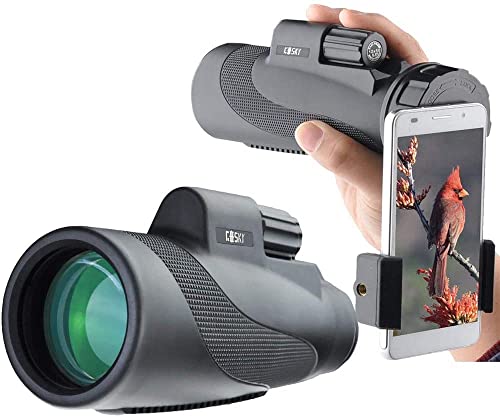
Gosky Titan 12X50 Monocular with Phone Holder
Gosky
Mid-RangeRoundups
Frequently Asked Questions
How do I choose the right magnification and objective lens size?
Choose magnification based on use: 6x–8x for steady handheld viewing and wider field of view, 10x–12x for higher detail but more handshake and narrower view. Pair magnification with objective diameter (e.g., 25–50 mm) to balance brightness—larger objectives collect more light but increase size and weight
What optical features matter for image quality?
Look for multi-coated or fully multi-coated lenses for better light transmission and contrast, high-quality prism type (BaK-4 commonly higher quality than BK-7), and a larger exit pupil for low-light viewing; also consider field of view and close focus distance for your use case
How do I pick a monocular size and build for portability versus performance?
Compact monoculars (lightweight, small objective) prioritize portability but may dim in low light; mid-size models offer a balance of brightness and portability; full-size units provide better low-light performance but are heavier. Consider waterproofing, fogproofing (nitrogen or argon filled), and rubberized housing for durability
Are image stabilization and night vision common in monoculars, and do I need them?
Image stabilization is available on some higher-end monoculars and helps at high magnifications or when handheld; night vision or digital low-light modes are separate categories—useful for very low-light conditions but add cost, weight, and battery dependence. Choose based on whether your use requires extended low-light viewing or stationary setups
What should I know about mounting, accessories, and carrying options?
Many monoculars include or support tripod adapters for steady viewing and long sessions; common accessories are carrying cases, lens caps, neck straps, and microfiber cleaning cloths. Verify thread size for tripods and whether the manufacturer supplies the adapter or case
How do I care for and maintain a monocular to keep optics clear?
Keep lenses capped when not in use, store in a dry place, and clean with a soft brush or air blower then a microfiber cloth and lens cleaner—avoid household cleaners and rough materials. If sealed and nitrogen/argon filled, the unit will resist internal fogging; otherwise avoid rapid temperature changes that cause condensation
What price range should I expect and how does price relate to performance?
Monoculars span from budget under $50 to several hundred dollars; lower-priced models can be fine for casual daytime use, while mid-range to higher-end units typically offer better coatings, prism glass, build quality, and features like waterproofing or stabilization—expect average category prices around the low-to-mid hundreds of dollars