Recording Signal Direct Boxes
Recording signal direct boxes convert instrument or line-level signals to balanced mic-level outputs for recording and live sound; offerings span budget through mid-range units for guitar, keyboards, and DI applications. The category includes 33 indexed products averaging a 4.58 rating and an approximate price range of $35–$204, with brands like ART represented
Top Products

Hosa DIB-443 Sidekick Passive DI Box
Hosa
Budget
Donner Special-I Passive DI-Box for stage and studio
Donner
Mid-Range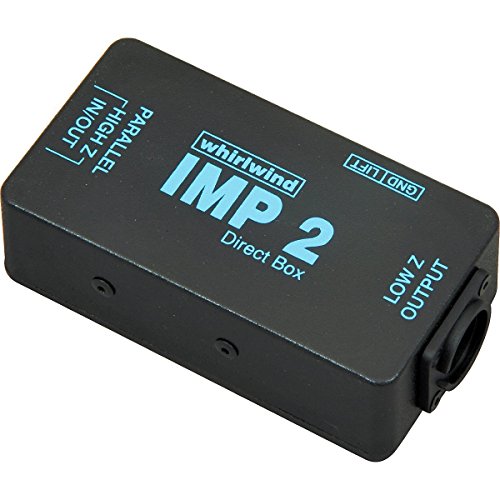
IMP 2 1-Channel Passive Instrument Direct Box
Whirlwind
Mid-Range
Behringer Ultra-Di DI100 Active DI-Box (sold in sets of 10)
Behringer
Mid-Range
MD1 Mono Passive Direct Box Restock
SAMSON
Mid-Range
ART ZDirect Professional Passive Direct Box
ART
Mid-Range
StudioMan DI Passive DI Box 1-Channel XLR/TRS
StudioMan
Budget
SAMSON MLI1 Mono Passive Isolation Box
SAMSON
Mid-Range
ART DualZDirect Dual Professional Passive Direct Box
ART
Mid-Range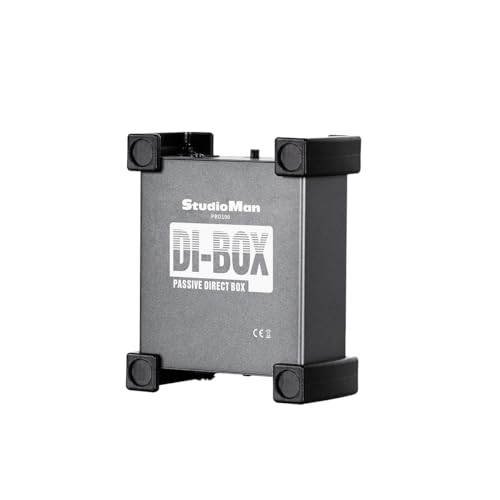
StudioMan PRO100 Passive DI Box: 1/4" to XLR, impedance matching
StudioMan
Mid-Range
Radial Pro DI Passive Direct Box
Radial Engineering
Mid-Range
ART DualXDirect Dual Professional Active Direct Box
ART
Mid-Range
MD2 Pro Stereo Passive Direct Box
SAMSON
Mid-Range
XLR over Ethernet 4-channel snake with 2 boxes
Cable Matters
Mid-Range
Bolanle Pro DI Passive Direct Box 2 Channel
Bolanle
Mid-Range
Seismic Audio Passive Direct Boxes (Pair) with Attenuator Switch
Seismic Audio
Mid-Range
AUX to XLR isolation box with volume control
WisWinDa
Mid-Range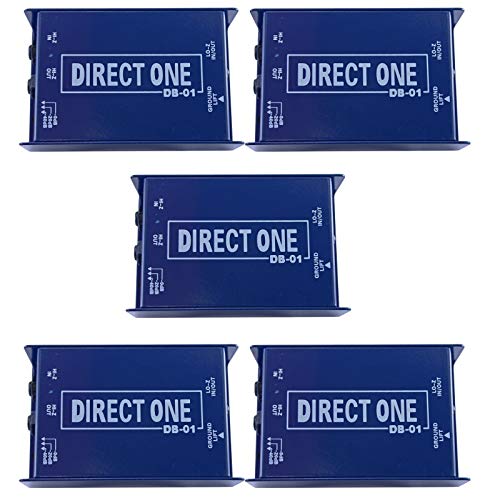
5-pack: Pro Audio Passive DI Direct Box 1/4 in to XLR
Yovus
Mid-Range
Behringer 2-way/mono 3-way crossover with sub output
Behringer
Mid-Range
StudioMan DI-2 Dual Channel Passive DI Box
StudioMan
Mid-Range
Radial ProRMP Studio Re-Amper Passive Re-Amping Direct Box
Radial Engineering
Mid-Range
StudioMan PRO200 2-CH Passive Direct Box
StudioMan
Mid-Range
CAT Box MX - Male XLR Stage Box with Analog Audio over CAT Cable
Sound Tools
Mid-Range
JOYO passive reamping DI box with 6.35mm and XLR inputs
JOYO
Mid-RangeRoundups
Frequently Asked Questions
What is a direct box (DI) and why would I need one for recording or live sound?
A direct box converts high-impedance, unbalanced instrument or line signals to low-impedance, balanced mic-level signals to feed mixers, audio interfaces, or PA systems with less noise and longer cable runs; use one when connecting guitars, basses, keyboards, or line-level gear to professional inputs
How do I choose between passive and active DI boxes?
Choose passive DIs for passive pickups and high-output line sources or when you want transformers for isolation and saturating character; choose active DIs when using low-output passive pickups, active electronics, or when you need higher input impedance and cleaner transparency
Which features matter most for studio recording versus live performance?
For studio use prioritize clean frequency response, high input impedance, and ground lift or polarity switch; for live use prioritize rugged construction, transformer isolation for hum rejection, direct thru or parallel outputs for stage amps, and easy-to-reach switches
What impedance and input considerations should I check before buying?
Match the DI input impedance to the source: passive electric guitars generally benefit from very high input impedance (around 1 MΩ), active electronics can work with lower values, and line-level sources should accept lower impedances; check maximum input level and whether the DI handles instrument, line, and mic signals
Can a DI box affect tone, and how can I preserve my instrument's sound?
Yes—transformer-based passive DIs can add warmth or subtle saturation, while high-quality active DIs are typically more transparent; preserve tone by choosing a DI with appropriate input impedance, bypass/thru options to compare with amp sound, and a model known for low noise and flat response
How do ground lift and isolation help with hum and buzz?
A ground lift separates the signal ground from chassis ground to break ground loops that cause hum, and transformer isolation galvanically isolates the source from the receiving equipment, both reducing noise on long runs or complex setups
What should I expect for budget and durability when shopping for DI boxes?
Entry-level DIs and passive plastic-housed units can be found in lower price tiers for casual use, while metal, transformer-coupled, or active models cost more and generally offer greater durability, reliability on stage, and improved noise performance; the category spans affordable to pro-level price ranges