Telescope Filters
Filters and accessories for telescopes including planetary, lunar, solar, narrowband, and light-pollution filters used to enhance contrast and protect optics. The category spans budget through premium options (35 indexed products, average rating 4.55) with brands like SVBONY among the top names
Top Products

Celestron 1.25" Variable Polarizing Moon Filter
Celestron
Mid-Range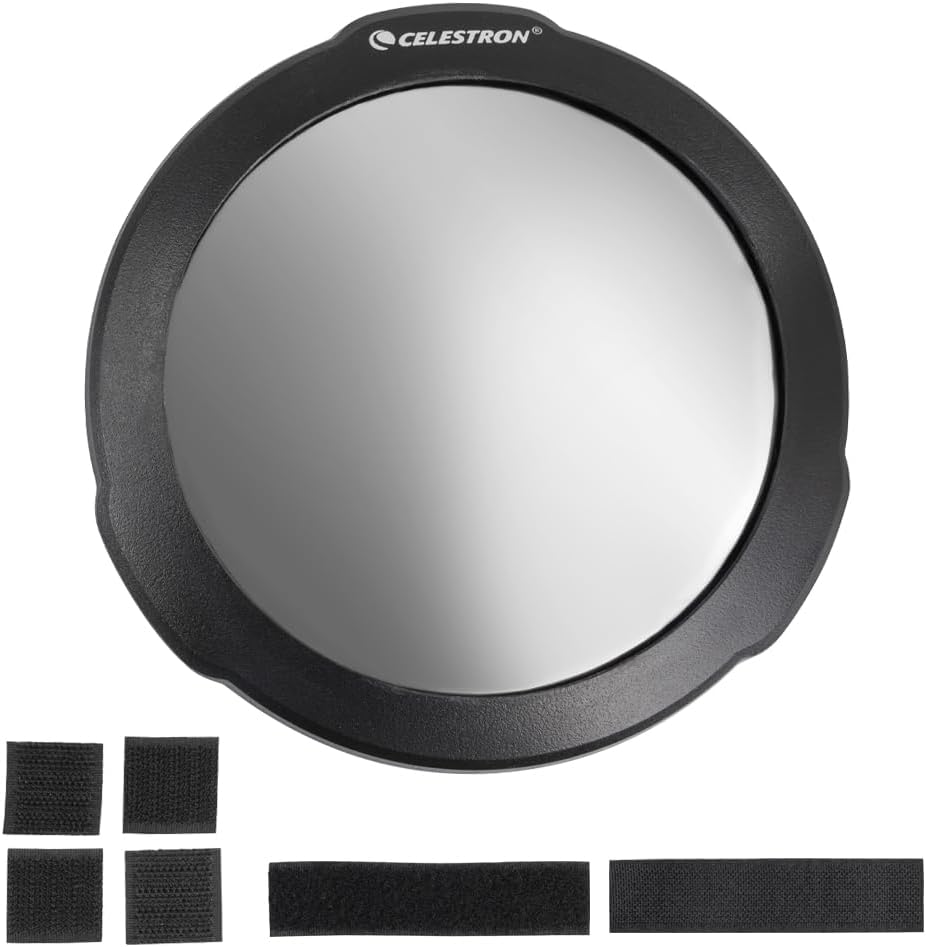
Celestron EclipSmart Solar Eclipse Filter for SCT Telescopes
Celestron
Mid-Range
Rollei Astroklar Light Pollution Filter 67mm for Night Photography
Rollei
Mid-Range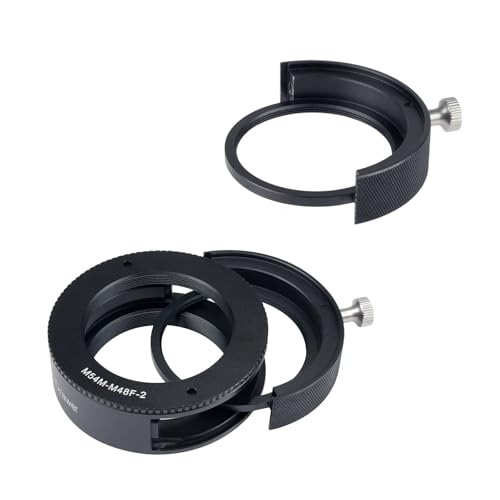
SV226 M54 Filter Drawer for 2'' filters
SVBONY
Mid-Range
OPTOLONG 1.25" UV/IR Cut Filter for CCD Astrophotography
Optolong
Mid-Range
SVBONY 2" CLS Broadband Telescope Filter
SVBONY
Mid-Range
SVBONY SV226 Filter Drawer for 1.25" and 2" filters
SVBONY
Mid-Range
Celestron Solar Eclipse Telescope Filter 8 Schmidt-Cassegrain/EdgeHD
Celestron
Mid-Range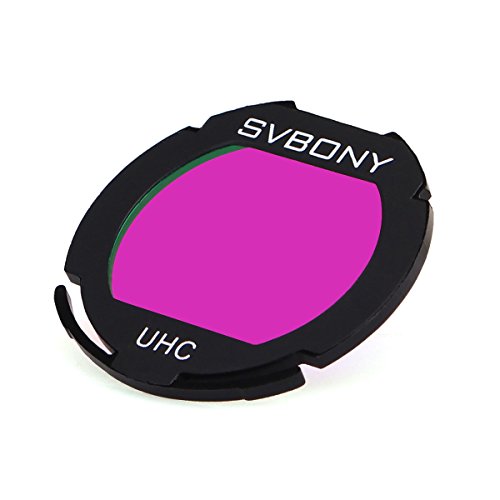
SVBONY UHC Telescope Filter for CCD/DSLR
SVBONY
Mid-Range
Rollei Astroklar Light Pollution Round Filter I 105mm
Rollei
Mid-Range
SVBONY SV220 7nm Dual-Band Nebula Filter 1.25"
SVBONY
Mid-Range
SV231 Color Correction Filter for 1.25" Telescopes
SVBONY
Mid-Range
SVBONY SV231 Color Correction Filter for 2" Telescope
SVBONY
Mid-Range
Seestar S50 MASK PRO System Starter Bundle
Generic
Budget
Astroklar Light Pollution Round Filter 52mm for night photography
Rollei
Mid-Range
Helios Glass Telescope Solar Filter
Seymour Solar
Mid-Range
Helios Glass Telescope Solar Filter (5") by Seymour Solar
Seymour Solar
Mid-Range
Celestron eyepieces and filter kit with 2x Barlow
Celestron
Premium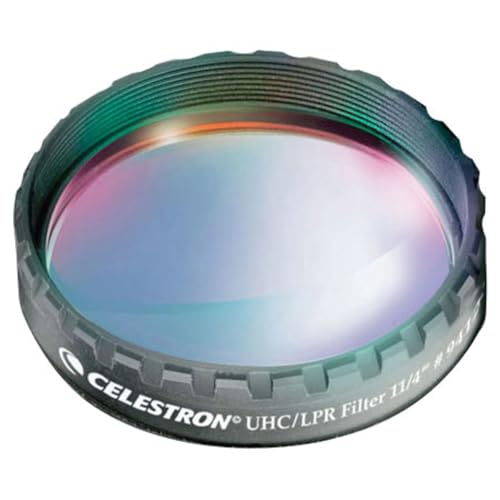
Celestron 1.25" UHC/LPR Filter with Dielectric Coatings
Celestron
Mid-Range
SVBONY CLS EOS-C Clip-on Filter for Canon
SVBONY
Mid-Range
SVBONY SV220 7nm dual-band nebula filter (2 inches)
SVBONY
Mid-Range
13 piece telescope accessory kit with 1.25" eyepieces, filters, and case
CELTICBIRD
Mid-Range
Helios Glass Telescope Solar Filter (4.75")
Seymour Solar
Mid-Range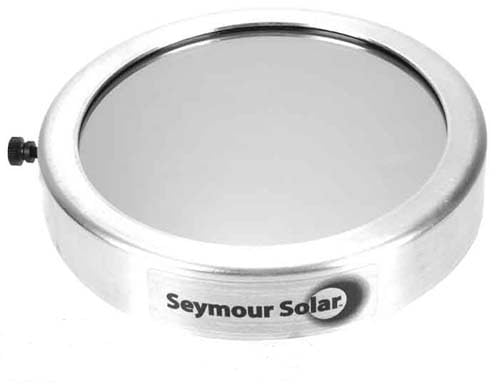
Helios Glass Telescope Solar Filter (7.5") by Seymour Solar
Seymour Solar
PremiumRoundups
Frequently Asked Questions
How do I choose the right telescope filters for my viewing goals?
Match the filter type to your target: low-pass or broadband light-pollution filters for urban sky contrast, narrowband filters (H-alpha, OIII, SII) for specific nebulae, color or planetary filters for Moon and planet detail, and solar filters rated for direct solar observation. Also verify the filter’s thread size or cell diameter matches your eyepiece, diagonal, or camera adapter
What filter sizes and fittings should I check before buying?
Check the inner diameter (mm) and thread pitch of eyepieces, diagonals, or camera adapters; common sizes include 1.25-inch and 2-inch eyepieces and M-series metric threads (e.g., M28.5, M48). Many filters list both a cell diameter and compatible eyepiece size—measure your equipment or consult manuals to ensure compatibility
How much should I expect to spend on telescope filters?
Price varies by type and quality: basic color and lunar/planetary filters can be under $50, light-pollution and broadband filters often range from ~(price varies) to a few hundred dollars, and high-end narrowband or multi-band imaging filters commonly reach several hundred dollars; the category average is typically around the low hundreds
Can filters be used for both visual observing and astrophotography?
Some filters are designed for both visual and imaging use (broadband LP and many color filters), but narrowband and imaging-specific filters are optimized for camera sensors and may require additional calibration for visual viewing. Check manufacturer specifications for transmission curves and intended use
How do I care for and store telescope filters to avoid damage?
Handle filters by the edges or use gloves, clean only with an air blower and lens-safe brush or microfibre cloth using lens-cleaning solution if needed, and store them in padded cases away from direct sunlight, humidity, and extreme temperatures to protect coatings and glass
What should I look for in filter optical quality and coatings?
Look for specifications on substrate material (optical glass), flatness, and multi-layer anti-reflection or dielectric coatings; good coatings increase transmission at target wavelengths and reduce reflections and ghosting, which is important for high-contrast visual observing and imaging
Do light-pollution filters work with all telescopes and under heavy skyglow?
Light-pollution or broadband filters improve contrast for many deep-sky objects under moderate skyglow but are less effective in very heavy urban light pollution and may alter color balance; effectiveness also depends on telescope aperture and target brightness