Cold Cereal
Cold cereal in the Health & Wellness niche includes whole-grain, high-fiber, low-sugar and plant-based breakfast cereals and granolas aimed at better nutrition. The category indexes 57 products with an average rating of 4.45 and price range roughly $32–$96, featuring brands like Nature's Path among others
Top Products

Kellogg's Cold Breakfast Cereal Variety Pack (48 Boxes)
Kellogg's
Budget
Kellogg's Breakfast Cereal Cups Variety Pack (24 Cups)
Kellogg's
Mid-Range
Kellogg's Frosted Flakes Cereal, 8 vitamins and minerals, original (70 boxes)
Frosted Flakes
Mid-Range
Grape-Nuts Original Breakfast Cereal (Pack of 10)
Grape-Nuts
Mid-Range
Nestle Nestum Instant Cereal Wheat & Honey 10.5 oz (Pack of 12)
Gerber
Mid-Range
Nature's Path Heritage O's Cereal (6x32 oz) Organic Non-GMO
Nature's Path
Mid-Range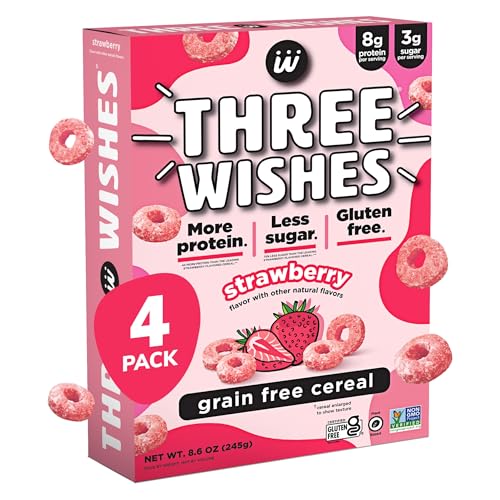
Three Wishes Strawberry Grain-Free Cereal 4 Pack
Three Wishes
Budget
Nature's Path Golden Turmeric Cereal – 6 boxes, gluten-free
Nature's Path
Budget
Cream of Rice Gluten Free Hot Cereal (14 oz) Pack of 12
Cream of Rice
Mid-Range
Three Wishes Grain-Free Strawberry Cereal
Three Wishes
Mid-Range
Nature's Path Heritage Flakes Cereal, 6-pack (32 oz each)
Nature's Path
Mid-Range
Ronzoni Jumbo Shells Pasta, 12 oz (3 pk)
Ronzoni
Budget
Magic Spoon Cinnamon Toast Cereal 4-Pack with Spoon
Magic Spoon
Budget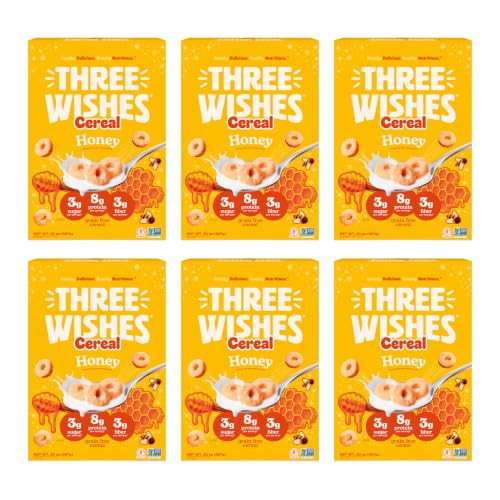
Three Wishes grain-free & protein cereal
Three Wishes
Mid-Range
Three Wishes grain-free protein cereal
Three Wishes
Mid-Range
Organic Creamy Wheat Hot C cereal, 24oz (4-pack)
Bob's Red Mill
Budget
Weetabix Whole Grain Cereal Biscuits (Pack of 6)
Weetabix
Mid-Range
Three Wishes Fruity Grain-Free & Protein Cereal
Three Wishes
Mid-Range
Nature's Path Organic Fruit Juice Corn Flakes Cereal, 26.4 oz (6 pk)
Nature's Path
Mid-Range
Nature's Path Mesa Sunrise Cereal (6x26.4 oz) — gluten free
Nature's Path
Mid-Range
Kellogg's Frosted Mini-Wheats Little Bites Cereal, Kids Family Breakfast
Frosted Mini-Wheats
Mid-Range
Julian Bakery ProGranola Cereal – Peanut Butter Cluster
Julian Bakery
Mid-Range
Seven Sundays Maple Sea Salt Sunflower Cereal, 8 oz (pack of 6)
Seven Sundays
Mid-Range
Lovebird gluten free cereal variety pack
Lovebird
Mid-RangeRoundups
Frequently Asked Questions
How do I choose a healthy cold cereal for daily eating?
Look at fiber (aim for 3+ grams per serving), added sugars (prefer under 6–8 grams), whole grain listing as the first ingredient, and protein content; also check for fortified vitamins/minerals if you rely on it for nutrients
What should I consider if I have dietary restrictions (gluten-free, low-sugar, keto, vegan)?
Check the ingredient list and allergen statement for gluten or cross-contact, compare sugar and net carb counts for low-sugar or keto needs, and confirm there are no animal-derived ingredients or honey for vegan diets; look for certified labels when available
How does price vary for healthier cold cereals and what budget should I expect?
Health-oriented and specialty cereals often cost more than conventional mass-market brands; in this category prices typically range from budget-friendly options under $10 per box to premium blends or bulk packs averaging higher, with an overall category average around $50 across offered product formats or bundle types
What key nutrition labels and claims are trustworthy to compare cereals?
Use the Nutrition Facts panel for concrete metrics (calories, fiber, sugars, protein, sodium), ingredient order for whole grains, and look for third-party certifications like 'gluten-free' or organic; front-of-package claims should be verified against the full label
How should I store cold cereal to maintain freshness and crunch?
Keep cereal in a cool, dry place in its original box sealed or transferred to an airtight container to protect against moisture and pests; avoid storing near heat sources or in humid areas
Are healthier cold cereals suitable for children and how to serve them appropriately?
Many higher-fiber, lower-sugar cereals are suitable for children when portion sizes match age-appropriate serving recommendations; pair with milk or yogurt and fruit for balanced protein and micronutrients, and monitor total daily sugar intake from all sources
What role do added vitamins and minerals play in choosing a cereal?
Fortification can help supply nutrients like B vitamins, iron, and vitamin D, especially when cereal is a regular part of breakfast, but it should complement a varied diet and not be the sole source of essential nutrients