Dried Buckwheat
Dried buckwheat listings for health and wellness use, including groats, flour, and kasha for gluten-free cooking and whole-grain nutrition. Nineteen products average 4.56 stars and span mid-range to premium prices (about $32–$110), with brands like PRIMAL HARVEST represented
Top Products

Skvira Roasted Buckwheat Groats 800 g (4 packs) - Kasha
Skvira
Budget
Skvira Roasted Buckwheat Groats 800 g
Skvira
Mid-Range
Buckwheat Groats Premium 800g - Kosher, Non-GMO
Makfa
Mid-Range
Skvira Roasted Buckwheat Groats 800 g (6 pack)
Skvira
Mid-Range
Russkoe Pole Premium Buckwheat Groats 900g Pack of 6
Russkoe Pole
Budget
Buckwheat Kasha, toasted groats - organic, non-GMO, kosher
Food to Live
Mid-Range
Dom a Toasted Buckwheat Groats (11lb) gluten-free, whole grain
DOMA
Mid-Range
Hulled Organic Buckwheat Kasha - Toasted - Non-GMO, Vegan
PRIMAL HARVEST
Mid-Range
Certified Organic Hulled Buckwheat Groats
PRIMAL HARVEST
Budget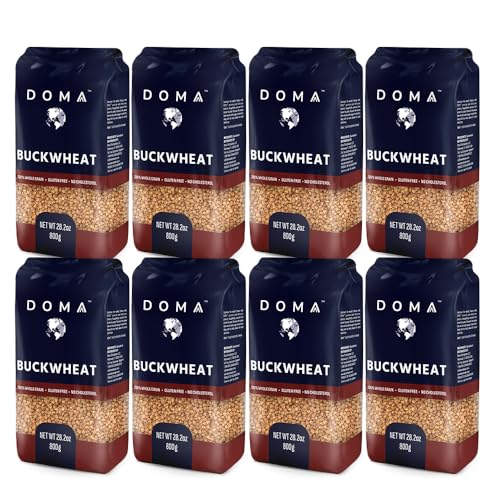
DOMA toasted buckwheat groats
DOMA
Mid-Range
Certified Organic Hulled Buckwheat Groats
PRIMAL HARVEST
Mid-Range
Hulled Buckwheat Groats, Organic & Non-GMO
PRIMAL HARVEST
Mid-Range
Organic Buckwheat Kasha (Toasted Whole Groats) 10 lb
Food to Live
Mid-Range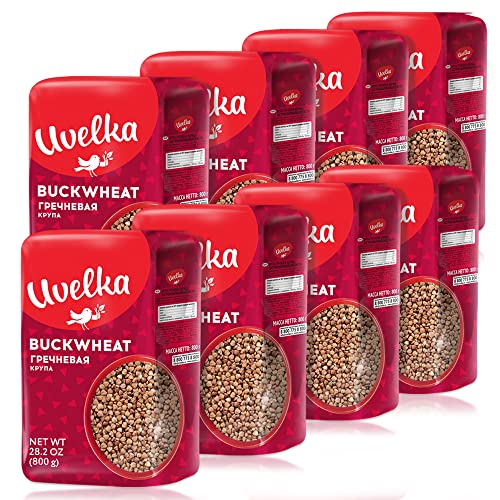
Uvelka buckwheat groats 800g pack of 8
Uvelka
Mid-Range
Organic Buckwheat Ramen - Gluten-Free & Vegan (5)
Big Green Organic Food
Mid-Range
Certified Organic Hulled Buckwheat Groats
PRIMAL HARVEST
Premium
Certified Organic Buckwheat Groats, non-GMO, raw
PRIMAL HARVEST
Premium
Certified organic hulled buckwheat groats
PRIMAL HARVEST
Premium
Certified Organic Buckwheat Groats, hulled, non-GMO
PRIMAL HARVEST
PremiumRoundups
- Best Dried Buckwheat for Camping Staple (2026)
- Best Dried Buckwheat for Breakfast Porridge (2026)
- Best Dried Buckwheat for Bulk Pantry Staple (2026)
- Best Dried Buckwheat for Breakfast Bowls (2026)
- Best Dried Buckwheat Under $200 (2026)
- Best Dried Buckwheat Under $100 (2026)
- Best Dried Buckwheat Under $50 (2026)
- Best Dried Buckwheat (2026 Guide)
Frequently Asked Questions
What is dried buckwheat and how is it different from buckwheat flour or groats?
Dried buckwheat typically refers to whole hulled buckwheat groats that have been cleaned and dehydrated; groats are the intact kernels while flour is ground groats. Groats have a firmer texture and longer cooking time than flour and are commonly used in porridges, salads, and pilafs
How do I choose between roasted (kasha) and raw buckwheat?
Roasted buckwheat, often labeled kasha, has a nutty, toasted flavor and cooks faster; raw (unroasted) groats have a milder taste and retain slightly more heat-sensitive nutrients. Choose roasted for a stronger flavor and convenience, and raw if you want to control toasting, soak it for sprouting, or preserve delicate enzymes
What should I look for on labels regarding quality and purity?
Look for product descriptions indicating 100% buckwheat or hulled groats, minimal added ingredients, and clear country or farm origin; certifications such as organic or non-GMO can be listed if important to you. Also check packaging date or best-by date and packaging type (vacuum-sealed or resealable bag) for freshness
How much dried buckwheat do I need and what is a typical price range?
A common purchase size ranges from 12 oz to 2 lbs; uncooked groats roughly double to triple in volume when cooked, so 1 cup dry yields about 2–3 cups cooked. In the Health & Wellness category, products often fall into a broad price range where budget options are under $20 and specialty or organic offerings can be higher; average listing prices in this category are around the mid-range
How do I store dried buckwheat to keep it fresh?
Store dried buckwheat in an airtight container in a cool, dark place for up to several months; refrigeration or freezing extends shelf life and helps prevent rancidity, especially for roasted groats or opened packages. Keep away from strong odors as buckwheat can absorb them
Are there common dietary considerations or allergens with buckwheat?
Buckwheat is naturally gluten-free and is a good choice for many on gluten-free diets, but check for cross-contamination warnings if you have celiac disease. Some people can have an allergic reaction to buckwheat proteins, so consult a healthcare provider if you have known food allergies
How do I cook dried buckwheat and what are typical uses?
Rinse groats, then simmer one part buckwheat to two parts water (or broth) for about 10–15 minutes for roasted groats and slightly longer for raw until tender; fluff and let rest off heat. Use cooked groats in porridges, salads, pilafs, as a rice substitute, or grind into flour for baking