Matcha Tea
This category covers ceremonial and culinary matcha powders, latte blends, and related accessories focused on health and wellness, with mid-range to premium pricing (about $32–$178, average $56). About 130 products are indexed with an average rating of 4.42; top brands include Jade Leaf Matcha
Top Products
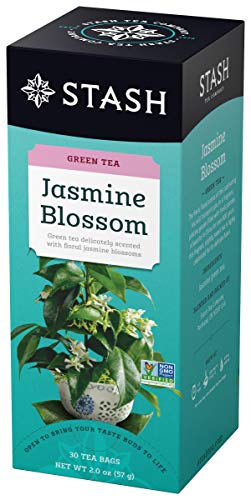
Stash Jasmine Blossom Green Tea
Stash
Budget
Jade Leaf Matcha Organic Ceremonial Grade Powder
Jade Leaf Matcha
Mid-Range
Jade Leaf Organic Ceremonial Matcha Powder
Jade Leaf Matcha
Mid-Range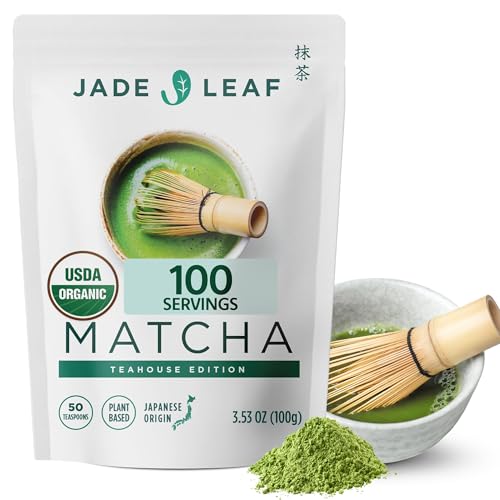
Jade Leaf Matcha Organic Ceremonial Grade, 3.53 oz
Jade Leaf Matcha
Mid-Range
Davidson's Matcha Green Powder, loose leaf tea, 16 oz
Davidson's
Budget
SEN CHA Naturals Organic Everyday Matcha Powder
SENCHA NATURALS
Budget
Traditional Medicinals Organic Green Tea Lemongrass (96 bags) 6-pack
Traditional Medicinals
Mid-Range
Tenzo Matcha Green Tea Powder – Organic Ceremonial Latte Mix
Tenzo Tea
Mid-Range
Naoki Matcha Organic Ceremonial First Spring Blend 100g
Naoki Matcha
Mid-Range
Ito En Matcha Green Tea Powder Unsweetened 12 Oz
ITO EN
Mid-Range
Organic Immunity Green Tea Super Refill
The Republic of Tea
Mid-Range
DoMatcha Organic Ceremonial Green Tea Matcha Powder
DoMatcha
Mid-Range
Tenzo Tea Matcha Green Tea Powder – Organic Ceremonial Grade
Tenzo Tea
Mid-Range
Crystal Light Raspberry Green Tea On-The-Go Powdered Drink Mix
Crystal Light
Mid-Range
Aiya Organic Culinary Grade Matcha Green Tea Powder 100g
AIYA SINCE 1888
Budget
Traditional Medicinals Organic Green Tea, Peppermint, 16 Teabags (Pack of 6)
Traditional Medicinals
Mid-Range
Sugimoto Tea Japanese Matcha Genmaicha Green Tea Bags 60 Count
SUGIMOTO TEA
Mid-Range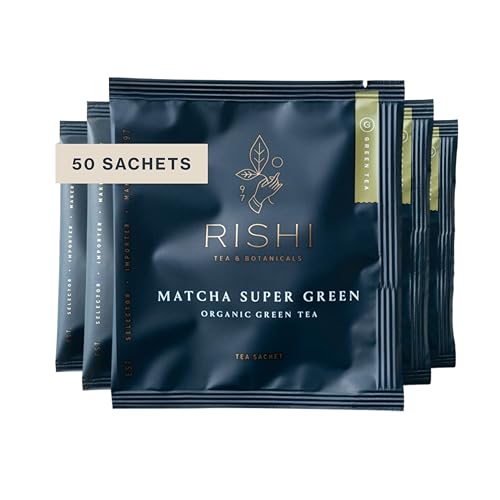
Rishi Tea Matcha Super Green Japanese Tea - Organic, Caffeinated Sachet Bags
Rishi Tea
Mid-Range
DoMatcha Summer Harvest Green Tea Matcha Powder
DoMatcha
Mid-Range
Crafti ceremonial grade matcha powder 100 servings
Crafti
Mid-Range
Naoki Matcha Ceremonial Grade - Uji Kyoto, 100g
Naoki Matcha
Mid-Range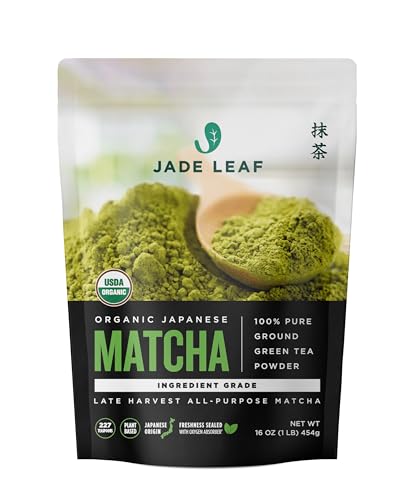
Jade Leaf Matcha Organic Ceremonial Grade Powder
Jade Leaf Matcha
Mid-Range
Matcharl Kyoto Uji ceremonial grade matcha powder
Matcharl
Budget
ITO EN Oi Ocha Green Tea, Sugar Free, 2L Bottle (Pack of 6)
ITO EN
Mid-RangeRoundups
Frequently Asked Questions
How do I choose between ceremonial and culinary matcha?
Ceremonial matcha is stone-ground from younger tea leaves and is milder with a finer texture, suited for drinking straight as a whisked tea; culinary matcha uses more mature leaves with a stronger, more bitter flavor designed for lattes, smoothies, and baking
What should I look for on the label to ensure quality?
Look for indications of grade (ceremonial vs culinary), origin (e.g., Japan regions like Uji, Nishio), bright green color, stone-ground or fine powder description, and certifications such as organic; avoid vague terms like simply 'green tea powder' without origin or grade
How much should I expect to pay for matcha and are higher prices justified?
Prices vary widely; budget options are commonly under $50 while premium ceremonial grades can cost significantly more; higher prices often reflect origin, leaf selection, shading practices, and milling method, which influence flavor and texture
How should I store matcha to keep it fresh?
Store matcha in an airtight, opaque container away from heat, light, moisture, and strong odors; for longer storage, keep unopened or spare portions refrigerated in a sealed container and bring to room temperature before opening to avoid condensation
How do I prepare traditional whisked matcha?
Sift 1–2 teaspoons of matcha into a bowl, add about 60–80 ml of hot water (around 70–80°C / 158–176°F), whisk briskly in an M or W motion until frothy, then dilute with additional hot water to taste for thin or thick styles
Are there health differences between ceremonial and culinary matcha?
Both types contain similar nutrients and antioxidants, but ceremonial-grade matcha tends to be made from younger leaves with a smoother taste, which may encourage drinking it straight; caffeine and catechin content can vary by leaf maturity and processing rather than label alone
What accessories or tools are worth buying with matcha?
A small sifter to prevent clumps, a bamboo whisk (chasen) for proper frothing, and a small bamboo scoop (chashaku) are helpful for traditional preparation; a fine-mesh strainer and electric milk frother work well for lattes or culinary uses