Plant-Based Milk
Plant-Based Milk in Health & Wellness covers nondairy milks and creamers made from nuts, seeds, legumes, and grains for dietary or lifestyle needs. The 16 indexed products average a 4.44 rating and mid-range pricing; brands include Ripple and Elmhurst among others. Expect options from budget to premium plant-based milk alternatives
Top Products

Ripple plant-based milk, shelf-stable pea protein 8g (32 oz pack of 6)
Ripple
Budget
Ripple Plant-Based Milk with 8g pea protein, shelf-stable
Ripple
Budget
Milkadamia Macadamia Milk - Creamy (32 Fl Oz) - Pack of 6
Milkadamia
Budget
Ripple Plant-Based Milk with 8g pea protein (32 oz) – shelf stable, dairy-free
Ripple
Mid-Range
Ripple Unsweetened Original Plant-Based Milk (Shelf Stable) 32 fl oz, 6-pack
Ripple
Budget
Elmhurst 1925 chocolate oat milk, 32 oz, pack of 6
Elmhurst
Mid-Range
Elmhurst Almond Milk Barista Edition 32oz (6-Pack)
Elmhurst
Mid-Range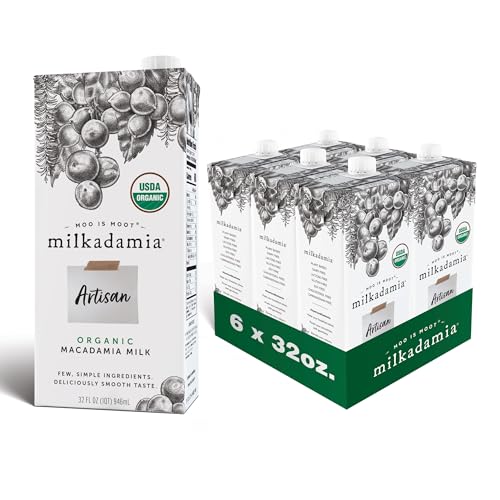
Milkadamia Macadamia Milk, Kosher, Organic, Gluten Free & Non-GMO (32 oz, pack of 6)
Milkadamia
Budget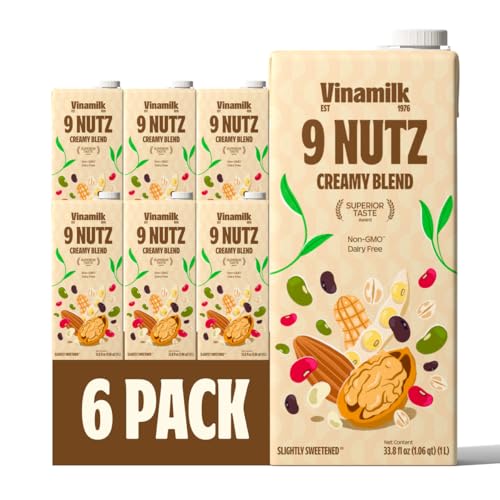
Vinamilk 9 Nutz Creamy Blend Plant-Based Milk (Pack 6)
VINAMILK EST 1976
Mid-Range
Elmhurst Walnut Milk, unsweetened, 32 oz (pack of 6)
Elmhurst
Mid-Range
Sangaria Strawberry Milk, Japan, 8.96 fl oz (24 pack)
Sangaria
Mid-Range
Kiki Milk Plant Based Milk Organic Original (32 oz, pack of 6)
Kiki Milk
Mid-Range
Tache Unsweetened Pistachio Milk Barista Creamer
Tache
Mid-Range
Kiki Milk Plant-Based Mac Nut Seed Milk - Organic (32 oz x 6)
Kiki Milk
Mid-Range
Z Natural Foods Unsweetened Cashew Milk Powder
Z Natural Foods
Mid-Range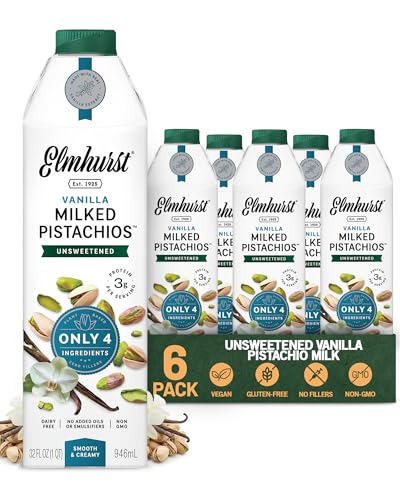
Elmhurst Vanilla Pistachio Milk (Unsweetened) 32 oz, pack of 6
Elmhurst
Mid-RangeRoundups
Frequently Asked Questions
How do I choose the right plant-based milk for nutrition and taste?
Compare base ingredients (soy, almond, oat, pea, macadamia) for protein, fat, and allergens; check added sugars and fortification for calcium, vitamin D, and B12; taste varies by base and barista or unsweetened formulas—try small packages first when possible
Which plant-based milks are best if I want higher protein?
Pea-protein and soy-based milks typically offer the highest protein per serving and are closer to cow's milk levels, while nut and oat milks usually contain less protein unless fortified or blended with additional protein sources
Are plant-based milks suitable for baking and coffee?
Oat and barista-style oat or almond milks tend to perform well in coffee for frothing and crema, while thicker milks like full-fat coconut or cashew work well for baking and adding richness; check formulations labeled 'barista' for steamed milk use
How should I store plant-based milk and how long does it last after opening?
Unopened shelf-stable cartons can be stored at room temperature until the printed date; refrigerate after opening and use within 7–10 days for most brands, following any manufacturer guidance on the package for best quality
What should I look for if I have allergies or sensitivities?
Read ingredient lists for common allergens (soy, tree nuts, peanuts, gluten in some oat blends) and choose certified allergen-free or single-ingredient options; look for 'gluten-free' or 'made in a nut-free facility' statements when needed
How do price and quality typically relate across plant-based milks?
Prices vary by base, processing, and fortification; basic shelf-stable cartons are usually more economical while single-origin nuts, cold-pressed, or specialty barista blends tend to cost more—expect average category pricing to reflect formulation and brand positioning
Do plant-based milks provide the same nutrients as dairy milk?
Nutrient profiles differ: many plant milks are lower in protein and naturally lacking in calcium and vitamin B12 unless fortified; check labels for fortification and adjust diet or choose fortified options to meet specific nutrient needs