Food Science (Books)
Books on food science covering home-centered topics like preservation, fermentation, sensory analysis, and kitchen-based experiments. The 18 indexed titles skew mid-to-premium (average $115) with an average rating of 4.72 and contributors such as Geoff Tansey among notable authors
Top Products

Food Fix: How to Save Health, Economy, Communities, and Planet
Dr. Mark Hyman MD
Budget
The Meat Business (Routledge Library Editions: Food Supply and Policy)
Geoff Tansey, Joyce D'Silva
Budget
Food Freezing and Thawing Calculations
Q. Tuan Pham
Mid-Range
Milk and Milk Products: Technology, chemistry and microbiology
A. H. Varnam
Mid-Range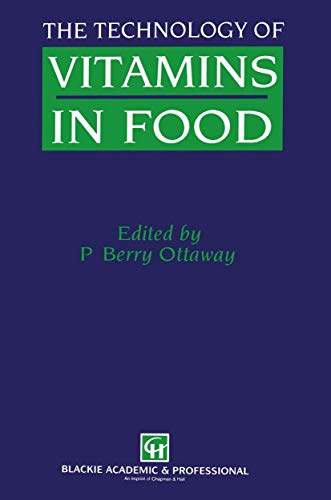
The Technology of Vitamins in Food
P. Berry Berry Ottaway
Mid-Range
Die Headspace-Gaschromatographie als Analysen- und Memethode (German Edition)
Horst Hachenberg, Konrad Beringer
Mid-Range
Concentration and Power in the Food System (Revised Edition)
Philip H. Howard
Mid-Range
Bee Genetics and Breeding
T E Rinderer
Mid-Range
Brewing Science: A Multidisciplinary Approach
Michael Mosher, Kenneth Trantham
Mid-Range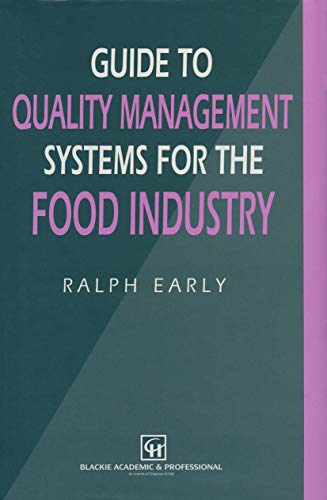
Guide to Quality Management Systems for the Food Industry
Ralph Early
Mid-Range
Veganism: Politics, Practice, and Theory
Eva Haifa Giraud
Mid-Range
Frankenstein Was a Vegetarian: Essays on Food Choice, Identity, and Symbolism
Michael Owen Jones
Mid-Range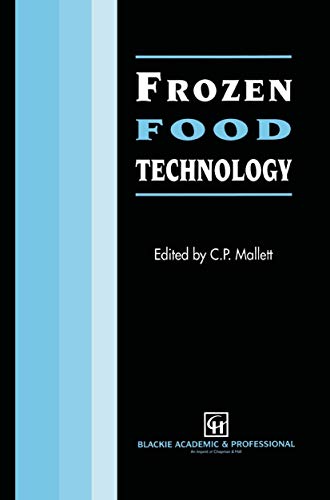
Frozen Food Technology
C.P. Mallett
Premium
Concentration and Power in the Food System (Contemporary Food Studies: Economy, Culture and Politics)
Philip H. Howard, Michael K. Goodman, David Goodman
Premium
The Meat Business (Routledge Library Editions: Food Supply and Policy)
Geoff Tansey, Joyce D'Silva
Premium
Steeped in Heritage: The Racial Politics of South African Rooibos Tea
Sarah Fleming Ives
Premium
Shelf Life Assessment of Food (Food Preservation Technology)
Maria Cristina Nicoli
Premium
Safety of Meat and Processed Meat (Food Microbiology and Food Safety)
Fidel Toldra
PremiumRoundups
Frequently Asked Questions
How do I choose the right food science book for home comfort and decor purposes?
Look for books that focus on practical techniques relevant to home use—preservation, fermentation, flavor pairing, and edible design—check the table of contents for step-by-step recipes and visual guidance, and choose an author with credentials or a background in food science or culinary practice
What price range should I expect for food science books in this category?
Books in this niche commonly range from budget paperbacks under $30 to higher-priced hardcover or illustrated volumes; an average price for the category is in the low hundreds, reflecting specialty content and production quality
Are illustrated or photography-heavy food science books worth the extra cost?
Yes for many shoppers: high-quality photos and diagrams make techniques easier to follow, aid in visual learning for plating or decor projects, and can justify higher production costs if you rely on visual instruction
What should I look for in terms of technical depth and accessibility?
Decide whether you want introductory explanations and straightforward recipes for home application or more technical texts with scientific explanations; many books balance both by offering clear practical steps alongside short science notes
How can I assess the reliability of the methods and recipes in a food science book?
Check the author's credentials, look for books that cite sources or offer tested recipes, read sample pages or reviews emphasizing reproducibility, and prefer editions that include measurements, temperatures, and troubleshooting tips
Do these books require special equipment or ingredients for home projects?
Some projects in food science books use common kitchen tools, while others recommend specialized equipment (e.g., pH meters, vacuum sealers, immersion circulators); good books indicate necessary versus optional tools and suggest substitutions when possible
How should I care for and store a reference food science book to keep it usable in the kitchen?
Store books upright in a dry place away from direct heat and moisture, consider using a wipeable dust jacket or plastic cover if you reference them while cooking, and keep a separate notebook or digital copy for notes to avoid marking the original