Paring Knives
Paring knives for precise peeling, trimming, and intricate prep work, offered in steel and ceramic styles across budget through premium price tiers (avg $56). This category includes 51 indexed products with an average rating of 4.65 and brands like HENCKELS among top manufacturers
Top Products

Victorinox paring knife set, 3.25 in straight edge (green)
Victorinox
Budget
Victorinox Swiss Classic Paring Knife Set
Victorinox
Mid-Range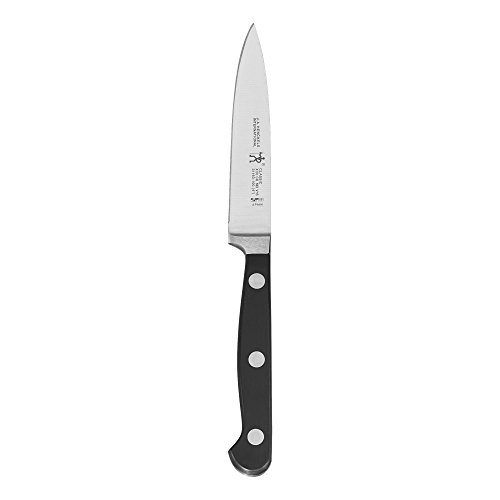
HENCKELS 4-inch paring knife, German engineered
HENCKELS
Budget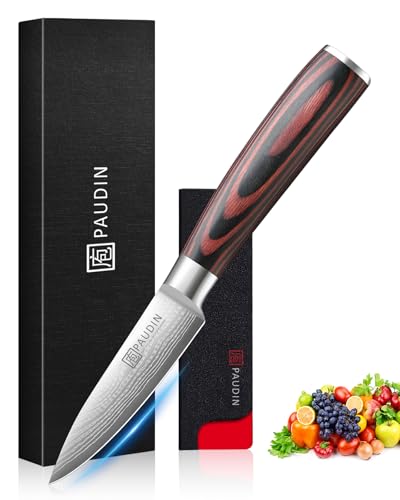
Paring Knife 3.5 Inch, High Carbon Stainless Steel with Wood Handle
PAUDIN
Budget
Kyoku 3.5" Paring Knife – Samurai Series, Pakkawood Handle
KYOKU
Budget
Forged Accent Razor-Sharp 2-pc Paring Knife Set, German Engineered
HENCKELS
Budget
ZWILLING Twin Signature 4-inch German Paring Knife
HENCKELS
Budget
Dalstrong paring knife - 3.5 inch, Gladiator forged high-carbon German steel
Dalstrong
Mid-Range
Dalstrong 3.5" Gladiator Paring Knife with Sheath
Dalstrong
Mid-Range
Cutluxe Paring Knife Set – 4" and 3" ergonomic blades
Cutluxe
Mid-Range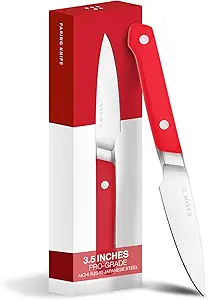
Misen 3.5-Inch Precision Paring Knife
Misen
Mid-Range
COLORI+ paring knives set (3) with safety sheaths
Kuhn Rikon
Budget
Sunnecko 3.5 Inch Paring Knife with 67-layer Damascus VG-10 Blade
Sunnecko
Mid-Range
5-Inch Paring Knife with VG-10 Damascus Blade, wooden handle
aisyoko
Budget
5 inch Japanese Paring Knife with Rosewood Handle
FAMCUTE
Mid-Range
Misen 3.5" Paring Knife with high-carbon stainless steel blade
Misen
Mid-Range
Misen 3.5" Paring Knife with High-Carbon Stainless Steel Blade
Misen
Mid-Range
5 inch Damascus Paring Knife with VG10 steel, blue resin handle
Fukep
Mid-Range
Kyocera 3" Revolution Series Paring Knife, Black Blade
KYOCERA
Budget
SHAN ZU Damascus Paring Knife 4 Inch with G10 Handle
SHAN ZU
Mid-Range
Sunnecko Paring Knife 5.5 Inch with Rosewood Handle
Sunnecko
Budget
All-Clad 3.5-inch paring knife (fully forged) - stainless steel
All-Clad
Mid-Range
All-Clad Forged Curved 3.5" Paring Knife
All-Clad
Mid-Range
Wusthof Gourmet 3 Inch Paring Knife
Wusthof
Mid-RangeRoundups
Frequently Asked Questions
What should I look for when choosing a paring knife?
Choose a comfortable handle and a blade length (typically 2.5–4 inches) that suits your tasks; prefer high-carbon stainless steel for edge retention and corrosion resistance, and consider full-tang construction for balance and durability
How do blade types and steel affect performance?
Harder steels hold a sharper edge longer but can be more brittle and harder to sharpen; stainless steels resist rust but may require more frequent honing; look for the steel grade or a reputation for edge retention when possible
What are the common uses for a paring knife versus other knives?
Paring knives are intended for small, precise tasks like peeling, trimming, deveining shrimp, and intricate cutting, while larger chef or utility knives are better for chopping, slicing, and handling larger ingredients
How should I care for and sharpen a paring knife?
Hand-wash and dry immediately to prevent corrosion, hone regularly with a honing rod to maintain the edge, and sharpen with a whetstone or a guided sharpener when the edge dulls; avoid dishwashers and cutting on hard surfaces like glass or stone
What price range should I expect and does higher price always mean better?
Paring knives commonly range from budget options under $50 to premium models over $100; higher price often reflects materials, fit-and-finish, and brand reputation, but a mid-priced knife from a respected maker can offer excellent performance for many users
Should I choose a stamped or forged paring knife?
Stamped blades are cut from sheet steel and are usually lighter and less expensive, while forged blades are shaped from heated steel and often offer better balance and durability; either can perform well depending on steel quality and construction
What handle materials are best for kitchen use?
Common handle materials include wood (comfortable and attractive but needs more care), stabilized wood or composites (durable and moisture-resistant), and synthetic polymers (low-maintenance and slip-resistant); choose based on grip preference and maintenance willingness