Pressure Cookers
Pressure cookers for stovetop and electric use, ranging from compact models to heavy-duty units for canning and large families. The category spans budget through premium options (about $37–$650, average $135) with brands like Presto among the most represented. Average customer rating across 92 products is 4.47
Top Products

Presto stainless steel pressure cooker, 4-quart
Presto
Mid-Range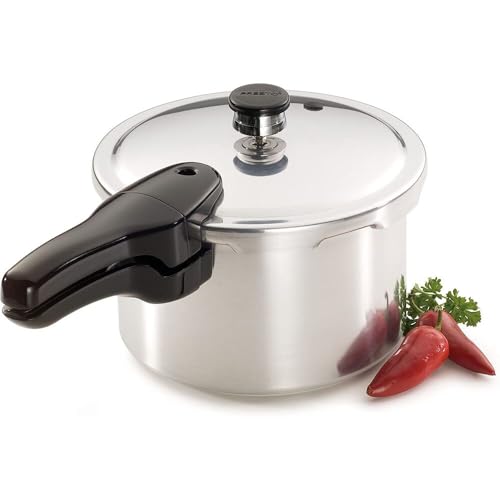
Presto 4-Quart Aluminum Pressure Cooker
Presto
Mid-Range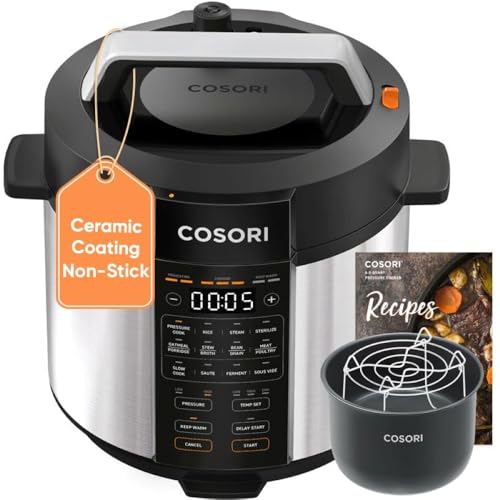
COSORI 6QT Pressure Cooker 9-in-1 Stainless
COSORI
Mid-Range
Presto 6-Quart Aluminum Pressure Cooker
Presto
Mid-Range
Presto 6-Quart Stainless Steel Pressure Cooker
Presto
Premium
COSORI 9-in-1 Multi Cooker, 6 qt Electric Pressure Cooker
COSORI
Premium
Presto 23 qt Pressure Canner and Cooker
Presto
Premium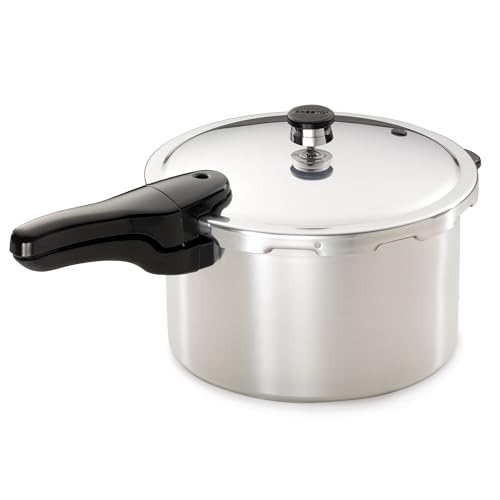
Presto 8-Quart Aluminum Pressure Cooker
Presto
Mid-Range
Trendy Stainless Steel Pressure Cooker, 8.5 Qt, Induction
Tefal
Premium
Hawkins 4 Litre Classic Pressure Cooker
HAWKINS
Mid-Range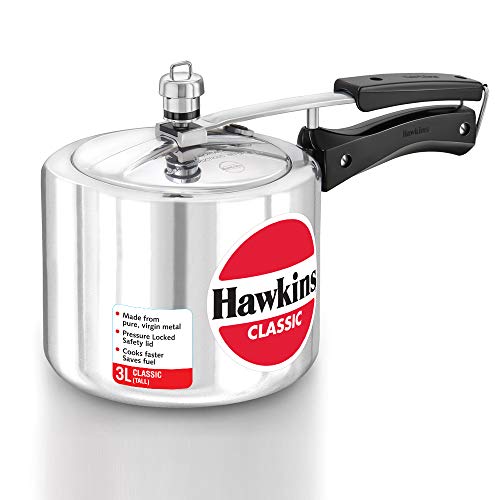
Hawkins aluminium 3 Litre pressure cooker
HAWKINS
Mid-Range
Universal 3.7 Qt Ultra Pressure Cooker – aluminum
universal
Mid-Range
IMUSA 7-Quart Stovetop Pressure Cooker
Imusa
Mid-Range
Presto 6-Quart Pressure Cooker (Stainless & Aluminum)
Presto
Premium
Presto aluminum pressure cooker set (4-qt & 8-qt)
Presto
Premium
Presto 8-Quart Stainless Steel Pressure Cooker
Presto
Premium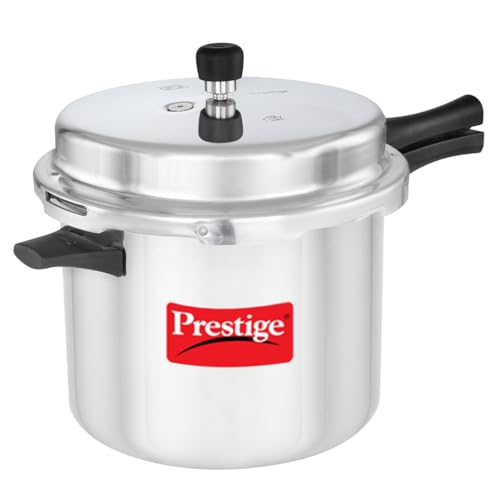
Prestige aluminium pressure cooker, 10 liters
Prestige
Mid-Range
T-fal 8 Qt Stainless Steel Pressure Cooker
T-Fal
Premium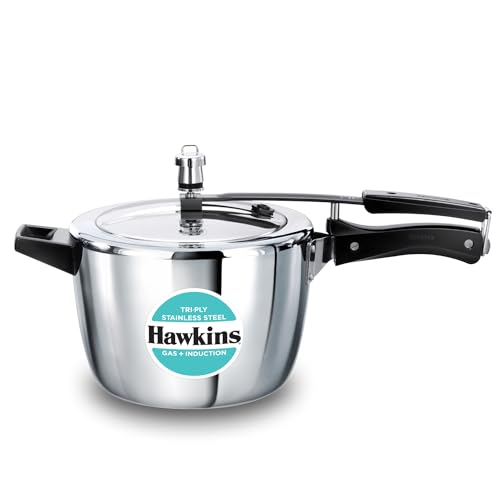
Hawkins Triply Stainless Steel Pressure Cooker, 4.5L
HAWKINS
Mid-Range
Hawkins 12 Litre Classic Pressure Cooker
HAWKINS
Mid-Range
T-fal 6.3 qt stainless steel pressure cooker
T-Fal
Premium
Universal 6.3 Qt/6 L Aluminum Pressure Cooker
universal
Mid-Range
Prestige Popular Aluminum Pressure Cooker (5 L)
Prestige
Mid-Range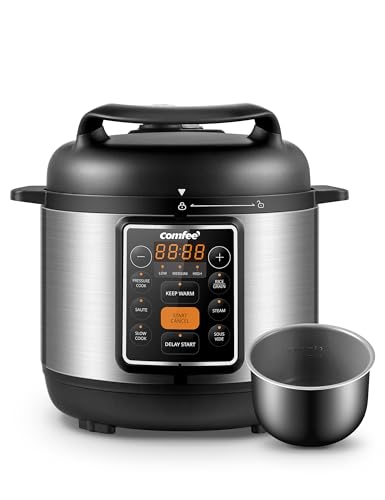
COMFEE 7-in-1 small electric pressure cooker and more
COMFEE'
Mid-RangeRoundups
Frequently Asked Questions
How do I choose the right size pressure cooker for my household?
Choose by capacity: 2–4 quarts for singles/couples and side dishes, 6–8 quarts for families of 3–5 and most one-pot meals, and 8+ quarts for large batches or meal prep. Consider stovetop vs. electric models too—stovetop often heats faster for small volumes while electric units offer preset programs for convenience
What are the main differences between stovetop and electric pressure cookers?
Stovetop models typically reach higher pressures and heat faster, giving better browning and faster cook times; electric models have built-in timers, safety locks, and preset programs for hands-off cooking. Stovetop units are usually simpler and lighter, while electric units cost more but add convenience features and steady temperature control
What safety features should I look for in a pressure cooker?
Look for multiple independent safety mechanisms such as a locking lid that prevents opening under pressure, a pressure release valve, a secondary safety valve, and a gasket-release or overpressure plug. Clear instructions for manual pressure release and indicators showing when pressure is present are also important
How much should I expect to spend on a quality pressure cooker?
Prices vary widely: budget stovetop models and small electric units can start under $50, mid-range units commonly fall between $50 and $200, and high-end or large-capacity models can exceed that range. The average across many pressure cooker listings is around the low hundreds
What maintenance and cleaning do pressure cookers require?
Clean the inner pot and lid after each use, remove and wash the gasket and pressure valve components per manufacturer instructions, and inspect the gasket for cracks or hardening periodically. Store with the lid inverted or slightly ajar to prevent odors and replace worn gaskets as needed
Can I brown or sauté ingredients in a pressure cooker before sealing it?
Yes—most stovetop models can brown directly on the stovetop; many electric pressure cookers include a sauté or sear function for browning in the inner pot before pressure cooking. Ensure the pot and insert materials are suitable for high-heat searing to avoid damage
Will pressure cooking affect nutrition and texture of food?
Pressure cooking preserves nutrients by reducing cooking time and using less water compared with long boiling; it also breaks down connective tissues quickly, yielding tender meats and soft legumes, though delicate vegetables can overcook if left under pressure too long