Circular Saw Blades
Circular saw blades for wood, metal and multi-material cutting, including carbide-tipped, diamond and demolition styles, sized for handheld and table saws. The niche lists 137 products with an average rating of 4.53 and price tiers from about $33 to $450, featuring brands such as Freud and Diablo
Top Products

Diablo 10" 50T ATB Combo Saw Blade with 5/8" Arbor
Diablo
Mid-Range
Freud 8" x 22T Thin Kerf Rip Blade
Freud
Mid-Range
Apex 10-Inch 80-Tooth Carbide-Tipped Woodworking Saw Blade
WEN
Budget
Diablo PCD Tipped Fiber Cement Saw Blade 7-1/4" x 4T
Diablo
Mid-Range
DEWALT Miter Saw Blade Combo Pack 12 Blades
DEWALT
Mid-Range
Freud Thin Kerf Rip Saw Blade with TiCo Carbide, 10" 24T
Freud
Mid-Range
Freud 8" Thin Kerf Combination Blade LU83R008
Freud
Mid-Range
Freud 10" Heavy-Duty Rip Saw Blade with TiCo Carbide 24T, 5/8" Arbor
Freud
Mid-Range
Freud 8" x 24T Heavy-Duty Rip Blade
Freud
Mid-Range
Diablo 12" wood saw blade with 60 teeth, 1" arbor
Diablo
Mid-Range
Freud LU88R008 8" x 48T Thin Kerf Crosscut Blade
Freud
Mid-Range
7-1/4 inch circular saw blade with carbide teeth, 24T, 5/8
Revvstark
Mid-Range
DEWALT 10 in 80T Saw Blade for clean cuts
DEWALT
Budget
Luckyway 12 inch miter saw blades 32T & 80T 1in arbor
Luckyway
Budget
Freud LU88R009 9" Thin Kerf Crosscut Blade
Freud
Mid-Range
WEN 10-Inch Carbide-Tipped Wood Saw Blades (80T, 32T/60T)
WEN
Mid-Range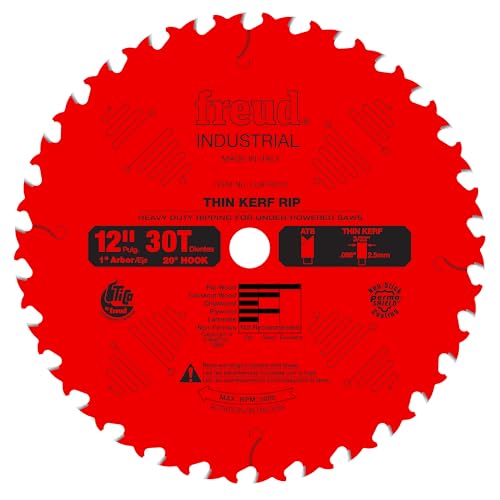
Freud LU87R012 12" x 30T Thin Kerf Rip Blade
Freud
Mid-Range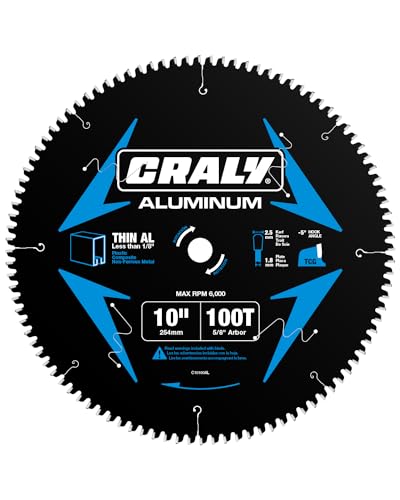
CRALY 10 inch carbide tipped circular saw blade
CRALY
Budget
Freud 10" TiCo kerf combination saw blade, 50T, comb grind LU83R010
Freud
Mid-Range
CRALY 12" 100T carbide circular saw blade, 1" arbor, thin kerf
CRALY
Budget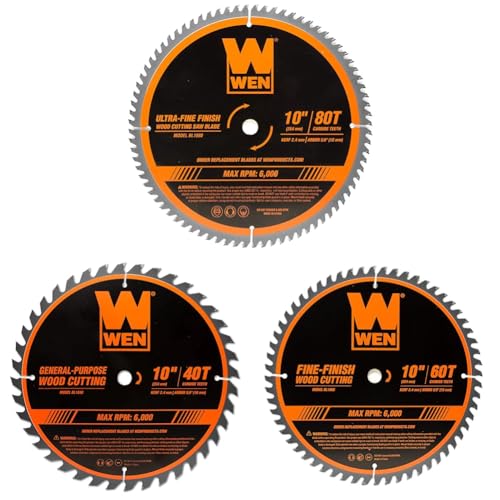
WEN 10in carbide-tipped circular saw blades
WEN
Mid-Range
Diablo HardieBlade Saw Blade for Fiber Cement – 10"
Diablo
Mid-Range
CRALY 12 in Carbide Tipped Aluminum Cutting Saw Blade
CRALY
Mid-Range
CRALY 12 Inch Carbide Tipped Circular Saw Blade, 40/80T, 1 in Arbor
CRALY
Mid-RangeRoundups
Frequently Asked Questions
How do I choose the right blade diameter and arbor size for my circular saw?
Match the blade diameter and arbor hole to your saw’s specifications listed in the owner's manual; common diameters are 7-1/4" for portable saws and 10" or 12" for table or miter saws, and some blades include reducer rings to fit different arbor sizes
What tooth count and tooth type should I pick for cutting wood, plywood, or metal?
For crosscutting wood and plywood choose blades with higher tooth counts (60–80+ TPI for fine cuts) and alternating top bevel (ATB) teeth; for ripping lumber use low-tooth-count blades (24–30 teeth) with flat-top grind (FTG); for non-ferrous metal use blades specifically labeled for metal with appropriate carbide tips and higher tooth counts
How do carbide-tipped and steel blades compare in performance and lifespan?
Carbide-tipped blades retain sharpness longer and cut faster with cleaner edges, making them suited for frequent use and tougher materials; full-steel or high-speed steel blades are cheaper but dull faster and are best for occasional light-duty cuts
What blade features affect cut quality and noise (e.g., kerf, anti-vibration slots, coating)?
A thin kerf removes less material and reduces motor load while a full kerf offers more stability; anti-vibration slots or expansion cuts reduce noise and wobble for cleaner cuts; coatings (like anti-resin or non-stick) help repel pitch buildup and can extend cutting performance
How should I maintain and store circular saw blades to maximize life and safety?
Keep blades clean of pitch and resin using a blade-safe cleaner, avoid overheating by using the correct speed and feed rate, inspect for damaged or missing teeth before use, and store blades flat or hung in a dry place to prevent warping and corrosion
When is it better to replace a blade versus having it sharpened?
Have carbide-tipped blades professionally sharpened when teeth are intact but dull for cost-effective renewed performance; replace blades if teeth are chipped/missing, the carbide tips are worn away, or if repeated sharpening would leave too little material on the tips
What safety considerations should I follow when changing and using circular saw blades?
Always unplug the saw or remove the battery before changing blades, use proper blade guards and a riving knife where applicable, wear eye protection and hearing protection, and ensure the blade is properly tightened and rated for the saw’s RPM before cutting