Copper Tubes
Copper Tubes in Tools & Industrial covers rigid and flexible copper piping used for plumbing, HVAC, refrigeration, and brazing applications. Listings include bare and coated tube options across budget to mid-range prices (avg $92), with brands such as BELLA BAYS represented
Top Products

Copper Tubing 3/4 in OD x 5 ft seamless coil
BELLA BAYS
Budget
BELLA BAYS Copper Tubing 1/4" OD x 0.195" ID 25 ft
BELLA BAYS
Mid-Range
Copper Tubing 5/8 in OD x 0.562 in ID 10 ft Seamless Coil
BELLA BAYS
Mid-Range
Copper Tube 1/2" OD x 7/16" ID 10 ft, soft seamless tubing
XIFOWE
Budget
BELLA BAYS Copper Tubing 3/4 in. OD x 10 ft – seamless coil
BELLA BAYS
Mid-Range
Copper Tubing 1/4 in OD x 0.187 in ID, 50 ft seamless coil
BELLA BAYS
Mid-Range
BELLA BAYS Copper Tubing 3/8 in OD x 0.320 in ID, 25 ft
BELLA BAYS
Mid-Range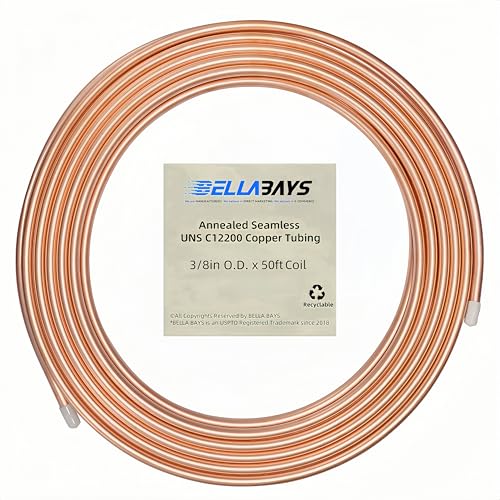
BELLA BAYS Copper Tubing 3/8" OD x 0.320" ID x 50 ft
BELLA BAYS
Mid-Range
Copper Tubing 1/4 in OD x 3/16 in ID 25 ft, 1/32 in wall, TP2 C12200 seamless refrigerant tubing
XSKLBZA
Budget
Copper Tubing 3/4 in OD x 25 ft seamless coil
BELLA BAYS
Mid-Range
Copper Tubing 3/8" OD x 0.328" ID, 25 ft, seamless
YullSorom
Mid-Range
Copper Tube 1/2 in OD x 7/16 in ID x 10 ft
Yaocom
Budget
GOORY Copper Tubing 1/2 in OD x 0.445 in ID 10 ft
GOORY
Budget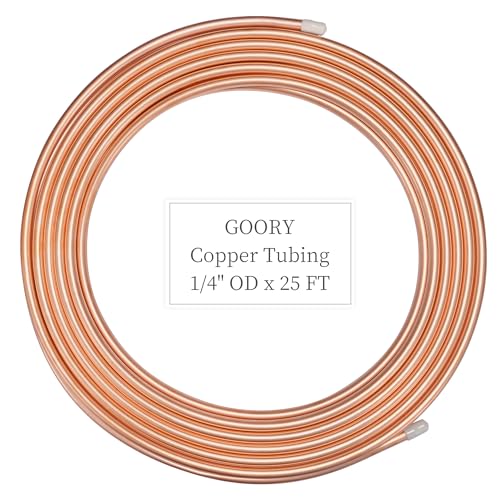
GOORY Copper Tubing 1/4" OD x 0.195" ID x 25 ft
GOORY
Mid-Range
Copper tubing 1/2 in OD x 7/16 in ID, 10 ft, 0.8 mm wall
exablo
Mid-Range
GOORY Copper Tubing 3/4 OD x 0.687 ID 5 Ft Seamless Coil
GOORY
Budget
GOORY Copper Tubing 3/4 in OD x 0.687 in ID, 10 ft
GOORY
Mid-Range
Copper Tubing 3/8 in OD x 5/16 in ID x 25 ft, 1/32 in wall
XSKLBZA
Mid-Range
BELLA BAYS Copper Tubing 5/8 in OD x 0.562 in ID, 50 ft coil
BELLA BAYS
Premium
GOORY Copper Tubing 1/4 in OD x 0.187 in ID 50 ft
GOORY
Mid-Range
GOORY Copper Tubing 3/8 in OD x 0.328 in ID, 50 ft
GOORY
Mid-Range
GOORY Copper Tubing 5/8 in OD x 0.57 in ID, 20 ft
GOORY
Mid-Range
BELLA BAYS Copper Tubing 1/2" OD x 20 ft seamless coil
BELLA BAYS
Mid-Range
Copper tube 1/2 in OD x 7/16 in ID, 50 ft soft seamless tubing
XIFOWE
PremiumRoundups
Frequently Asked Questions
How do I choose the right diameter and wall thickness of copper tubing for my project?
Select tubing diameter based on required flow rate and fittings: common sizes are 1/8" to 2" nominal. Choose wall thickness (Type K, L, M or express as OD/ID) according to pressure requirements and local plumbing codes—Type K has the thickest wall for high pressure, Type M is thinner for low-pressure applications
What are the main types of copper tube and which applications are they suited for?
Copper tube types include soft-drawn (annealed) for bending and refrigeration/air conditioning, hard-drawn for structural and rigid plumbing, and coded types like K, L, and M for potable water and buried lines; use annealed for brazing/sweating and harder tube for flared or compression fittings
Are copper tubes compatible with common joining methods and fittings?
Yes—copper works with soldering (sweat), brazing, compression fittings, flare fittings, and push-to-connect fittings; ensure the tube type and wall thickness match the fitting specification and follow proper cleaning and fluxing procedures for solder/braze joints
How should I size my copper tube run to avoid pressure drop and noise?
Minimize pressure drop by using the largest practical diameter for long runs and avoiding unnecessary bends and restrictions; consult flow tables or a plumber for flow rate vs. pressure loss—larger diameter reduces noise from high velocity and cavitation
What factors affect the durability and corrosion resistance of copper tubing?
Durability depends on alloy (C12200, C11000, etc.), water chemistry (high pH, chlorides, ammonia increase corrosion risk), exposure to dissimilar metals (use dielectric unions), and environmental conditions like soil acidity for buried lines; choose appropriate alloy and protective coatings where needed
How do I store and handle copper tubing to prevent damage before installation?
Store coils and straight lengths on a flat surface or racks to prevent kinks and dents, keep ends capped to avoid debris, and avoid dropping or dragging against abrasive surfaces; annealed tubing should be supported to maintain shape
What should I consider when budgeting for copper tubing projects?
Budget for tube length, required types/sizes, fittings and joining supplies (solder/brazing or fittings), tools (cutters, benders, torches), and potential labor; copper tubing prices vary by gauge and length, with average-category products often falling in the mid-price range