D Printers
Desktop and industrial 3D printers for hobbyists, prototyping, and light manufacturing, including FDM and resin models. The category spans budget through premium options (about $40–$1,569, avg $459) with 119 products and a 4.23 average rating. Popular brands include Creality and FLASHFORGE
Top Products

ELEGOO Mars 3 MSLA 3D Printer with 6.66" Ultra 4K Mono LCD
ELEGOO
Premium
ELEGOO Mercury X Bundle: Wash & Cure Machine for Large Resin Prints
ELEGOO
Premium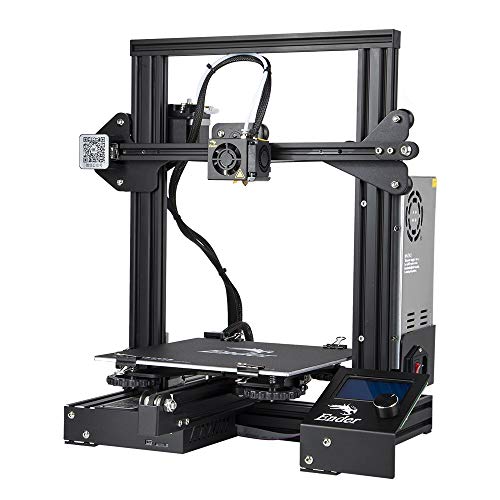
Ender 3 3D Printer Open Source DIY Build
Comgrow
Premium
ANYCUBIC Photon Mono 2 3D Printer
ANYCUBIC
Premium
Kobra 2 Neo 3D Printer with auto-leveling and fast 250mm/s
ANYCUBIC
Premium
Creality K1 SE 3D Printer with CoreXY Auto Leveling
Comgrow
Premium
Asani Fully Assembled Mini 3D Printer Starter Kit
Asani
Premium
Ender 3 V3 KE 3D Printer with Sprite Direct Extruder
Comgrow
Premium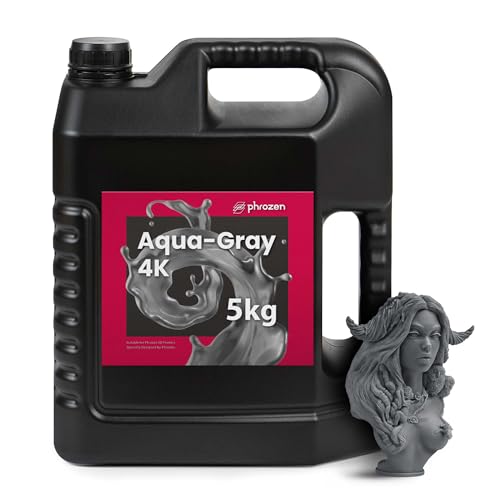
phrozen Aqua 4K Resin for 405nm LCD printers
phrozen
Premium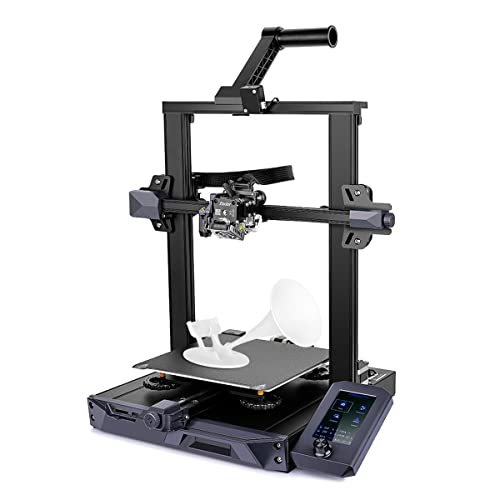
Creality Ender-3 S1 3D Printer with direct drive extruder
Creality
Premium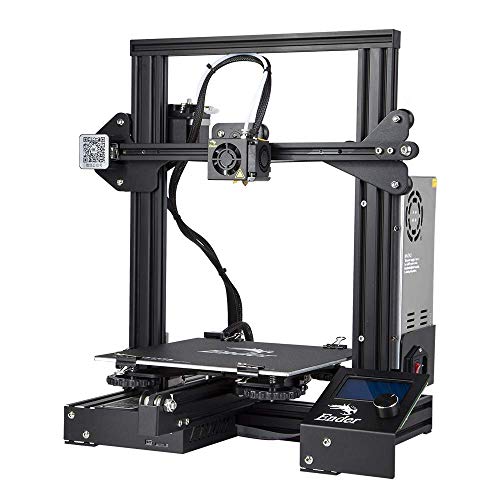
Creality Ender 3 3D Printer with Resume Printing Function
Creality
Premium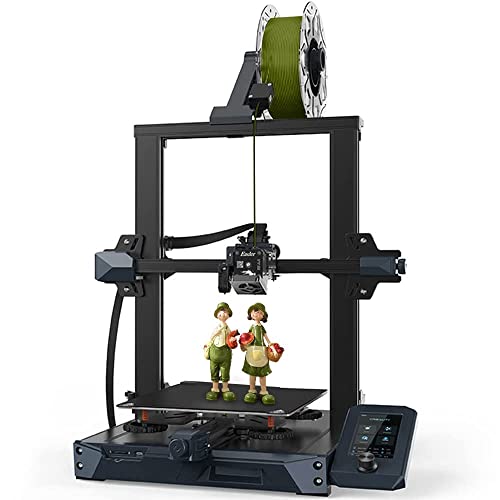
Creality Ender 3 S1 3D Printer with Direct Drive Extruder
Comgrow
Premium
WEEDO Tina2S 3D Printer for Kids and Beginners
WEEDO
Premium
ELEGOO Mars 4 7" 9K Mono LCD Resin 3D Printer
ELEGOO
Premium
3D printer PLA filament set, 1.75mm, 4 spools (200g each) in purple/green/blue/yellow
AOSEED
Mid-Range
Adventurer 5M 3D Printer with auto leveling
FLASHFORGE
Premium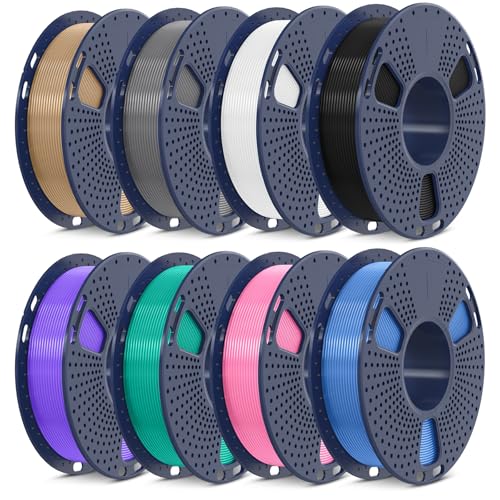
SUNLU PLA+ Filament Pack 2kg, 8x250g 1.75mm (Black White Grey Burlywood Bluegrey Pink GrassGreen Purple)
SUNLU
Mid-Range
ANYCUBIC Photon Mono M5s Pro Resin 3D Printer
ANYCUBIC
Premium
ELEGOO Neptune 4 Plus 3D Printer with Rapid PLA+ Filament
ELEGOO
Premium
WEEDO Tina2 Mini 3D Printer for kids, open-source, auto leveling
WEEDO
Premium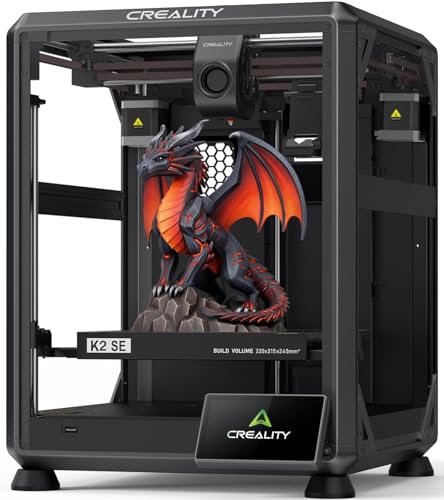
Creality K1 SE 3D Printer with CoreXY, 600mm/s
Creality
Premium
ELEGOO Neptune 4 Pro 3D Printer
ELEGOO
Premium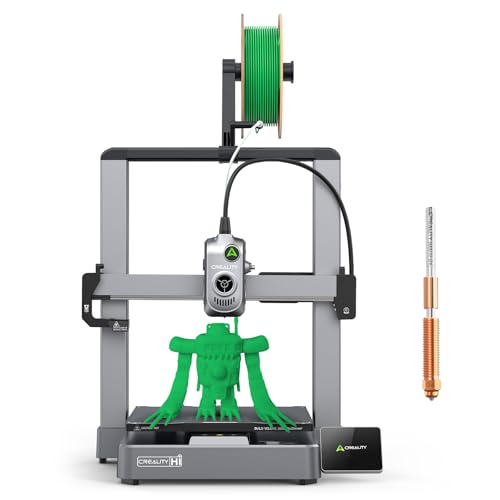
Creality Hi(A) 3D Printer with auto RFID filament detection
Creality
Premium
ELEGOO Saturn 3 Ultra 12K MSLA 3D Printer with 10" monochrome LCD
ELEGOO
PremiumRoundups
Frequently Asked Questions
What types of 3D printers are common in the Tools & Industrial category and how do they differ?
Common types are Fused Deposition Modeling (FDM) which extrudes thermoplastic filament for larger, utilitarian parts, and Stereolithography (SLA)/LCD resin printers which cure liquid resin for higher detail and smoother surfaces; FDM is generally better for functional prototypes and larger objects, while resin printers excel at fine-detail parts and jewelry models
Which specifications should I compare when choosing a 3D printer for industrial or workshop use?
Compare build volume, layer resolution, nozzle or resin curing resolution, material compatibility (PLA, ABS, PETG, engineering filaments, or various resins), frame stability, bed leveling method, extruder type (direct vs. Bowden), and connectivity options (USB, SD, Wi‑Fi), plus supported slicer software and file formats
How much should I expect to spend for a capable industrial/workshop 3D printer?
Entry-level industrial-style desktop FDM printers commonly start a few hundred dollars, mid-range machines are several hundred to low thousands, and higher-capability systems with larger build volumes or advanced features can cost more; expect additional ongoing costs for materials, replacement parts, and maintenance
What materials can industrial 3D printers handle and how do I choose a filament or resin?
FDM printers commonly handle PLA, ABS, PETG, TPU, and engineered filaments like Nylon or carbon-fiber blends (check printer temperature and extruder type), while resin printers use photopolymer resins formulated for general-purpose, tough, flexible, or castable applications; choose materials based on required mechanical properties, thermal resistance, and surface finish
What routine maintenance and consumables should I plan for?
Plan for filament or resin supply, occasional replacement of nozzles and build plates, periodic belt, pulley, and bearing checks, calibration or bed-leveling, lubrication of moving parts, and cleaning of resin vats or extruder paths; following the manufacturer's maintenance schedule extends reliability and print quality
How do print speed and resolution trade off against each other?
Higher resolution (thinner layers, finer XY detail) increases print time because more passes are required; faster prints use thicker layers and higher travel speeds but produce lower surface detail and may reduce strength or dimensional accuracy, so balance speed and resolution based on part requirements
What safety considerations should I keep in mind when using a 3D printer in a workshop?
Ensure adequate ventilation for fumes from heated plastics or resins, use gloves and eye protection when handling uncured resin, keep printers on stable surfaces with proper grounding, follow electrical load guidelines, and store consumables according to manufacturer instructions to reduce fire, chemical, and inhalation risks