Electrical Wire
This category covers electrical wire for industrial, commercial, and tool use, including power, control, and specialty cable types. About 1,098 products are indexed with an average rating of 4.67 and prices ranging from $32 to $2,244, spanning budget through premium options. Top brands include YDDECW among others
Top Products
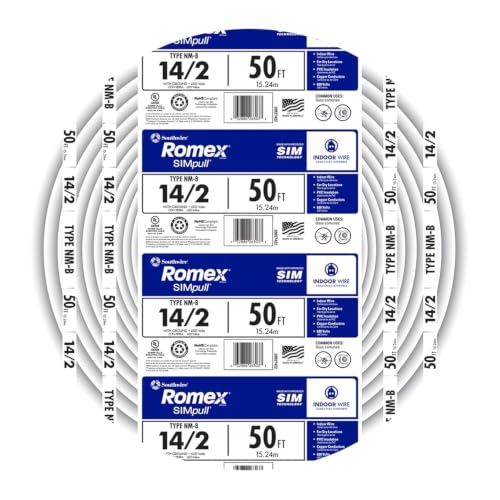
Southwire Romex Simpull 14/2 NM-B Copper Cable 50 ft
Southwire
Mid-Range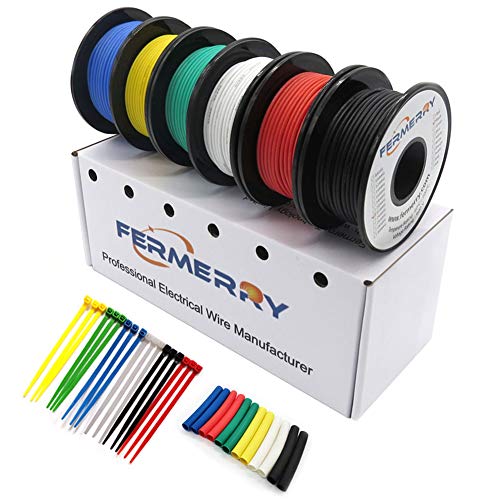
Fermerry 12 AWG Silicone Stranded Wire Kit, 10ft per color
Fermerry
Budget
FIRMERST 16/2 Low Voltage Landscape Wire 150 ft
FIRMERST
Budget
Southwire 12/2 NM-B solid indoor building wire, 25 ft, 600 V
Southwire
Budget
Fermerry 16 AWG Silicone Hook-Up Wire, 100ft (black & red) with 6 pcs heat shrink and wire ties
Fermerry
Mid-Range
NAOEVO 18 AWG 3 Conductor Wire, 50ft
NAOEVO
Budget
NAOEVO 14 AWG 3 Conductor Electrical Wire, 30FT
NAOEVO
Budget
NAOEVO 12 AWG 2 Conductor Electrical Wire, 30FT
NAOEVO
Budget
12/2 gauge 100ft electrical wire extension for LED strips
Tyumen
Budget
Southwire Romex SIMpull NM-B 12/2 w/g 50ft
Southwire
Mid-Range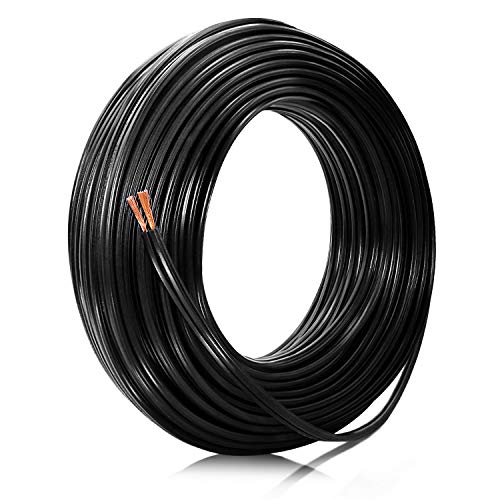
FIRMERST 14/2 Low Voltage Landscape Wire, 100 ft
FIRMERST
Mid-Range
Southwire Romex Simpull 14/2 NM-B indoor cable 100ft
Southwire
Mid-Range
NAOEVO 14 AWG 2-Conductor Electrical Wire, 50FT
NAOEVO
Mid-Range
FIRMERST 16/2 Low Voltage Landscape Wire Outdoor Cable
FIRMERST
Mid-Range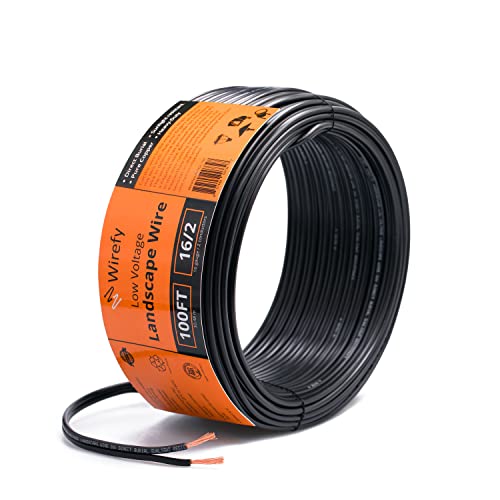
Wirefy 16/2 Low Voltage Landscape Wire
Wirefy
Budget
22 gauge silicone wire - 400 ft with tin copper 60 strands
TUOFENG
Budget
THE CIMPLE CO 25 ft Solid Copper Grounding Wire, 10 AWG THHN/THWN
THE CIMPLE CO
Budget
NAOEVO 18 gauge 3-conductor electrical wire, 100ft
NAOEVO
Mid-Range
Southwire Romex SIMpull 25 ft 12/2 NM-B Wire
Southwire
Budget
Wirefy 14/2 Low Voltage Landscape Wire - 100 ft
Wirefy
Mid-Range
18 AWG stranded copper cord, 100ft, 2-core extension power cable
Lesnlok
Budget
NAOEVO 12 AWG 2-Conductor Electrical Wire, 50ft
NAOEVO
Mid-Range
18 AWG 4-core oxygen-free copper wire with PVC sheath
Lesnlok
Budget
16 AWG 3-conductor copper electrical wire, 50ft
Lesnlok
BudgetRoundups
Frequently Asked Questions
How do I choose the right gauge and conductor type for my electrical project?
Select wire gauge based on the maximum current (amps) the circuit will carry and the allowable voltage drop; common residential gauges are 14 AWG for 15 A, 12 AWG for 20 A, and 10 AWG for 30 A. Choose conductor type (copper vs. aluminum) based on conductivity and application—copper has higher conductivity and is preferred for most interior wiring, while aluminum is lighter and used in some service and feeder applications—and ensure the wire insulation and rating match the application (e.g., THHN, NM-B, or UF for outdoor/buried runs)
What insulation types and temperature/voltage ratings should I look for?
Match the insulation type to the installation environment: THHN/THWN for conduit and higher temperature ratings, NM-B for dry interior residential walls, and UF for direct burial; check the voltage rating (commonly 300 V or 600 V for building wire) and temperature rating (typically 60°C, 75°C, or 90°C) to ensure compatibility with connectors and devices. Use wires with moisture- and sunlight-resistant jackets for outdoor or wet locations and confirm local code requirements for permitted insulation types
How do I estimate how much wire I need and avoid excess voltage drop?
Measure the total run length from source to load and add extra for routing, terminations, and mistakes; multiply by the number of conductors in the run. To limit voltage drop keep the run length and current in mind—use larger gauge wire for long runs or high-current circuits, and consult voltage-drop tables or calculators to maintain drop under recommended levels (often 3% for branch circuits)
What safety certifications and code compliance should I check before buying?
Look for wire marked with recognized safety listings or standards such as UL, CSA, or equivalent local certification marks, and ensure the wire type and installation method comply with the National Electrical Code (NEC) or your local electrical code. Verify conductor sizing, insulation type, and ambient temperature ratings meet code requirements for the intended application and that any building permits and inspections are obtained when required
How should I store and handle electrical wire to prevent damage?
Store spools on a dry, cool surface away from direct sunlight and chemicals; keep ends protected to prevent moisture ingress and physical damage. When handling, avoid sharp bends and kinks, do not drag wire over rough edges, and unspool in a way that prevents twisting or coil memory that can make installation difficult
What are common cost factors and price ranges for electrical wire products?
Price varies with conductor material (copper is typically more expensive than aluminum), gauge (thicker wire costs more), insulation type and ratings, and spool length; budget options and small specialty leads can be under $50, while long runs, larger-gauge building wire, or industrial-grade cables can be in the $25 to $500 range depending on specifications. Consider total project length and required ratings when comparing costs, not just unit price
When should I hire a licensed electrician instead of doing the wiring myself?
Hire a licensed electrician for any work involving service panels, new branch circuits, meter connections, or when local code or permits are required, and whenever you lack experience with wiring and testing safety-critical connections. Complex projects, high-voltage equipment, or installations that affect building code compliance should be performed or inspected by a qualified professional