Inorganic Reagents
This category covers inorganic reagents used for lab, industrial, and water treatment applications, including salts, acids, and metal compounds. The indexed selection (20 products, avg rating 4.61) spans budget to mid-range pricing (about $33–$235, avg ~(price varies)) and includes brands like Dibbs Farms and STELLAR CHEMICAL CORP
Top Products
![Copper sulfate crystals 99.8% pure [fine grade] - 10 lbs](https://m.media-amazon.com/images/I/81NY5Dxt2cL._SL1500_.jpg)
Copper sulfate crystals 99.8% pure [fine grade] - 10 lbs
Dibbs Farms
Mid-Range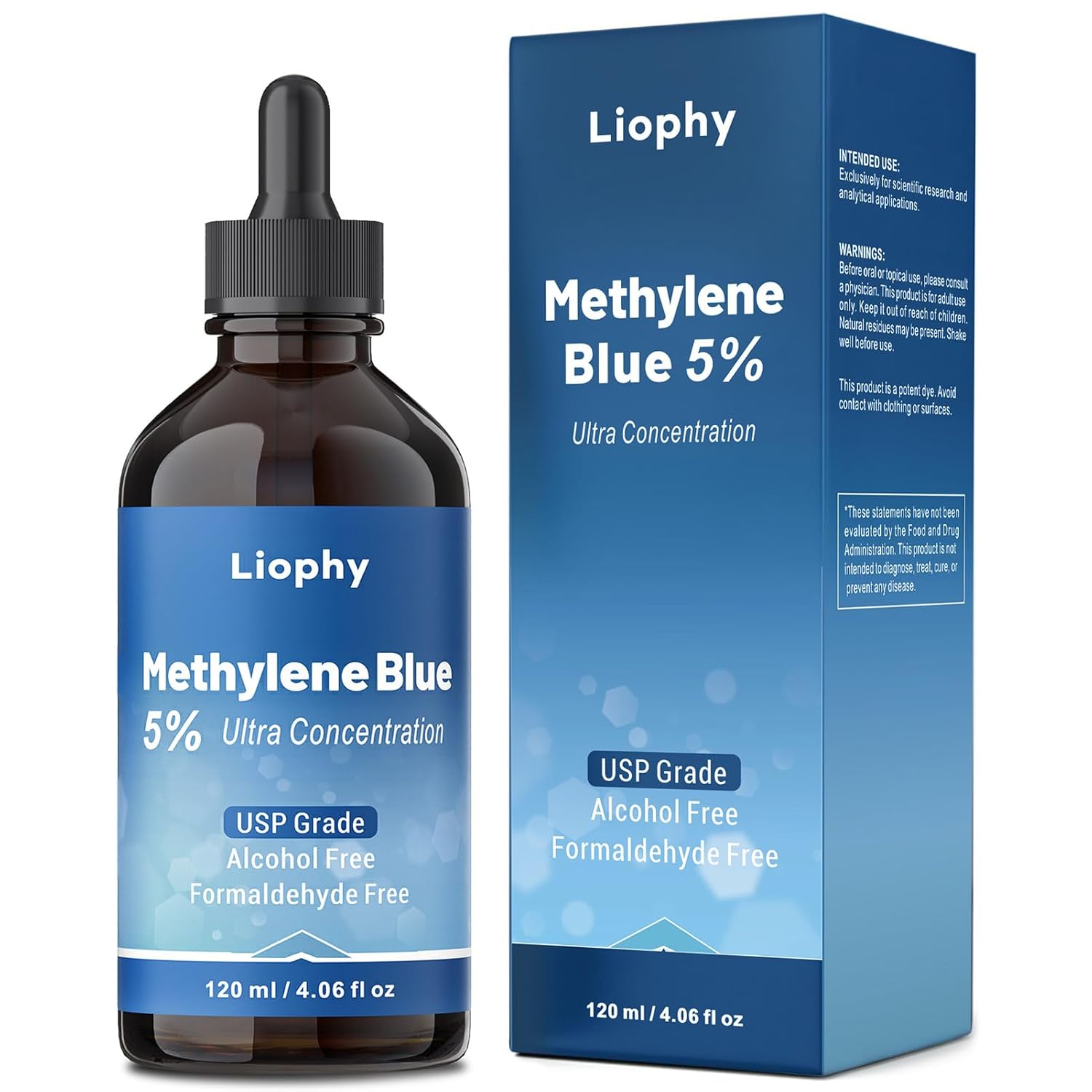
Methylene Blue 5% USP-grade solution for cellular support
Liophy
Mid-Range
Copper sulfate small crystals 10lb bag
DAWINSIE
Mid-Range
Copper sulfate pentahydrate crystals (99.9%) 10 lbs
Dibbs Farms
Mid-Range
Potassium Iodide, 99.9% Purity, Lab Grade, 200g
Sturelehub
Budget
Sodium sulfate food grade anhydrous 20 lb
Duda Energy
Budget![Copper sulfate crystals 99.8% [fine grade] - 10 lbs](https://m.media-amazon.com/images/I/31duh6maK5L._SL500_.jpg)
Copper sulfate crystals 99.8% [fine grade] - 10 lbs
Dibbs Farms
Mid-Range
Sodium sulfate food grade anhydrous, 40 lb
Duda Energy
Mid-Range
Piracetam powder 99% purity, 100 g
Akersunder
Budget
Ferric chloride 40% solution, 1 gal, copper etchant, water treatment
Alliance Chemical
Mid-Range
Sodium chlorite, 80% flakes, tech grade ~2 kg
STELLAR CHEMICAL CORP
Mid-Range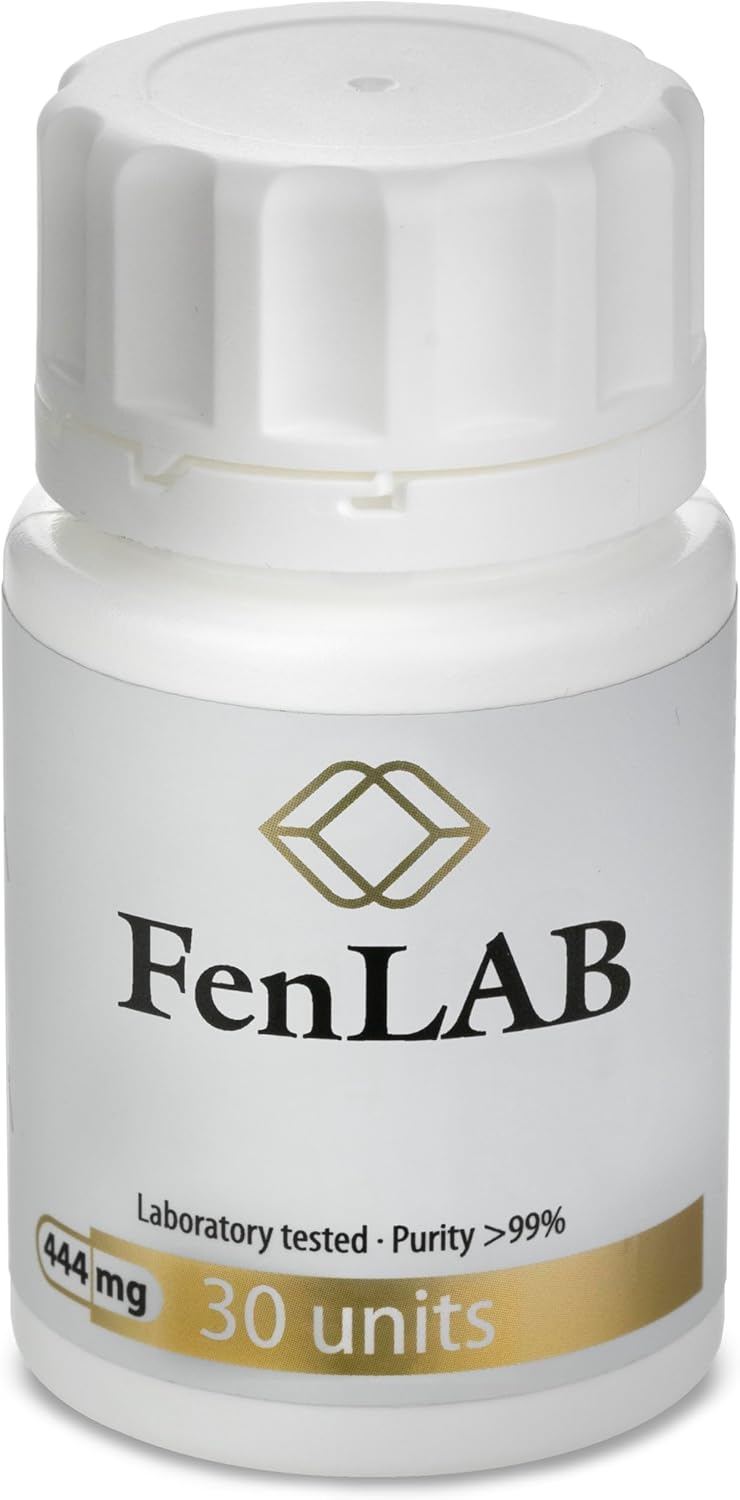
Fen LAB 444mg Purity >99% 30 ct
Generic
Mid-Range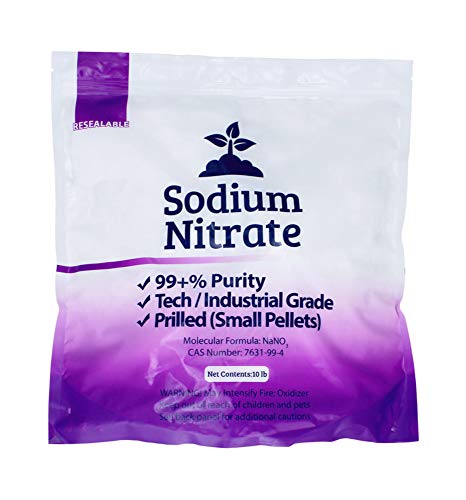
Sodium Nitrate Fertilizer 50 lb (10 x 5 lb bags) - technical/industrial grade
Duda Energy
Premium
Nutrizole Labs | 444 | Purity >99%, 120 ct
Nutrizole Labs
Mid-Range
Copper sulfate crystals 5 lb Granular EPA free
MENDELEEV STYLE
Budget
Stellar Sodium Chlorite 80% Flakes - 5 LBS
STELLAR CHEMICAL CORP
Mid-Range
Phenben 222 | mg | >99% | 30 | ct
NARESUN
Budget
Sodium chlorite flakes, 80%, tech grade, 10 lbs
Generic
Premium
Methylene Blue 1% USP (Pharmaceutical) Grade, 8 fl oz
Biopharm
Premium
Ferric Chloride 40% 5 Gallon Pail - Copper Etchant (Alliance Chemical)
Alliance Chemical
PremiumRoundups
Frequently Asked Questions
How do I choose the right inorganic reagent for my industrial application?
Select reagents based on chemical compatibility, required purity grade (technical, reagent, or ACS), concentration/form (solid, powder, solution), and the specific reaction conditions (temperature, pH, solvents). Check material safety data and regulatory requirements for your application
What purity levels should I expect and when does higher purity matter?
Purity levels commonly range from technical to reagent/ACS grade; higher purity reduces impurities that can affect yields, catalysis, or analyses. Use higher purity for analytical, semiconductor, or pharmaceutical processes and lower grades for bulk industrial uses where trace impurities are acceptable
How should I store inorganic reagents to maintain stability and safety?
Store reagents in labeled, compatible containers away from heat, moisture, and direct sunlight; segregate oxidizers, acids, bases, and flammables; follow the supplier’s storage temperature and humidity instructions and keep safety data sheets accessible
What safety precautions are essential when handling inorganic reagents?
Use appropriate personal protective equipment (gloves, goggles, lab coat), work in a ventilated area or fume hood for volatile or dusty materials, avoid mixing incompatible chemicals, and have spill-response supplies and emergency procedures in place
How do I budget for inorganic reagents and what price ranges are common?
Industrial inorganic reagents vary widely; many small-quantity or specialty reagents fall in the tens to low hundreds of dollars, while bulk industrial chemicals can be cheaper per unit. Expect average per-item prices near the low hundreds depending on brand and purity
Are there common compatibility or corrosion concerns with equipment?
Yes—strong acids, bases, and halogen-containing reagents can corrode metals and certain plastics; use compatible materials like glass, PTFE, HDPE, or specific alloys, and consult chemical compatibility charts for long-term storage and process equipment
What documentation should I request before purchasing?
Request the Safety Data Sheet (SDS), certificate of analysis (CoA) or purity spec, storage and handling instructions, and any transport or regulatory classification information relevant to your jurisdiction