Patient Alarms
Patient Alarms in Tools & Industrial covers bedside and wearable alert devices used for fall detection, call-for-assistance, and monitoring in care settings. The 21 indexed products average a 4.40 rating and span budget to mid-range prices (about $34–$286), with brands like Lunderg and Smart Caregiver represented
Top Products
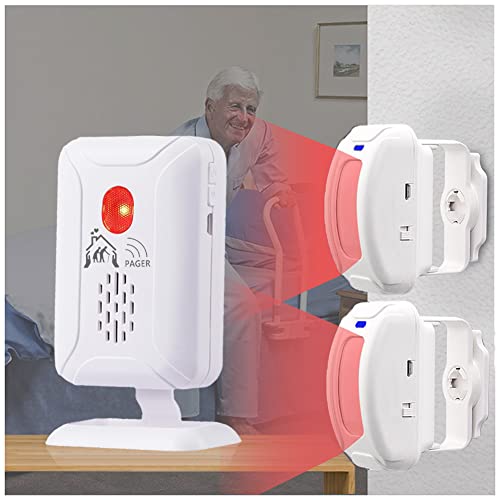
Bed sensor alarm for caregiver use with motion detection
Nesthao
Budget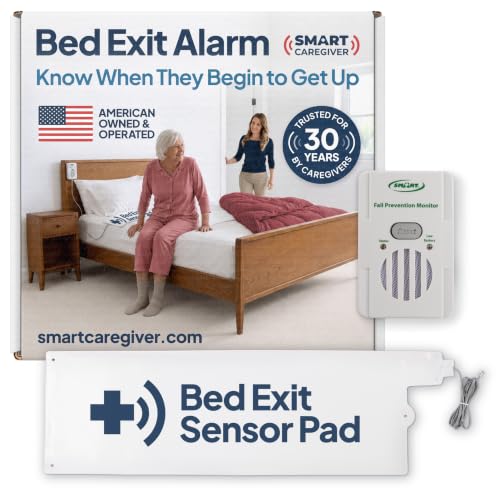
Smart Caregiver Bed Alarm with 10x30 Bed Pad for elderly safety
Smart Caregiver Corporation
Mid-Range
Patient Aid bed alarm with magnet pull cord
Patient Aid
Budget
Patient Aid chair alarm with motion sensor pad and wired device
Patient Aid
Mid-Range
Lunderg Wireless Chair Alarm Sensor Pad (ADD-ON) for Early-Alert Bed Alarm
Lunderg
Mid-Range
Smart Caregiver Wireless Bed Alarm System with Remote Monitor
Smart Caregiver Corporation
Premium
Patient Aid bed alarm with motion sensor pad
Patient Aid
Mid-Range
Patient Aid Bed Alarm with Motion Sensor Pad
Patient Aid
Mid-Range
Cordless Bed Exit Alarm with 20x30 Bed Pad
Smart Caregiver Corporation
Premium
Lunderg Bed Alarm with Pre-Alert Smart Tech
Lunderg
Premium
Smart Caregiver Wireless Bed Alarm System with Weight Sensor Pad
Smart Caregiver Corporation
Premium
Lunderg Bed Alarm with Wireless Sensor Pad & Pager
Lunderg
Premium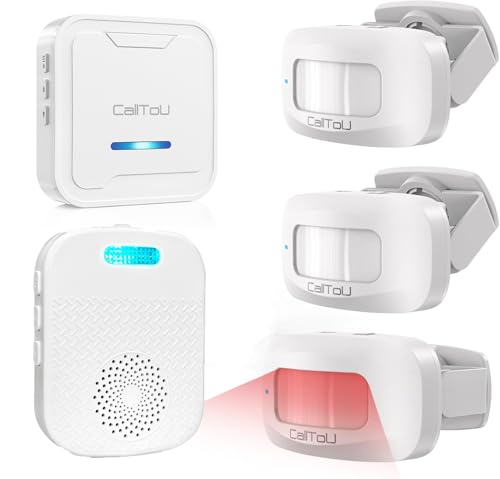
Caregiver door chime with 2 sensors & 2 receivers
CallToU
Mid-Range
Lunderg Bed & Chair Alarm Set with Wireless Sensor Pads
Lunderg
Premium
Lunderg Wireless Bed and Chair Alarm Set
Lunderg
Premium
Floor mat exit alarm system for seniors
Smart Caregiver
Premium
Medical Guardian MGMini: discreet medical alert device
Medical Guardian
Mid-Range
Lunderg Wireless Chair Alarm System for Caregiver Monitoring
Lunderg
Mid-Range
Lunderg Under Mattress Bed Alarm with Wireless Sensor Pad
Lunderg
Premium
Lunderg Wireless Bed Alarm with Pad and Pager
Lunderg
Premium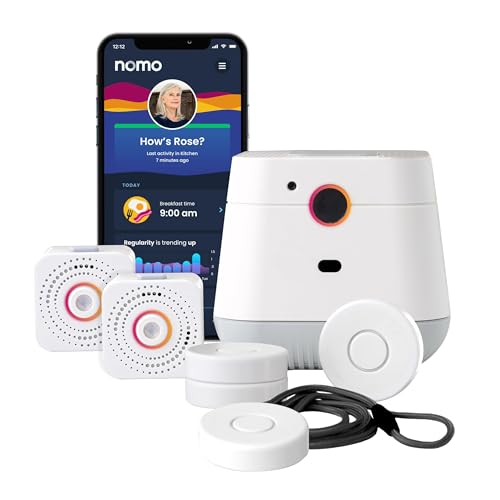
Medical Alert System with Fall Detection and WiFi Safety Monitoring
Nomo Smart Care
PremiumRoundups
Frequently Asked Questions
What types of patient alarms are available and how do I choose one?
Common types include bed/chair-exit alarms, fall detectors, motion sensors, and nurse-call pendants. Choose based on the monitored risk (wandering, falls, leaving bed), required alert method (audible alarm, caregiver pager, or central monitoring), and compatibility with existing systems or caregiver workflows
What features should I prioritize for reliability and ease of use?
Prioritize clear, adjustable alert volume, robust battery life with low-battery alerts, simple setup and mounting options, and adjustable sensitivity to reduce false alarms. Look for devices with easy-to-read status indicators and straightforward reset procedures for caregivers
How much do patient alarms typically cost and what affects price?
Patient alarms in this category commonly range from budget options under $50 to more advanced systems several hundred dollars; the average price tends to be around low three-figure amounts. Price is influenced by alarm type, wireless connectivity, included receivers or pagers, brand, and whether the system supports multiple sensors or a central monitoring unit
Can patient alarms integrate with existing caregiver systems or pagers?
Some alarms offer integration with proprietary pagers or central nurse-call systems, while others operate as standalone units with included receivers or smartphone alerts. Verify compatibility details and supported connection methods (RF, BLE, Wi‑Fi) before purchase if you need integration
How do I minimize false alarms and adjust sensitivity appropriately?
Place sensors according to manufacturer instructions, use adjustable sensitivity settings if available, and test different placements or delay settings to distinguish normal movement from risky behavior. Regularly inspect sensors for wear or misalignment that can trigger false alerts
What maintenance and battery considerations should I know?
Check expected battery type and life, whether rechargeable or replaceable batteries are used, and whether the unit provides low-battery warnings. Schedule routine testing and battery replacement intervals and keep spare batteries or chargers accessible to avoid gaps in monitoring
Are patient alarms suitable for all care settings and ages?
Patient alarms are used across home care, assisted living, and clinical settings but suitability depends on the specific alarm type and care environment; for example, bed-exit alarms are common in dementia care while wearable fall detectors may be better for active patients. Assess the individual's mobility, cognitive status, and the caregiver response plan before selecting a device