Sander Belts
Sander belts for orbital, belt, and detail sanders used in woodworking, metalworking, and finishing tasks, offered in various grits and materials. The 18 indexed products average a 4.67 rating and range about $33–$60, with brands like 3M and POWERTEC represented
Top Products

POWERTEC sanding belts 6x48in, 12-pack with 60/80/120/150/240/400 grit
POWERTEC
Budget
3M Cubitron II File Belt 60+ Grit, 1/2 x 18 in, pack of 10
3M
Mid-Range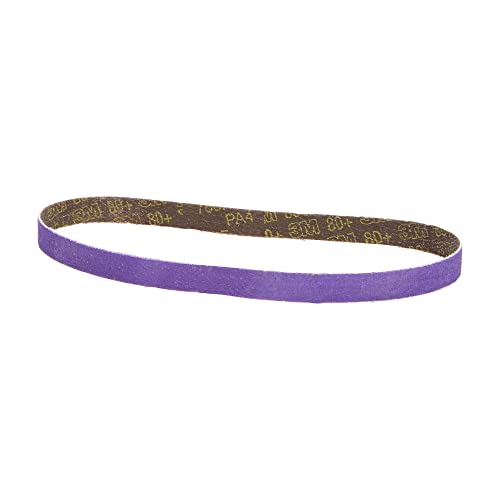
Cubitron II File Belt 80+ grit 1/2 x 18 in, pack of 10
3M
Budget
POWERTEC 4 x 24 in Sanding Belts set (60/80/120 grit) – 30pk
POWERTEC
Budget
POWERTEC 3 x 18 in Sanding Belts, 40/60/80 Grit (30-pack), aluminum oxide
POWERTEC
Budget
POWERTEC 6x48 in Zirconia Sanding Belts, 9-pack (36/100/120 grit)
POWERTEC
Mid-Range
Cubitron II File Belt 60+ Grit 3/8 x 13 in (10 belts)
3M
Budget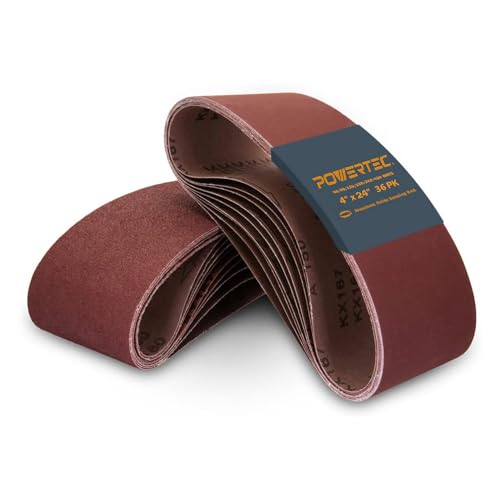
POWERTEC 4 x 24 Inch Sanding Belts (60-400 grit) 36-pack
POWERTEC
Budget
4 x 36 in zirconia sanding belts set (12 pcs) 40/60/80/120
ABRAPRO
Budget
IVY Classic 4x24 36 Grit Sanding Belt
IVY Classic
Mid-Range
6-pack zirconia sanding belts kit for knife sharpening
TPmax
Budget
8 x 19 inch 100 grit sanding belts, 12 pack
makiwork
Budget
4x36 Inch Belt Sander Belts Kit (16 Pcs) 40/60/80/120 grit
Tanzfrosch
Mid-Range
Red Label Abrasives 2 x 72 in 220 Grit Ceramic Sanding Belts (6Pack)
Red Label Abrasives
Mid-Range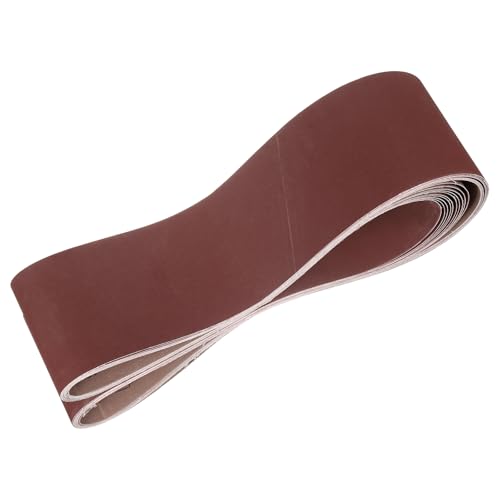
HARFINGTON Sanding Belts 6 x 89 in, 10 pcs 320 Grit
HARFINGTON
Mid-Range
8x19 inch 60 grit sanding belts, 12-pack (aluminum oxide, X-weight backing) for drum sander
makiwork
Budget
Drum sander conveyor belt 120 grit 22-3/8" x 47-1/2"
P Polerden
Mid-Range
8 inch x 19 inch sand belts set, 12 pack (40/60/80/100/120/150 grit) for drum sander
makiwork
BudgetRoundups
Frequently Asked Questions
How do I choose the right grit and abrasive type for sander belts?
Select grit based on material and desired finish: coarse grits (40–80) remove material fast, medium grits (100–150) are for shaping and smoothing, and fine grits (180–400+) are for finishing. Choose abrasive types by application: aluminum oxide is general-purpose for wood and metal, zirconia is better for aggressive material removal and metal, and ceramic is longest-lasting for high-pressure grinding; cloth or resin-backed belts handle heavy-duty use
What belt size and attachment style do I need for my sander?
Match belt length and width exactly to your sander model specifications—common sizes include 3 x 18 in and 4 x 24 in—since belts must fit the machine’s platen and tracking system. Also confirm the attachment style (endless loop vs. jointed with a seam) and the machine’s tracking/fastening requirements; many sanders use endless belts while some smaller models accept jointed belts
How should I care for and store sander belts to extend their life?
Keep belts clean by occasionally blowing debris off with compressed air or using a rubber belt cleaning stick to remove clogged dust and pitch. Store belts flat or hanging in a cool, dry place away from direct sunlight and humidity to prevent warping or adhesive breakdown; avoid folding or kinking belts
How do I assess belt quality and durability when comparing brands?
Look for consistent abrasive coverage, a strong backing material (paper, cloth, or polyester) appropriate for the job, and secure joints or seamless construction. User ratings for longevity on similar tasks and mentions of tear resistance, heat tolerance, or clogging resistance are useful indicators of durability
Are there specialized belts for metalworking or finishing painted surfaces?
Yes: use zirconia or ceramic abrasives for aggressive metal grinding and long life under high pressure; for removing paint or preparing surfaces without deep scratches, choose finer grits and open-coat belts that resist loading and reduce heat buildup. For delicate finishing, consider non-woven or fine-grit belts designed to minimize scratch visibility
What safety and performance checks should I perform after installing a new belt?
Ensure the belt tracks centered on the sander at low speed before full operation, check tension per the machine’s manual (not overly tight), and inspect for frayed edges or damaged joints. Wear appropriate PPE (eye and respiratory protection) and listen for unusual vibrations that indicate misalignment or improper fit
How much should I expect to spend and what influences cost?
Sander belts commonly range from budget options under $10 up to specialty or premium belts above $50; average-priced belts for general use fall in the mid-range. Cost depends on abrasive type (ceramic and zirconia are pricier), backing material, grit size, and whether belts are sold individually or in multi-packs