Fettuccine Pasta
This category covers fettuccine pasta options geared toward health-conscious shoppers, including whole-grain, high-protein, and alternative-flour varieties across 13 indexed products with an average rating of 4.57. Prices run from $33 to $48 (average $37), and top brands include AL DENTE and Barilla
Top Products

Barilla Spaghetti Pasta, 16 oz. Box (Pack of 20) - Non-GMO
Barilla
Budget
Al Dente Carba-Nada Egg Fettuccine (6x10oz)
AL DENTE
Budget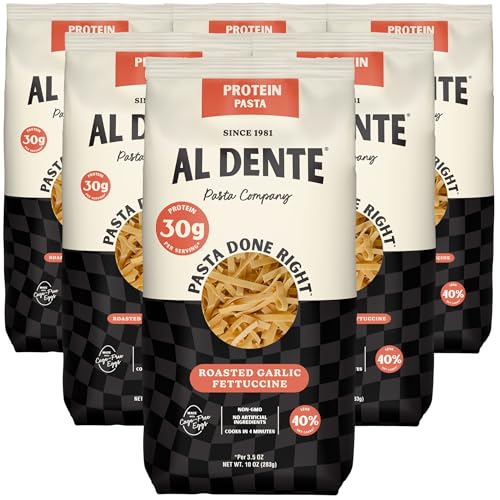
AL DENTE Carba-Nada Roasted Fettuccine, Garlic, 10oz (Pack of 6)
AL DENTE
Budget
Al Dente Squid Ink Fettuccine All-Natural Egg Pasta
AL DENTE
Mid-Range
Explore Cuisine Organic Edamame & Mung Bean Fettuccine
EXPLORE CUISINE
Budget
Organic Fettuccine 100% Durum Wheat, 10-pack Italian Pasta
L'Oro Del Sud
Budget
Barilla spaghetti pasta
Barilla
Mid-Range
Al Dente Carba-Nada Egg Fettuccine & Roasted Garlic Fettuccine Variety Pack
AL DENTE
Mid-Range
Tuna Helper Tuna Fettuccine Alfredo Pasta 6.5 oz (12 per case)
Tuna Helper
Mid-Range
17g High Protein Fettuccine Pasta 7g Low Carb Keto Pasta
Pete's Pasta
Budget
Pete's Pasta 17g High Protein Variety Pasta 3-Pack 8oz
Pete's Pasta
Budget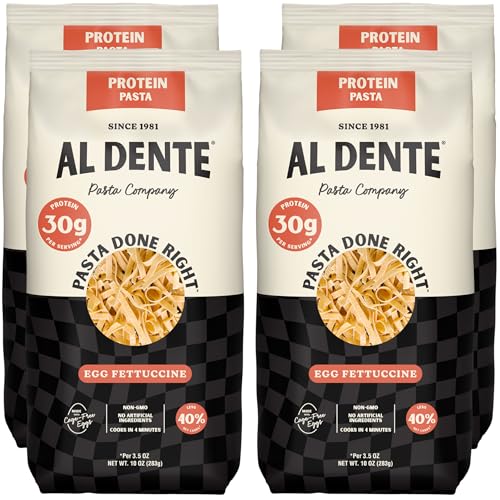
Al Dente Carba-Nada Egg Fettuccine, 4-Pack
AL DENTE
Mid-Range
LIVIVA Organic Shirataki Konjac Fettuccine (6 Pk) - Low Carb Pasta
LIVIVA
BudgetRoundups
Frequently Asked Questions
How do I choose the right fettuccine for health-focused cooking?
Look at ingredient lists and nutrition facts: choose whole-grain or legume-based fettuccine for higher fiber and protein, check sodium and added sugars, and consider portion size. For specific dietary needs, verify labels for gluten-free, low-carb, or fortified options
What nutritional differences should I expect between brands?
Nutritional content varies by base ingredient—durum wheat semolina tends to be higher in carbohydrates, whole-grain versions offer more fiber, and alternative bases (chickpea, lentil) provide more protein; calories per serving are generally similar but fiber, protein, and sodium can differ significantly
Are there good budget-friendly fettuccine options for a health-conscious shopper?
Yes; many stores and brands offer whole-grain or enriched pasta at lower price points, and average category prices often allow finding healthier formulations without premium cost. Compare unit price and serving size to assess value
How should I cook and store fettuccine to preserve nutrition and texture?
Cook to al dente per package timing to retain texture and some nutrients; drain promptly and toss with a small amount of oil to prevent sticking. Store unopened packages in a cool, dry place; transfer opened dry pasta to an airtight container and refrigerate or freeze cooked leftovers within 2 hours
What should I check on the label if I have allergies or intolerances?
Check for wheat, gluten, soy, and egg ingredients as well as manufacturing allergen statements that indicate shared equipment with nuts or milk. For gluten-free needs, look for certified gluten-free labeling and third-party testing if available
How does portion size of fettuccine relate to dietary goals like weight management or macronutrient targets?
A standard cooked pasta serving is often around 1 cup (roughly 180–220 kcal depending on type); measure dry portions (typically 2 ounces/56 grams dry) to align with calorie or macronutrient targets and adjust by adding protein and vegetables to increase satiety
Do alternative-base fettuccine varieties (e.g., legume, vegetable) cook or taste very different?
Alternative bases can have firmer textures, shorter cooking times, and distinct flavors; they may become softer or break down if overcooked, so follow specific package instructions and test early for preferred doneness