Sausages
This category covers sausages and sausage-making supplies focused on health and wellness, including lean, natural, and specialty casings and mixes. Eleven products average a 4.40 rating and mid-range pricing (about $35–$59); brands include TILLAMOOK COUNTRY SMOKER
Top Products

Teriyaki smoked sausages, 13g protein per serving (24 ct)
TILLAMOOK COUNTRY SMOKER
Budget
Tillamook Country Smoker Hunter's Sausage – Real Hardwood Smoked Meat Sticks
TILLAMOOK COUNTRY SMOKER
Mid-Range
Tillamook country smoker original hardwood smoked sausages
TILLAMOOK COUNTRY SMOKER
Mid-Range
Tillamook spicy jalapeno smoked sausages (1.44 oz) 24 count
TILLAMOOK COUNTRY SMOKER
Budget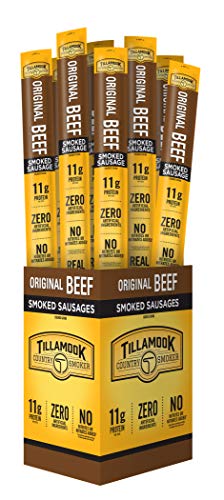
Tillamook Country Smoker Original Beef Sausages, 1.25 oz, 24 count
TILLAMOOK COUNTRY SMOKER
Budget
Pre-Tubed Hog Casings for Sausage (35-38 mm) 55 lb
The Sausage Maker
Mid-Range
Tillamook Pepperoni Smoked Sausages, 1.44 oz, 24 ct
TILLAMOOK COUNTRY SMOKER
Budget
Pre-Tubed Hog Casings for Sausage (32-35 mm)
The Sausage Maker
Mid-Range
Natural hog sausage casings 35-38 mm butcher pack
The Sausage Maker
Mid-Range
Armour Star Vienna Sausage Original, Canned Sausage (4.6 oz) – Pack of 48
Armour
Mid-Range
Natural sheep casings for sausage making, 24-26mm, pre-tubed edible
THE NEW ZEALAND CASINGS CO
Mid-RangeRoundups
Frequently Asked Questions
How do I choose a healthier sausage option?
Look for sausages with leaner protein sources (chicken, turkey, or plant-based), lower saturated fat and sodium per serving, minimal added sugars, and short ingredient lists that prioritize whole meats and spices over fillers and artificial additives
What nutritional labels should I compare before buying?
Compare calories, total and saturated fat, sodium, protein per serving, and ingredient order; also check for explicit claims like 'no added nitrates/nitrites' or 'minimally processed' and any allergen statements
Are there common allergens or additives I should watch for in sausages?
Yes—watch for soy, wheat/gluten, milk, and sulfites; also check for binders like carrageenan or textured vegetable protein and curing agents such as sodium nitrite if you need to avoid them
How should I store and handle sausages for food safety?
Keep sausages refrigerated at 40°F (4°C) or below and use within the package's recommended time, or freeze at 0°F (-18°C) for longer storage; always cook to a safe internal temperature (typically 160°F/71°C for pork/beef blends, 165°F/74°C for poultry) and avoid cross-contamination with raw juices
How do price and quality typically relate in the health-focused sausage category?
Higher-priced options often reflect better-quality ingredients (organic, pasture-raised, or specialty casings), cleaner labels, or artisanal processes, while budget options usually use conventional meats and more fillers; shoppers commonly find health-focused sausages in a mid-to-upper price range
What serving and portion considerations should I keep in mind?
Check the listed serving size and servings per package to gauge calories, sodium, and protein per portion; sausages can be calorie-dense, so pairing with vegetables and whole grains helps balance a meal
Are plant-based sausages comparable nutritionally to meat sausages?
Plant-based sausages can be lower in saturated fat and provide fiber, but protein content and sodium vary widely; compare labels for protein amount, fat type, and additives to determine which fits your dietary goals