Kitchen Utility Knives
Kitchen utility knives are mid-sized, versatile blades used for slicing, dicing, and prep tasks that are too big for a paring knife but smaller than a chef’s knife. The category (33 products, average rating 4.68) spans budget through premium options, with brands like Wusthof represented
Top Products

Mercer Genesis 7-Inch Flexible Fillet Knife
Mercer Culinary
Budget
Mercer Genesis 10-Inch Chef's Knife
Mercer Culinary
Mid-Range
Mercer Genesis 9-Inch Short Bolster Chef's Knife
Mercer Culinary
Mid-Range
Mercer Culinary Genesis 10-Inch Chef's Knife
Mercer Culinary
Mid-Range
NFL Carolina Panthers 5-Piece Kitchen Knife Set
The Sports Vault
Mid-Range
Mercer BPX Breaking Butcher Knife, 10 Inch
Mercer Culinary
Mid-Range
Brewin kitchen knife set with universal knife block
Brewin
Budget
Kyocera 4.5-inch Utility Knife with Green Handle
KYOCERA
Mid-Range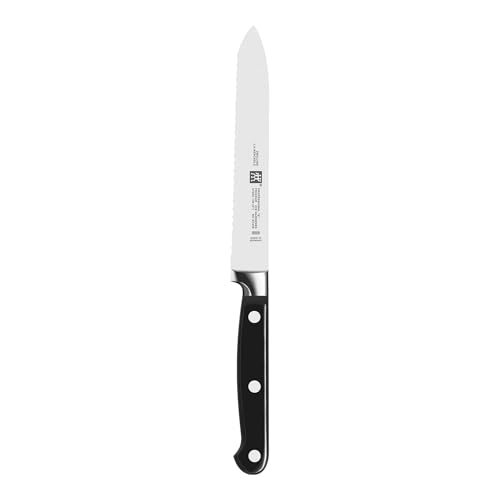
ZWILLING Professional S 5-inch Serrated Utility Knife
ZWILLING
Mid-Range
Kyocera 4.5-inch Utility Knife, Red Handle, White Blade
KYOCERA
Budget
SHAN ZU 6-inch Damascus Chef Knife with G10 Handle
SHAN ZU
Mid-Range
Milk Street Kitchin-kiji paring knife, 3.5-inch blade
Christopher Kimball's Milk Street
Mid-Range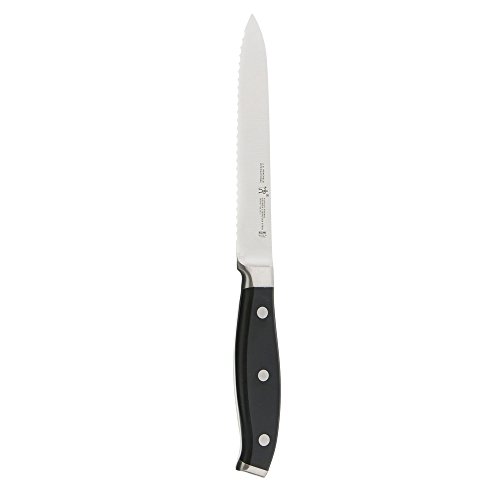
Forged Premio 5-inch Serrated Utility Knife, HENCKELS
HENCKELS
Mid-Range
Misen 5.5" Utility Knife – AUS-10 steel, hybrid blade, blue
Misen
Mid-Range
Kyocera 4.5-inch Utility Knife FK-110 WH, black handle
KYOCERA
Budget
Kyocera 4.5-inch utility knife, white handle and blade
KYOCERA
Mid-Range
Gourmet 4.5" Serrated Utility Knife, Black
Wusthof
Mid-Range
Henckels Classic Razor-Sharp 6-in Utility Knife, Tomato Knife
HENCKELS
Mid-Range
Genuine Joe Heavyweight Knife (Pack of 2)
Genuine Joe
Mid-Range
Gourmet 4.5" Utility Knife, Black
Wusthof
Mid-Range
5-Inch KEEMAKE Kitchen Utility Knife
KEEMAKE
Budget
Wusthof Classic 5" Utility Knife
Wusthof
Mid-Range
Wusthof Gourmet 5" Serrated Utility Knife
Wusthof
Mid-Range
HEZHEN 5.8 inch multi-purpose knife with 10Cr15CoMoV steel core
HEZHEN
Mid-RangeRoundups
- Best Kitchen Utility Knives for Bread Slicing (2026)
- Best Kitchen Utility Knives for Daily Meal Prep (2026)
- Best Kitchen Utility Knives for Slicing Tomatoes (2026)
- Best Kitchen Utility Knives for Mincing Herbs (2026)
- Best Kitchen Utility Knives for Chopping Vegetables (2026)
- Best Kitchen Utility Knives Under $200 (2026)
- Best Kitchen Utility Knives Under $100 (2026)
- Best Kitchen Utility Knives Under $50 (2026)
- Best Kitchen Utility Knives (2026 Guide)
Frequently Asked Questions
What is a kitchen utility knife and how is it different from a chef's knife or paring knife?
A utility knife is a mid-sized, versatile blade (usually 4–7 inches) designed for tasks too big for a paring knife and too small for a chef's knife, such as slicing sandwiches, trimming meat, and cutting fruits and vegetables
What blade materials and edge types should I look for in a utility knife?
Common blade materials include stainless steel for corrosion resistance and carbon steel for easier sharpening; many knives use high-carbon stainless blends. Edges are typically straight-grind or hollow-ground; ceramic blades are an option for retention but are more brittle
How do I choose the right size and handle for comfort and control?
Choose a blade length that fits your typical tasks and hand size—4–5 inches for precision, 6–7 inches for more versatility—and look for a handle shape and material (wood, polymer, or composite) that feels secure, balanced, and slip-resistant during use
Are there recommended maintenance and sharpening practices for utility knives?
Hone regularly with a honing rod to maintain edge alignment and sharpen with a whetstone, guided sharpener, or professional service when the blade becomes dull; follow manufacturer instructions for angle, and avoid dishwashers which can dull and damage handles
What should I consider regarding price and value for a utility knife?
Utility knives are available across price ranges; budget options can be under $50 while higher-end forged or specialty blades cost more. Consider blade material, construction (forged vs. stamped), brand reputation, and included warranties when assessing value
Is a serrated utility knife better than a straight edge?
Serrated edges excel at cutting through crusty bread, tomatoes, and fibrous foods without crushing, while straight edges offer cleaner slices and are easier to sharpen; choose based on the foods you prepare most often
How do I store a utility knife safely without damaging the blade?
Store knives in a block, magnetic strip, or blade guard to protect edges and prevent accidents; avoid tossing knives loose in a drawer, which can dull blades and create safety risks