Meat & Poultry Tenderizers
This category covers manual and electric meat and poultry tenderizers—mallets, needle/power tools, and prep accessories—for home and small‑scale kitchen use. Thirteen products average a 4.55 rating with prices ranging about $35–$162, including brands such as Jaccard
Top Products
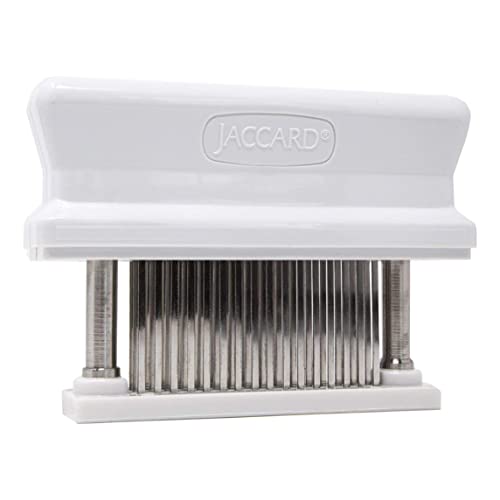
Jaccard meat tenderizer 48 blades stainless steel
Jaccard
Budget
Jaccard 48-blade Meat Tenderizer with stainless razor blades
Jaccard
Mid-Range
Meat Tenderizer Tool with Solid One-Piece Design
Everyday Easy Inc.
Budget
Professional beef jerky gun kits with 5 nozzles & brushes
WILDDIGIT
Mid-Range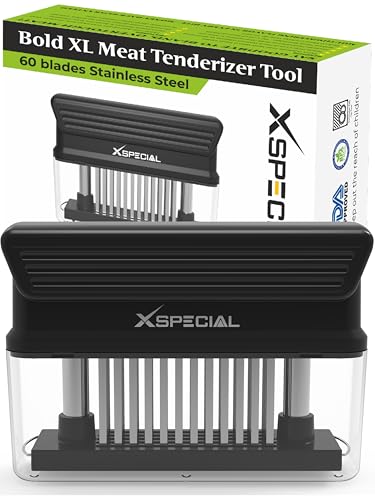
Bold XL 60 Blade Meat Tenderizer by XSpecial
XSpecial Products
Budget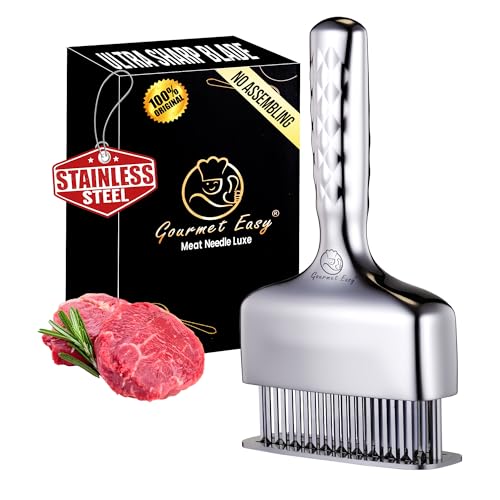
Meat Tenderizer Tool with long handle, 1-piece stainless steel
Everyday Easy Inc.
Mid-Range
Meat Tenderizer Attachment for KitchenAid & Cuisinart SM50
RAFBAR
Mid-Range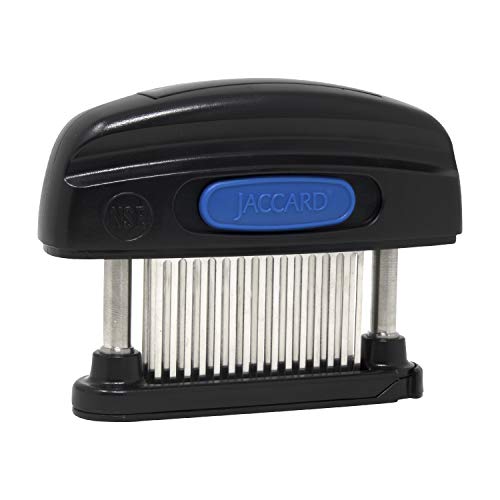
Jaccard 45-blade meat tenderizer, stainless steel
Jaccard
Mid-Range
Adjustable thickness meat tenderizer attachment for Kitchenaid stand mixers
Rafbar US
Mid-Range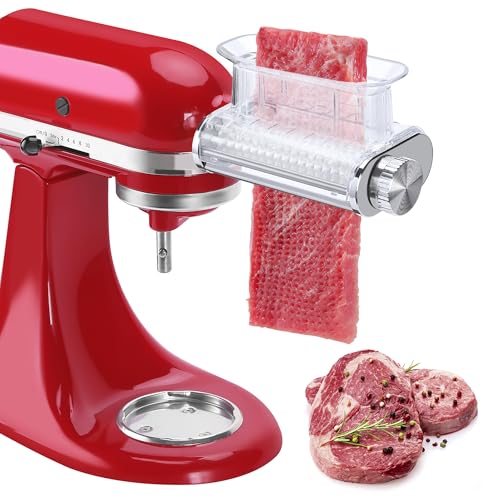
Meat tenderizer attachment for KitchenAid mixers, adjustable thickness
Rafbar US
Mid-Range
Weston meat tenderizer & cuber, heavy-duty aluminum
Weston
Premium
Meat Tenderizer Attachment for KitchenAid & Cuisinart
Mttobo
Mid-Range
VEVOR Commercial Meat Tenderizer, Heavy Duty Stainless Steel Manual Tool
VEVOR
Mid-RangeRoundups
- Best Meat & Poultry Tenderizers for Tenderizing Pork (2026)
- Best Meat & Poultry Tenderizers for Tenderizing Beef (2026)
- Best Meat & Poultry Tenderizers for Tenderizing Chicken (2026)
- Best Meat & Poultry Tenderizers Under $200 (2026)
- Best Meat & Poultry Tenderizers Under $100 (2026)
- Best Meat & Poultry Tenderizers Under $50 (2026)
- Best Meat & Poultry Tenderizers (2026 Guide)
Frequently Asked Questions
How do I choose between manual blade tenderizers and mallet-style tenderizers?
Blade tenderizers perforate meat with multiple small blades to break up fibers and are better for consistent results on steaks; mallet-style tenderizers use surface pounding to flatten and tenderize and work well for cutlets and thinner pieces. Consider the cut you use most, desired texture, and ease of cleanup when choosing
What materials and construction features should I look for for durability and food safety?
Look for stainless steel blades or heads and a durable, rust-resistant body; food-grade plastic or metal handles with secure assembly reduce failure risk. Removable or sealed parts that are dishwasher-safe and corrosion-resistant finishes improve longevity and hygiene
Are there differences in effectiveness for different types of meat and poultry?
Yes — blade tenderizers work well on tougher red meats to break connective tissue, while mallets and tenderizing forks are suitable for poultry, pork cutlets, and quick-cooking pieces. Very delicate cuts or thin fillets may be damaged by heavy pounding or aggressive blades
How should I clean and maintain a meat tenderizer safely?
Disassemble any removable parts and wash with hot, soapy water; use a brush to remove trapped meat from blades. If dishwasher-safe, place according to manufacturer guidance; always dry thoroughly and store covered to prevent blade dulling and contamination
Is there a risk of cross-contamination, and how can I avoid it?
Yes — tenderizers contact raw meat surfaces and can harbor bacteria if not properly cleaned. Clean immediately after use, sanitize surfaces and utensils, and avoid using the same tenderizer on cooked food without washing
How much should I expect to spend and what features change with price?
Options typically range from budget units under $50 to higher-end models above that average; lower-cost tools often are simple mallets or basic blades, while pricier models may offer replacement blades, ergonomic designs, and higher-grade stainless steel. Choose based on frequency of use and preferred features
Can using a tenderizer affect cooking time or seasoning absorption?
Yes — tenderizing increases surface area and can reduce thickness, which shortens cooking time and allows marinades and seasonings to penetrate more quickly and evenly. Adjust cooking times and marinating duration accordingly