Spaghetti Pasta
This Spaghetti Pasta — Health & Wellness category covers 42 indexed products including whole-grain, high-protein, and specialty durum options focused on nutritional profiles and ingredient transparency. Average rating is 4.57 and prices span about $33–$168, with brands like pastabilities represented
Top Products
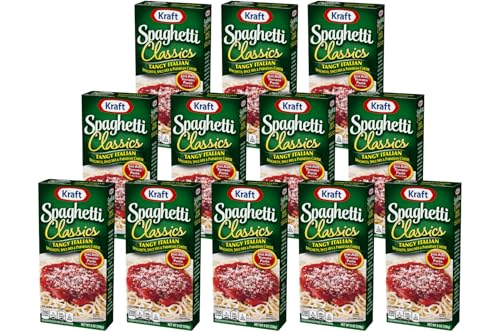
Kraft Spaghetti Classics Tangy Italian Spaghetti Dinner Kit
Kraft
Mid-Range
Barilla Gluten Free Oven-Ready Lasagne 10 oz (12 pack)
Barilla
Budget
Barilla Protein+ Thin Spaghetti Pasta
Barilla
Mid-Range
Barilla Protein+ Angel Hair Pasta (14.5 oz x20) Plant-based
Barilla
Mid-Range
Pastabilities Fun Shaped Pasta for Kids - Dog & Bone Shapes
pastabilities
Mid-Range
Rustichella d'Abruzzo Bucatini 4x500g
Rustichella d'Abruzzo
Budget
Dreamfields Healthy Pasta Living Spaghetti 13.25 oz (10 pack)
Dreamfields
Mid-Range
Pastabilities Fun Shaped Pasta for Kids - Heart Shapes
pastabilities
Mid-Range
Papa Vince Organic Non Enriched Pasta - busiate (Italy)
Papa Vince
Budget
Pastabilities Fun Shaped Pasta for Kids - American Pride (4 Pack, 14 Oz)
pastabilities
Mid-Range
Pastabilities Music Pasta - Fun Shaped Pasta for Kids (4 Pack, 14 Oz)
pastabilities
Mid-Range
Pastabilities Pirate Shaped Pasta - Fun Ship Skull & Crossbones (4 Pack, 14 Oz)
pastabilities
Mid-Range
Pastabilities Baseball-Shaped Pasta for Kids (4 Pack, 14 Oz)
pastabilities
Mid-Range
Pastabilities Bunny Hop Pasta - Fun Shaped Kids Pasta, 4 Pack
pastabilities
Mid-Range
Pastabilities Fun Shaped Pasta - Palm Tree Paradise (4 Pack, 14 Oz)
pastabilities
Mid-Range
Pastabilities Fun Shaped Pasta for Kids - Lobster Pasta
pastabilities
Mid-Range
Dreamfields Healthy Carb Living Pasta Variety Pack
Dreamfields
Budget
Pastabilities Flamingo Fun Shaped Pasta (4 pack, 14 oz)
pastabilities
Mid-Range
Gusta Penne Rigate Pasta - 2 Pack 500g each
GUSTA
Budget
Bionaturae Gluten Free Spaghetti Pasta Noodles
bionaturae
Budget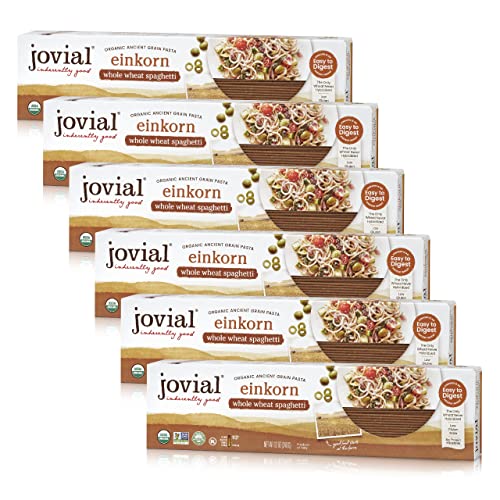
Jovial einkorn spaghetti | 100% organic whole grain pasta
Jovial
Budget
Monograno Felicetti Matt Spaghettoni Pasta
Monograno Felicetti
Budget
Fiber Gourmet Spaghetti Low Carb Pasta - Light Noodles (6 pack)
Fiber Gourmet
Budget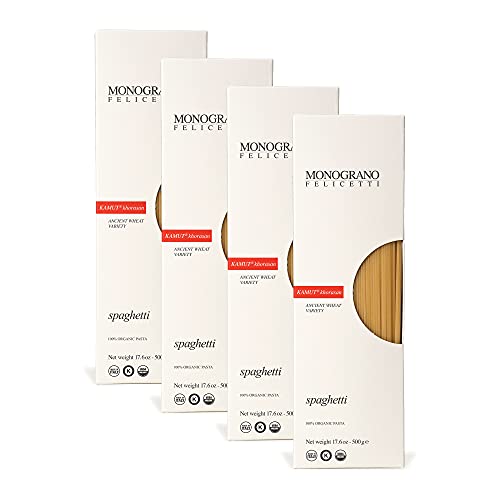
Kamut Spaghetti Pasta by Monograno Felicetti
Monograno Felicetti
Mid-RangeRoundups
Frequently Asked Questions
How do I choose a healthy spaghetti pasta for general wellness?
Look for whole-grain or legume-based spaghetti for higher fiber and protein, check the ingredient list for minimal additives (ideally just the grain and water), and compare serving-size nutrition facts for calories, fiber, protein, and sodium to match your dietary goals
What are the common healthy varieties of spaghetti and how do they differ?
Common healthy varieties include whole-wheat (higher fiber and a nuttier flavor), semolina/durum (traditional texture with lower fiber), and legume-based or ancient-grain blends (higher protein and different micronutrient profiles); each differs in texture, cooking time, and macronutrient content
Are there gluten-free spaghetti options that still offer good nutrition?
Yes—gluten-free spaghetti made from brown rice, corn, quinoa, or legumes can provide comparable calories and sometimes higher protein or fiber when made from lentils or chickpeas; check labels for added starches and for protein/fiber per serving to assess nutrition
How should I store spaghetti to maintain freshness and quality?
Store unopened dry spaghetti in a cool, dry place in its original packaging or an airtight container; after opening, keep it sealed to protect from moisture and pests—cooked spaghetti should be refrigerated in an airtight container and consumed within 3–5 days
What should I consider about cooking and portion sizes for healthy eating?
Use package directions for doneness but rinse only if using in cold salads; a typical dry portion is about 56–75 g (roughly 2 ounces) per person for a single meal—adjust based on activity level and pair with vegetables and a protein source to balance the plate
How do price and brand affect nutritional value in health-focused spaghetti?
Price and brand often reflect ingredients and processing—higher-priced items may use specialty grains, organic certification, or single-origin flours, but similar nutritional profiles can be found across price points by comparing ingredient lists and nutrition facts rather than brand alone
Are there certifications or labels I should look for when buying healthy spaghetti?
Useful labels include whole grain or 100% whole wheat, non-GMO, certified organic, and gluten-free certification for those with celiac disease; these labels help identify production practices and ingredient types but don’t replace reading the nutrition facts