Carving Knives
Carving knives in Kitchen & Dining include long-bladed knives designed for slicing roasts, poultry, and large cuts with thin, precise blades. The category (46 products, avg rating 4.67) spans budget to mid-range options (avg price (price varies)) and features brands like Dalstrong among others
Top Products
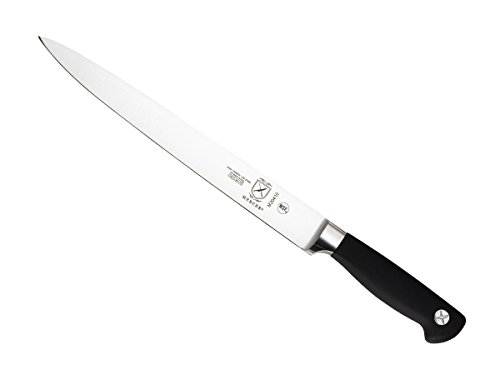
Mercer Genesis 10-Inch Carving Knife (M20410) - Black
Mercer Culinary
Mid-Range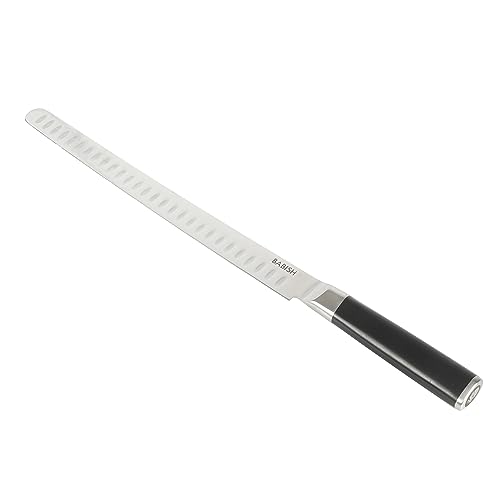
Babish high-carbon 12-inch carving knife
Babish
Budget
Victorinox 22 cm Swiss Classic Carving Knife in Blister Pack
Victorinox
Mid-Range
Cutluxe BBQ Carving Knife Set (12" knife & 10" honing rod)
Cutluxe
Mid-Range
Cutluxe 10" Butcher Carving Knife, Full Tang
Cutluxe
Mid-Range
Butcher breaking knife for meat cutting, 10.5 inch curved carving knife
SYOKAMI
Budget
Brisket Slicing Knife 12 Inch Carving Knife with Wood Handle
SYOKAMI
Mid-Range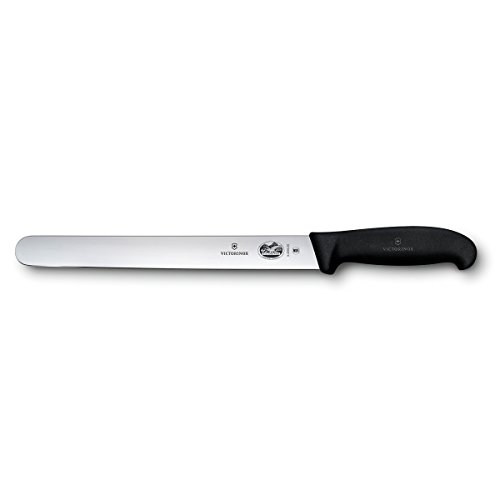
Victorinox Fibrox 10-Inch Slicing Knife with Round Tip
Victorinox
Mid-Range
Victorinox Fibrox 12-Inch Slicing Knife
Victorinox
Mid-Range
Paudin 12-inch carving knife with Granton blade
PAUDIN
Mid-Range
PAUDIN Brisket Knife - 12 Inch Carving Knife with Granton Edge
PAUDIN
Mid-Range
Bloomhouse 8 Inch German Steel Slicer Knife with Olive Wood Handle
bloomhouse
Mid-Range
Kyoku 8 Inch Carving Knife - Daimyo Series
KYOKU
Budget
SHAN ZU 12" Slicing Knife – Brisket Slicing Meat Carving Knife
SHAN ZU
Mid-Range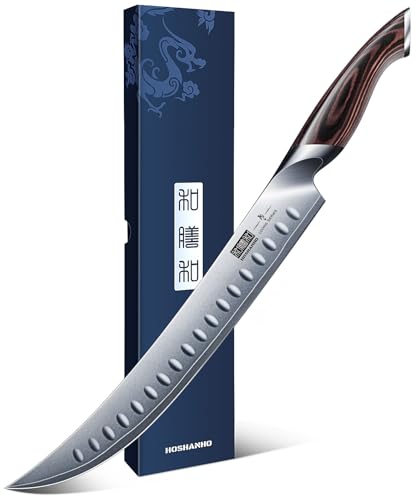
Carving Slicing Knife, 10-Inch Japanese High Carbon Steel with Pakkawood Handle
HOSHANHO
Budget
PAUDIN 8" Carving Knife & 7" Meat Fork Set, German Steel, Full Tang
PAUDIN
Mid-Range
12" carving knife with ergonomic handle
MOSFiATA
Budget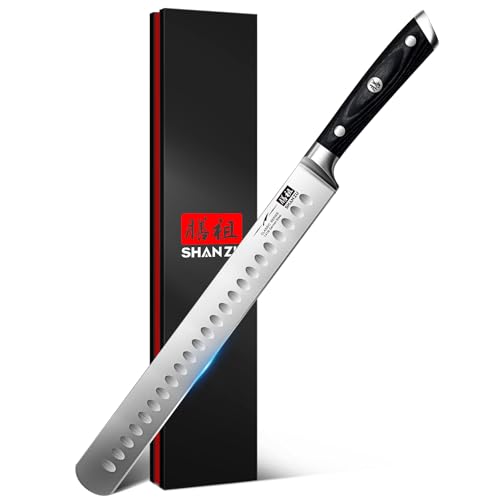
SHAN ZU 12" Brisket Slicing Knife with Wood Handle
SHAN ZU
Mid-Range
FINDKING 12 Inch Brisket Slicing Knife
FINDKING
Mid-Range
DRAGON RIOT 6" boning knife & 10" slicing knife set
DRAGON RIOT
Mid-Range
OUTDOOR EDGE ErgoMax Brisket Slicing Knife
OUTDOOR EDGE
Budget
ErgoMax Cleaver - Titanium-Coated Meat & Veggie Knife
OUTDOOR EDGE
Mid-Range
SHAN ZU 12 Inch Powder Steel Carving Knife
SHAN ZU
Mid-Range
Sunnecko 12 Inch Carving Knife
Sunnecko
Mid-RangeRoundups
Frequently Asked Questions
What is a carving knife and how does it differ from a chef's knife?
A carving knife is a long, narrow blade designed for slicing cooked meats and roasts into thin, even pieces; it typically has a thinner profile and longer length than a chef's knife, which is a multipurpose tool for chopping, dicing, and general prep
What blade length and edge type should I choose for carving different meats?
For large roasts, turkey, or prime rib choose a 9–12 inch blade for long, single-stroke slices; for ham or smaller cuts a 7–9 inch blade works well. A straight edge is common for most carving tasks, while a slightly flexible blade helps with delicate slicing and a granton/serrated edge can reduce sticking on fatty or moist meats
Which blade materials and hardness are best for longevity and ease of sharpening?
Stainless steel with a good balance of edge retention and corrosion resistance is common; high-carbon stainless and certain high-carbon steels hold an edge longer but may need more careful care. Look for steels with Rockwell hardness in the mid-to-high range (typically around HRC 55–62) for a durable edge that remains reasonably serviceable to sharpen at home
How much should I expect to spend and what are typical options by budget?
Budget carving knives can be found under $50 with adequate basic performance; mid-range options commonly fall in the $50–$150 range and often offer better steel and fit-and-finish; higher-end specialty blades can exceed that for premium steels, craftsmanship, or brand reputation
How do I maintain and sharpen a carving knife to keep it performing well?
Hand-wash and dry immediately to prevent corrosion and avoid the dishwasher; hone regularly with a honing rod to realign the edge and sharpen with a whetstone or guided sharpener as needed when rolling or dullness occurs. Store in a sheath, magnetic strip, or knife block to protect the edge
Should I choose a fixed blade or a carving set with a fork, and when is each useful?
A single carving knife is sufficient for everyday slicing, while a carving set that includes a fork provides extra control for stabilizing meat and can be more convenient for serving at the table or during large gatherings
What safety features or handle materials should I look for?
Look for a comfortable, non-slip handle profile with a secure tang (full or partial) and a finger guard or bolster to reduce slippage; common durable handle materials include stabilized wood, composite, and polymer