Santoku Knives
Santoku knives for Kitchen & Dining include multi-purpose Japanese-style blades suited for slicing, dicing, and chopping, with 59 products indexed and an average rating of 4.64. Prices span about $34 to $600 (avg $80), covering budget through premium options; top brands include KYOCERA and HENCKELS
Top Products

Mercer Culinary Genesis 7-Inch Santoku Knife
Mercer Culinary
Mid-Range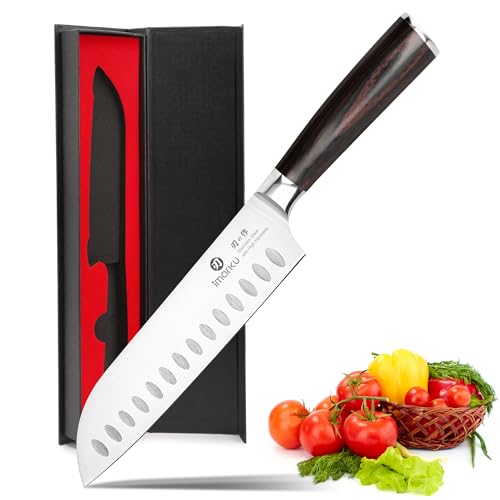
Imarku 7 Inch Santoku Knife
imarku
Mid-Range
Santoku Knife, 7 inch with ergonomic pakkawood handle
imarku
Mid-Range
Imarku 7-inch Santoku Knife with Pakkawood Handle
imarku
Mid-Range
Santoku Knife 5 inch – imarku Japanese Chef Knife with pakkawood handle
imarku
Mid-Range
PAUDIN 7-Inch Santoku Knife with ergonomic handle
PAUDIN
Mid-Range
Victorinox 7 Inch Santoku Knife with Granton Blade
Victorinox
Mid-Range
Cutluxe 7" Santoku Knife – forged high carbon German steel
Cutluxe
Mid-Range
Tramontina Pro Series Forged 5-Inch Santoku Knife
Tramontina
Mid-Range
Tramontina 7-Inch Forged Santoku Knife
Tramontina
Mid-Range
HENCKELS 5 Inch Forged Santoku Knife
HENCKELS
Budget
Sunnecko 7 Inch Santoku Knife with Wood Handle
Sunnecko
Mid-Range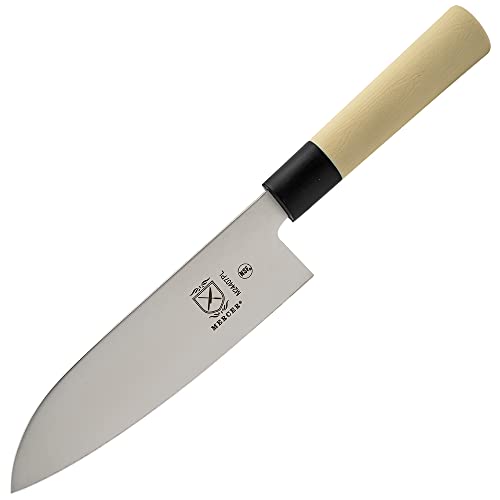
Mercer Culinary Asian Collection Santoku Knife, 7-Inch
Mercer Culinary
Mid-Range
Cutluxe Santoku Knife Set with 7" and 5" blades
Cutluxe
Mid-Range
Bloomhouse 7 Inch German Steel Santoku Knife with Olive Wood Handle
bloomhouse
Mid-Range
Henckels Forged Premio 5" Santoku Knife
HENCKELS
Mid-Range
Cutluxe 3-Piece Japanese Knife Set, 8in Chef, 7in Santoku, 5in Utility
Cutluxe
Mid-Range
PAUDIN Santoku Knife 5 inch Ultra Sharp Chef Knife with Sheath
PAUDIN
Mid-Range
SHAN ZU 7-inch Powder Steel Santoku Knife
SHAN ZU
Mid-Range
Gourmet 5" Hollow Edge Santoku Knife
Wusthof
Mid-Range
KEEMAKE 7-Inch Santoku Knife with Pakkawood Handle
KEEMAKE
Budget
PAUDIN 7 Inch Santoku Knife with Ergonomic Handle
PAUDIN
Mid-Range
Henckels 2-pc Santoku Knife Set, 5" and 7"
HENCKELS
Mid-Range
MAD SHARK 8 Inch Santoku Knife - Japanese Kitchen Knife
MAD SHARK
Mid-RangeRoundups
- Best Santoku Knives for Slicing Vegetables (2026)
- Best Santoku Knives for Bread Slicing (2026)
- Best Santoku Knives for Vegetable Chopping (2026)
- Best Santoku Knives for Meat Slicing (2026)
- Best Santoku Knives for Mincing Herbs (2026)
- Best Santoku Knives Under $200 (2026)
- Best Santoku Knives Under $100 (2026)
- Best Santoku Knives Under $50 (2026)
- Best Santoku Knives (2026 Guide)
Frequently Asked Questions
What is a santoku knife and how does it differ from a chef's knife?
A santoku is a Japanese-style all-purpose kitchen knife with a shorter, flatter blade and a sheepsfoot tip, optimized for slicing, dicing, and chopping. Compared with a Western chef's knife, it typically has a straighter edge, less pronounced belly for rocking, and often features Granton (hollow) edges to reduce sticking
What blade material should I look for in a santoku knife?
Common materials include stainless steel for corrosion resistance and easier maintenance, and high-carbon or powdered steel for longer edge retention and sharper edges; high-carbon steels may require more care to avoid rust. Look for steels that balance hardness (for edge retention) with toughness (to resist chipping) and consider whether you prefer low-maintenance stainless or higher-performance carbon alloys
How should I choose the right size and handle for my santoku?
Santoku blades commonly range from about 5 to 8 inches; 6 to 7 inches is a versatile middle ground for most home cooks. Choose a handle that feels secure and balanced in your hand—materials include wood, composite, and polymer—and consider full tang construction for better balance and durability
Are santoku knives suitable for home cooks who chop bones or hard foods?
No, santoku knives are not designed for heavy tasks like chopping through bones or frozen items; they are best for vegetables, boneless meats, and fish. For heavy-duty chopping use a cleaver or thicker Western-style knife to avoid damaging the edge or blade
How do I sharpen and maintain a santoku knife?
Sharpen using a whetstone for best results, maintaining the manufacturer's recommended angle (often 15–20 degrees per side); ceramic or diamond hones can be used for touch-ups. Hand wash and dry immediately, avoid dishwashers and hard cutting surfaces, and store in a block, magnetic strip, or sheath to protect the edge
What features affect price and which price range is typical for santoku knives?
Price is influenced by blade steel, manufacturing method (forged vs. stamped), handle materials, and brand reputation. Entry-level santokus can be found under $50, mid-range models cluster around the average of about (price varies), and higher-end specialty knives cost more depending on steel and craftsmanship
Should I buy a santoku with hollow/Grantons (dimples) or a plain edge?
Grantons (dimples) create air pockets that help reduce food sticking to the blade, which is useful for slicing moist or sticky items; plain edges provide slightly more contact and can be easier to sharpen evenly. Choice depends on preference and the types of food you commonly slice