Usuba & Nakiri Knives
Usuba and nakiri knives are Japanese-style vegetable knives designed for precise, straight cuts and thin slicing, commonly used in professional and home kitchens. This category includes 15 indexed products with an average rating of 4.74 and mid-range pricing (about $33–$149, avg $67); brands include HOSHANHO and HexClad
Top Products

MOSFiATA Nakiri Knife with Finger Guard, EN1.4116 stainless steel
MOSFiATA
Mid-Range
KEEMAKE 7-Inch Nakiri Knife with Pakkawood Handle
KEEMAKE
Budget
PAUDIN 7" Nakiri Knife – Razor Sharp Multi-Purpose Kitchen Knife
PAUDIN
Mid-Range
Nakiri Chef Knife 7.2 Inch Japanese Style Veggie Knife
SYOKAMI
Budget
7'' Nakiri Knife - Japanese High-Carbon Steel Kitchen Knife
XCHIEF PRO
Budget
Sunnecko 7-inch Nakiri Knife with Pakkawood Handle
Sunnecko
Budget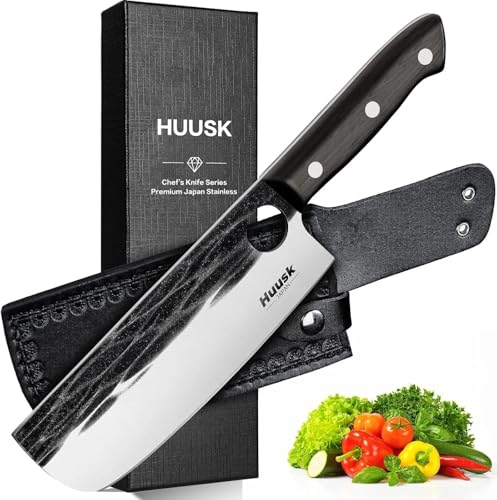
Huusk Nakiri Knife 7 Inch - Japanese Veggie Knife with Ebony Handle
Huusk
Mid-Range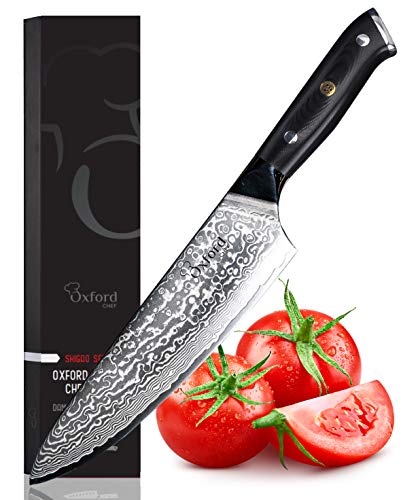
Oxford CHEF 8-inch Damascus Chef Knife
Oxford CHEF
Premium
Hoshanho Damascus Nakiri Knife 6.5 Inch with Olive Wood Handle
HOSHANHO
Mid-Range
7 Inch Nakiri Knife with ergonomic handle
HOSHANHO
Mid-Range
Tivoli Damascus Nakiri Knife 6.5 Inch with Olive Wood Handle
TIVOLI
Mid-Range
7 Inch Nakiri Knife with ergonomic handle
HOSHANHO
Mid-Range
HexClad Nakiri Knife 6.5-Inch Japanese Damascus Blade
HexClad
Premium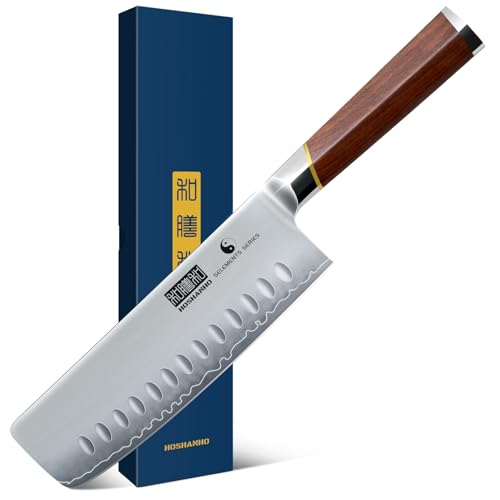
Nakiri Knife 7 Inch with Red Sandal Wood Handle
HOSHANHO
Mid-Range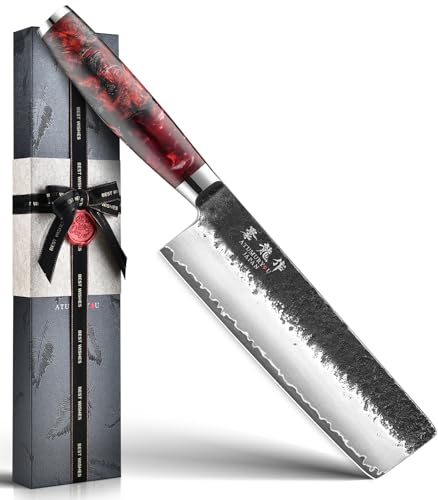
Japanese Nakiri Knife 7 Inch Hand-Forged VG10 Chef Knife
Atumuryou JPCK
PremiumRoundups
- Best Usuba & Nakiri Knives for Gift For Cooking Enthusiasts (2026)
- Best Usuba & Nakiri Knives for Salad Preparation (2026)
- Best Usuba & Nakiri Knives for Meat Slicing (2026)
- Best Usuba & Nakiri Knives for Vegetable Prep (2026)
- Best Usuba & Nakiri Knives for Daily Kitchen Prep (2026)
- Best Usuba & Nakiri Knives Under $200 (2026)
- Best Usuba & Nakiri Knives Under $100 (2026)
- Best Usuba & Nakiri Knives Under $50 (2026)
- Best Usuba & Nakiri Knives (2026 Guide)
Frequently Asked Questions
What is the difference between an usuba and a nakiri knife?
An usuba is a traditional single-bevel Japanese vegetable knife with a thinner, sharper edge suited for precision cuts and push-cutting; a nakiri is double-bevel, more symmetric and easier to use for most home cooks, offering straight vertical cuts and simpler maintenance
How should I choose the blade material and hardness for vegetable knives?
Look for high-carbon stainless or carbon steel for sharpness and edge retention; harder steels (higher Rockwell number) hold an edge longer but can be more brittle and harder to sharpen, while softer stainless steels are tougher and resist corrosion but require more frequent honing
What blade length and profile are best for home cooks?
Blade lengths from 165 mm to 180 mm (about 6.5–7 inches) balance control and cutting surface for most kitchens; choose a wider, flatter profile for easy push-cutting and scooping vegetables, and a slightly longer blade if you frequently process large produce
How do I maintain and sharpen an usuba or nakiri?
Regularly hone with a fine ceramic rod between uses, keep blades dry and oil carbon steel to prevent rust, and use a whetstone for sharpening—single-bevel usuba require angle-specific sharpening on the primary side and a light touch on the back, while double-bevel nakiri are sharpened evenly on both sides
Are these knives suitable for beginner home cooks?
Nakiri knives are well-suited to beginners because their double-bevel edge is forgiving and easy to sharpen; usuba knives demand more skill and maintenance due to the single-bevel profile but offer superior precision for experienced users
Can I use an usuba or nakiri for tasks other than vegetables?
They are optimized for vegetables and delicate slicing; you can do light tasks like trimming herbs or slicing boneless fish, but avoid cutting bones, frozen food, or hard roots that can chip the thin edge