Fillet Knives
Fillet knives for kitchen and dining use include flexible, thin-bladed tools designed for filleting fish and delicate deboning; offerings span budget through premium options. The category averages a 4.67 rating across 18 indexed products (average price about (price varies)) and features brands such as HOSHANHO and Wusthof
Top Products

HOSHANHO 7 Inch Fillet Knife – Boning Knife in High Carbon Stainless
HOSHANHO
Mid-Range
DDF iohEF Fillet Knife 7 Inch Professional Boning Knife
DDF iohEF
Mid-Range
PAUDIN 7 Inch Fillet Knife with G10 handle
PAUDIN
Mid-Range
Fillet Knife 7 Inch - German Stainless Steel Boning Knife
SHAN ZU
Mid-Range
Fillet Knife 7.2 inch boning knife with high flex stainless steel
SYOKAMI
Budget
Dalstrong 6" Fillet Knife Gladiator Series Elite
Dalstrong
Mid-Range
Fillet knife for fish & meat, 7" razor-sharp blade
Cutluxe
Mid-Range
SHAN ZU 7 inch fillet knife with laminated high carbon steel
SHAN ZU
Mid-Range
Huusk Fish Fillet Knife with Sheath, 7 Inch Boning Knife
Huusk
Budget
YOTSUBA 7" Fillet Knife with Rosewood Handle
YOTSUBA
Mid-Range
Dalstrong 7 inch Fillet Knife | Gladiator Series Elite
Dalstrong
Premium
Fillet Knife 7 Inch with Wood Handle
HOSHANHO
Mid-Range
Fillet Knife 7 Inch – Japanese high carbon powder steel boning knife
HOSHANHO
Mid-Range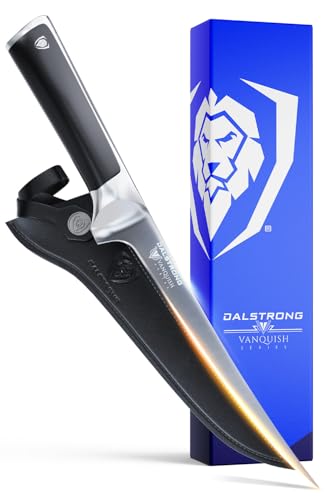
Dalstrong 7 inch Fillet Knife - Vanquish Series
Dalstrong
Premium
Fillet Knife 7 Inch with Japanese steel – Boning & Filleting
HOSHANHO
Mid-Range
Huusk 7-Inch Flexible Fillet Knife with Wood Handle
Huusk
Budget
Wusthof Classic 7" Fillet Knife & 2-Stage Sharpener
Wusthof
Premium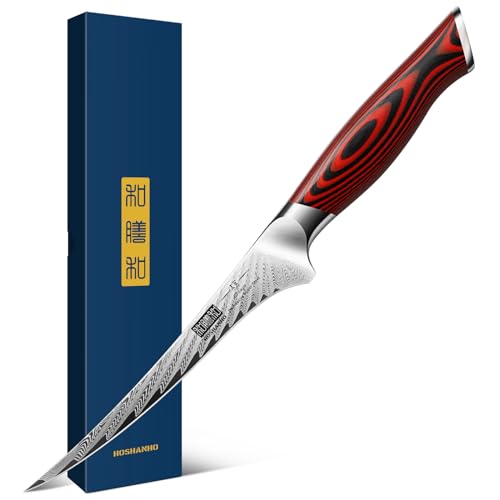
Fillet Knife 7 Inch with Damascus Steel core
HOSHANHO
Mid-RangeRoundups
Frequently Asked Questions
How do I choose the right fillet knife length and flexibility?
Choose a blade length based on the size of fish you typically prepare: 6–8 inches works for small to medium fish, while 9–11 inches suits larger fish. Flexibility matters for contouring—more flexible blades provide better control for thin, delicate fillets; stiffer blades are better for tougher, larger fish or for making precise cuts near bones
What blade materials and edge types should I look for?
Look for high-carbon stainless steel or corrosion-resistant stainless blends for a balance of sharpness retention and rust resistance. A fine, straight edge with a thin distal taper enables smoother slicing; some knives also offer partial serration but plain edges are most common for clean fillets
How important is handle design and what materials are best?
Handle ergonomics affect grip and safety—choose contoured, non-slip handles for wet conditions. Common materials include thermoplastic, rubberized composites, and treated wood; opt for a full, secure grip and a finger guard or bolster to reduce slippage
Can I use a fillet knife for other tasks in the kitchen?
Fillet knives excel at boning and thin, precise slicing of fish and delicate meats; they can also be used for trimming fat or removing skin, but they are not ideal for heavy-duty chopping, cutting through bones, or general-purpose chef tasks due to their thin, flexible blades
What care and maintenance do fillet knives need to stay sharp and rust-free?
Hand-wash, dry immediately, and store in a sheath or knife block to prevent corrosion and edge damage. Regularly hone with a ceramic or leather strop and sharpen with a fine whetstone or guided sharpener as needed; avoid dishwashers and abrasive cleaners
How do price and brand affect fillet knife quality?
Price correlates with materials, heat treatment, and fit-and-finish—budget options under $50 cover basic needs, while mid-range and premium knives typically offer better steel, sharper factory edges, and more durable handles. Established knife makers often deliver more consistent quality and warranty support
What safety tips should I follow when filleting fish?
Work on a stable, non-slip cutting surface, keep the blade sharp (dull knives slip more easily), cut away from your body, and use a towel or non-slip mat to steady the fish. Wear a cut-resistant glove on the hand holding the fish if you need extra protection